A Creative's Ode to Analogue Handwriting
Alison Carmichael is a handlettering artist whose work explores the expressive power of letterforms. Here, she reflects on her lifelong collection of handwritten ephemera, the emotional weight of a card received in the post, and why - in an increasingly digital world - the analogue mark still matters.
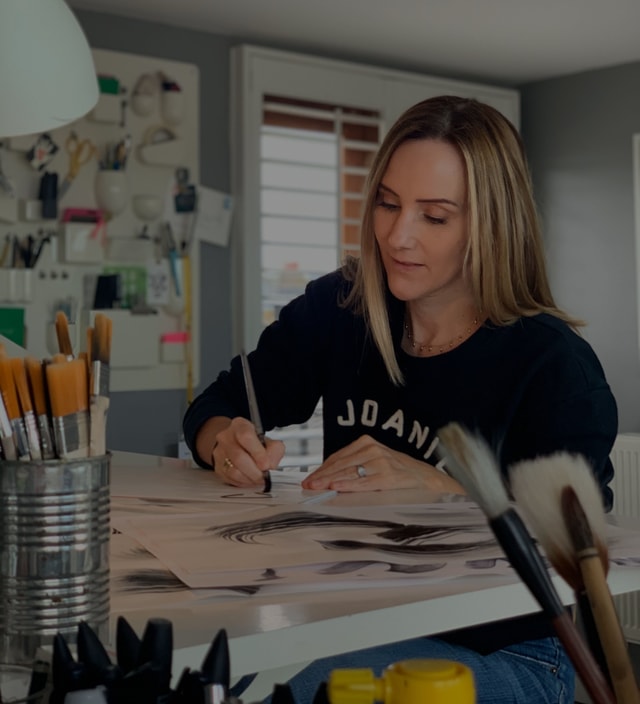
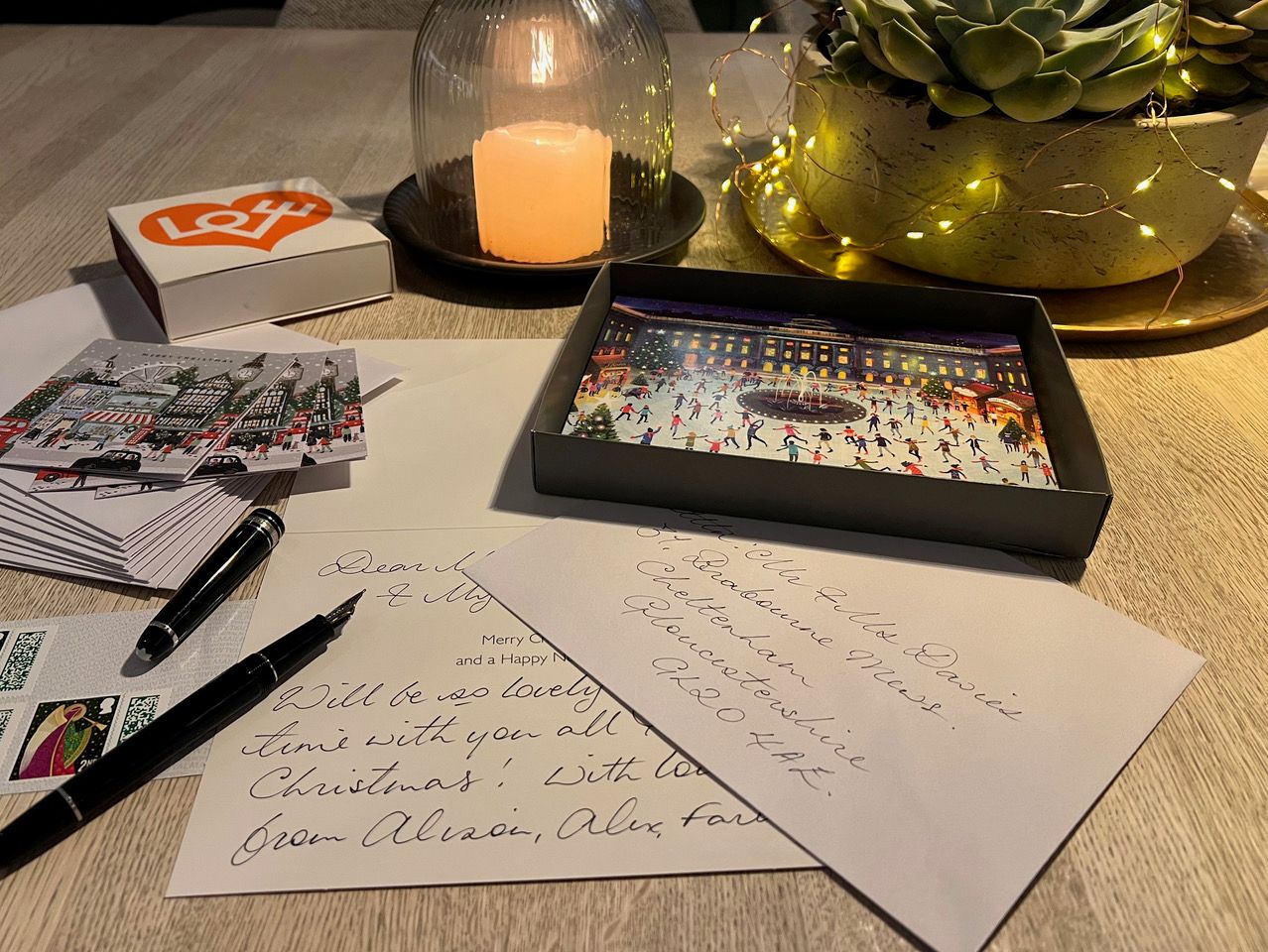
As a creative whose work revolves around letterforms and handwriting, I’ve always been drawn to analogue rituals. I used to love the ceremony of writing Christmas cards. For me, it marked the official start of my personal countdown to Christmas. I’d hand-print my own cards, light a festive candle, crack open the Quality Street, and set up a small tabletop production line.
But after Covid, a cynicism crept in. I convinced myself that abandoning the tradition would save time, money, and effort… that I’d feel relieved.
Then something unexpected happened.
My first Christmas card arrived in the post.
Then another… and another.
And with every handwritten card that landed on the doormat, I felt a pang of guilt for having not sent one back, and a real sense of regret that I hadn’t given someone else that same fuzzy, festive feeling.
It made me consider what it is about handwriting that matters, not just personally but creatively.
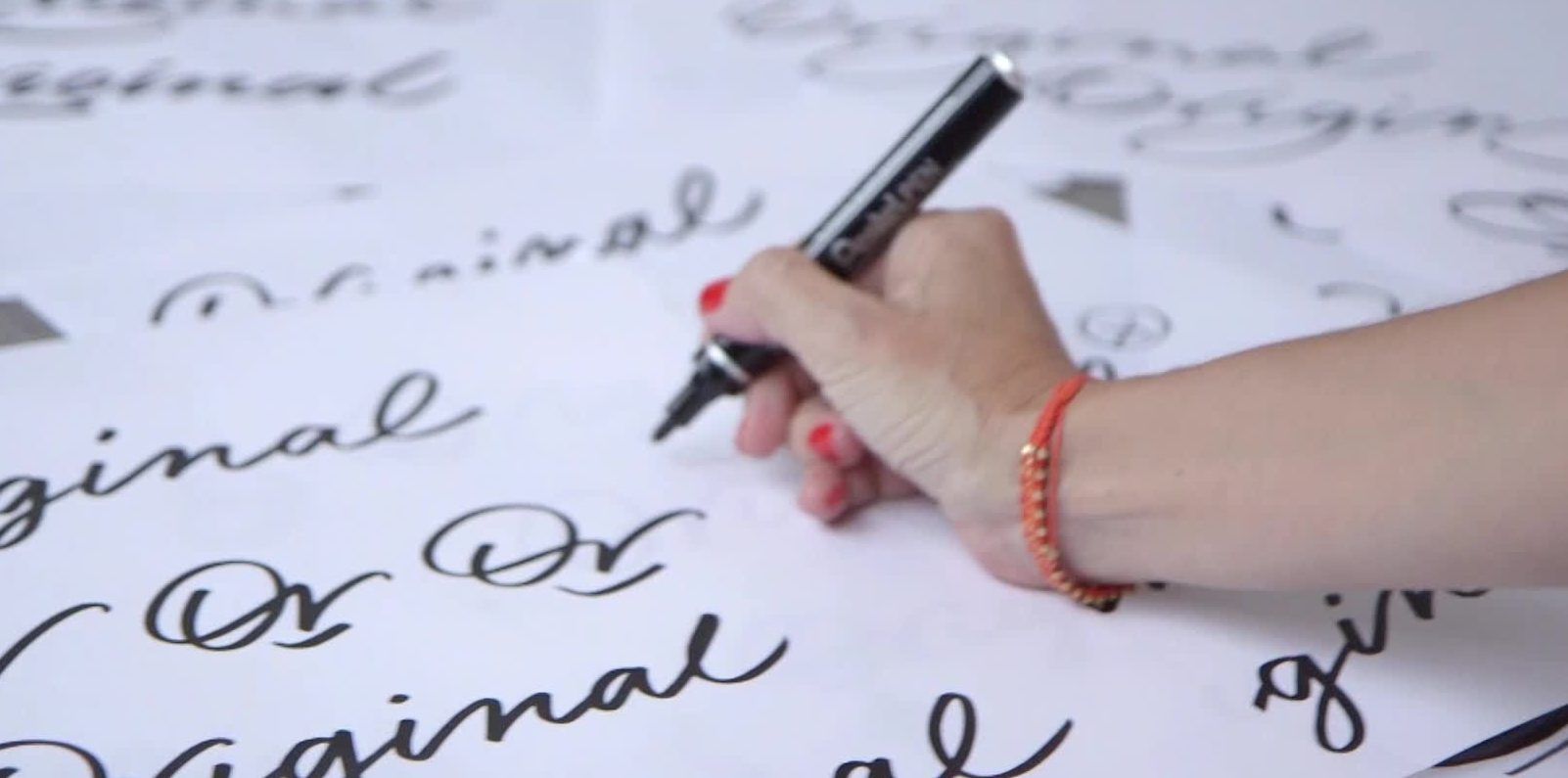
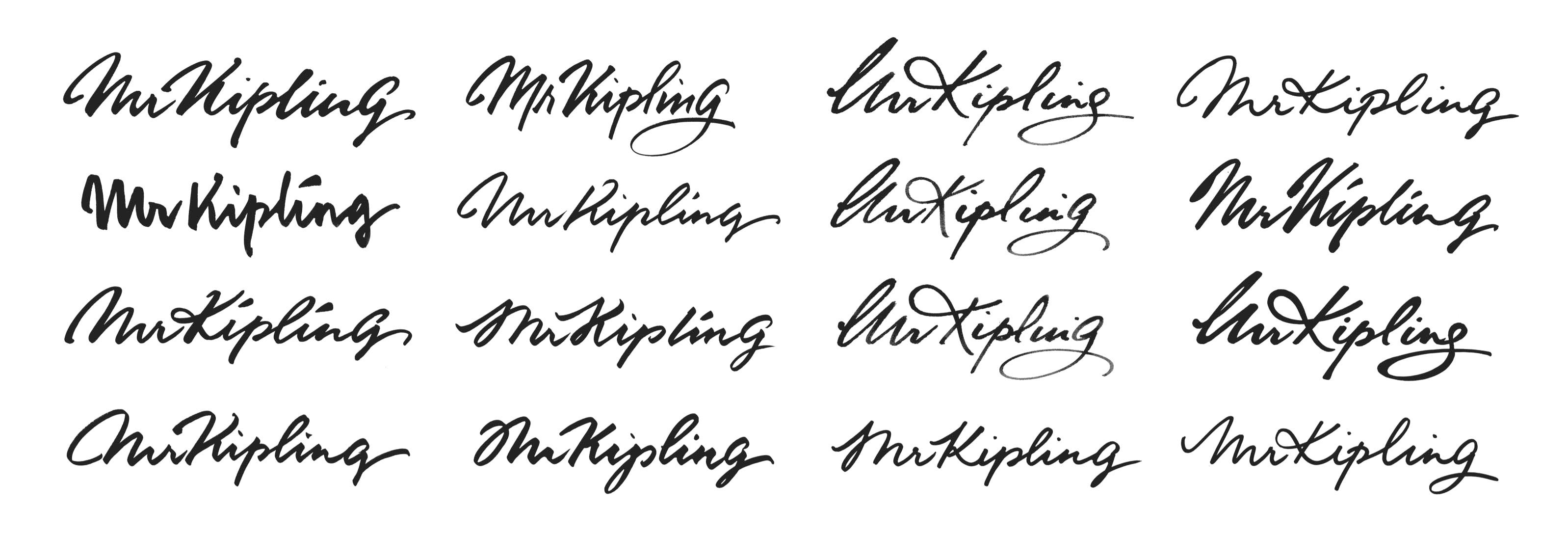
I have a habit of collecting handwritten ephemera - letters, Post-it notes, shopping lists, you name it - to use as inspiration for handwriting styles in my work. I’m not interested in ‘good’ or ‘bad’ handwriting, it’s the individuality that matters. The loops, hesitations, pressure changes and imperfections. How incredibly unique each stroke is. If you have ever sent me a handwritten note and have distinctive handwriting, then there is a fair chance it has ended up safely archived.
That archive started as something more sentimental than professional. I began keeping handwriting as a way of holding on to people - the idea that a handwritten note could one day become an unexpected emotional bridge to someone who might no longer be here. In my father’s case, after he had a stroke earlier this year, he’s no longer able to write as his hand won’t allow it. While his handwriting was nothing particularly special (sorry, Dad), it’s only now that I’m truly grateful I kept a decent sample of it from earlier years.
My grandfather, by contrast, had beautiful handwriting and wrote to me often when I was a teenager, usually sharing bits of life advice. Long after his death, those letters have become treasured keepsakes. They feel like a very personal, tangible connection to him, his voice living on through his handwriting. I go back to them often, noticing the slight shakiness of his older hand and the familiar blue-black ink from his well-used fountain pen. This is the power of handwriting.
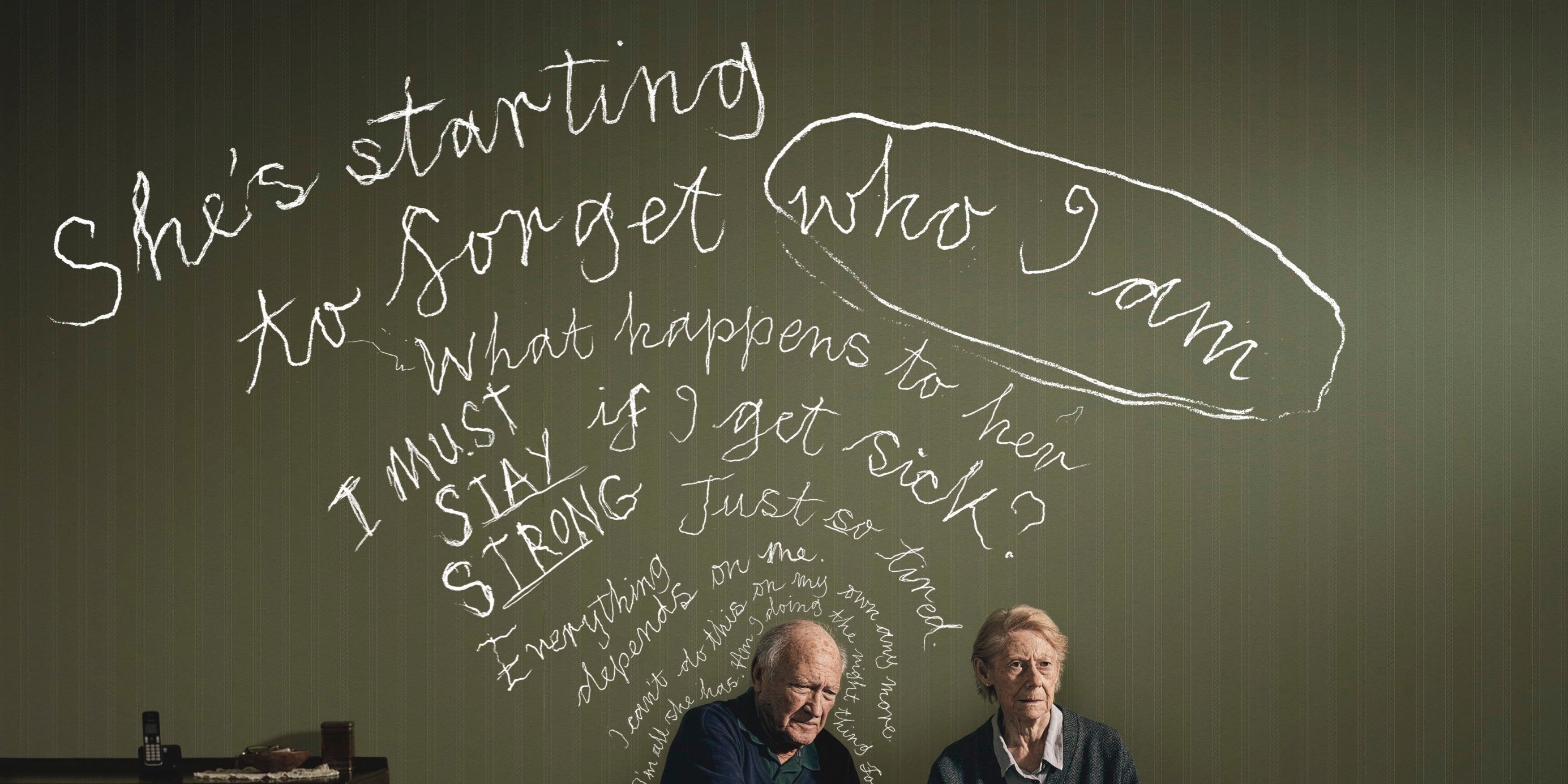
A handwritten card carries intention, care, and affection for the recipient. It shows that someone paused their day, picked up a pen, and created something just for you. That analogue physicality makes the message feel warmer and more meaningful in a way that digital communication can’t match. Quite simply, it feels like a long-distance hug. An antidote to digital fatigue and a throwback to nostalgic times past.
So this year, despite the eye watering cost of postage stamps in 2025, I bought a box of inexpensive cards (not quite ready to hand-print my own again) and spent a couple of evenings writing personal messages to all my family and friends. My handwriting definitely deteriorated over the course of the evenings but I hope the intention came through!
If nostalgia is drawing us back to analogue traditions, perhaps it isn’t about longing for the past at all. As a creative, I see it as a conscious choice to value human marks, imperfect gestures, and choosing to give time to making something with real connection. And if that means handwriting a few slightly wonky Christmas cards each December, I’m entirely on board.
Alison Carmichael is a handlettering artist on the Jelly roster, known for her expressive, analogue-first approach to type and lettering. View Alison's work here.