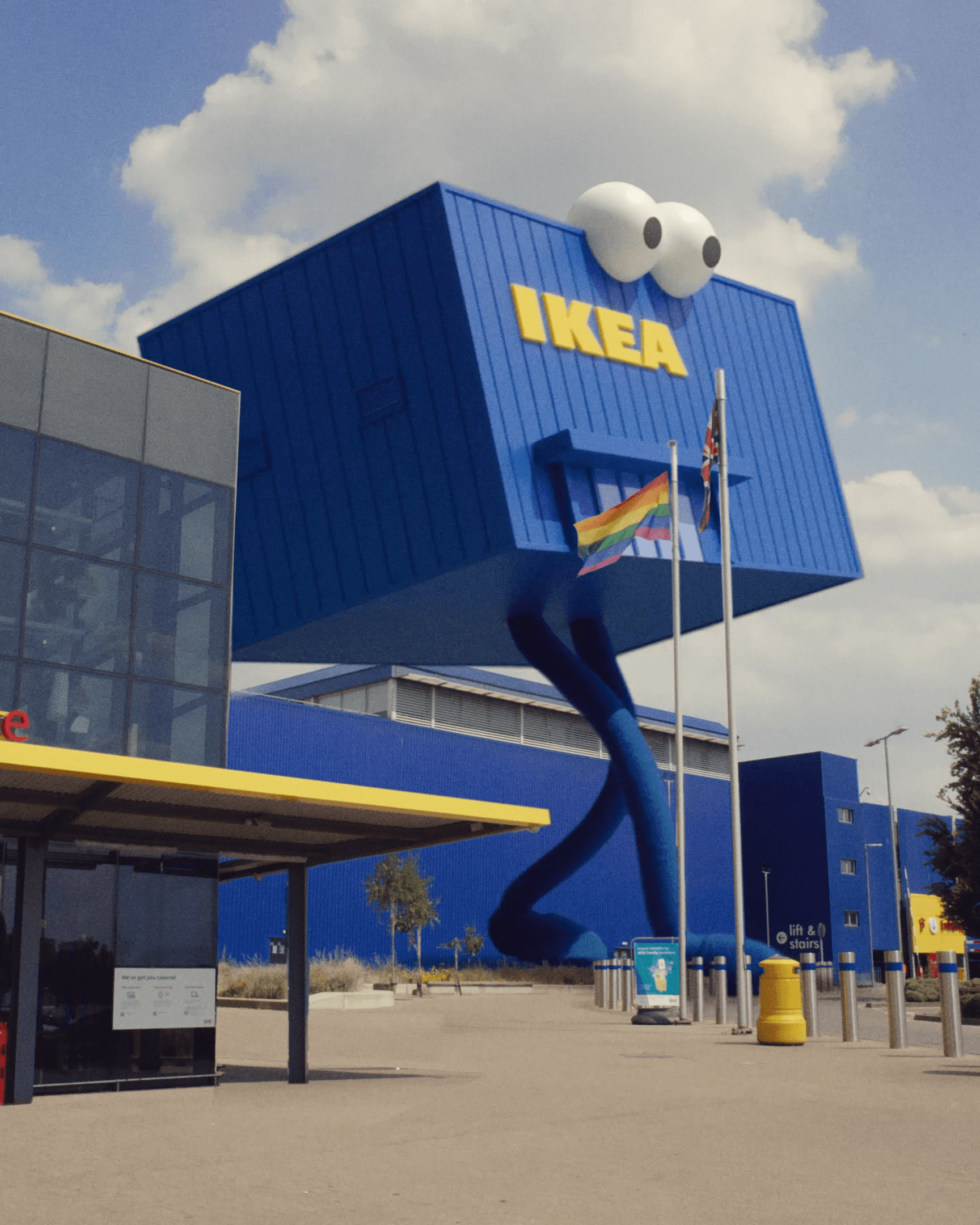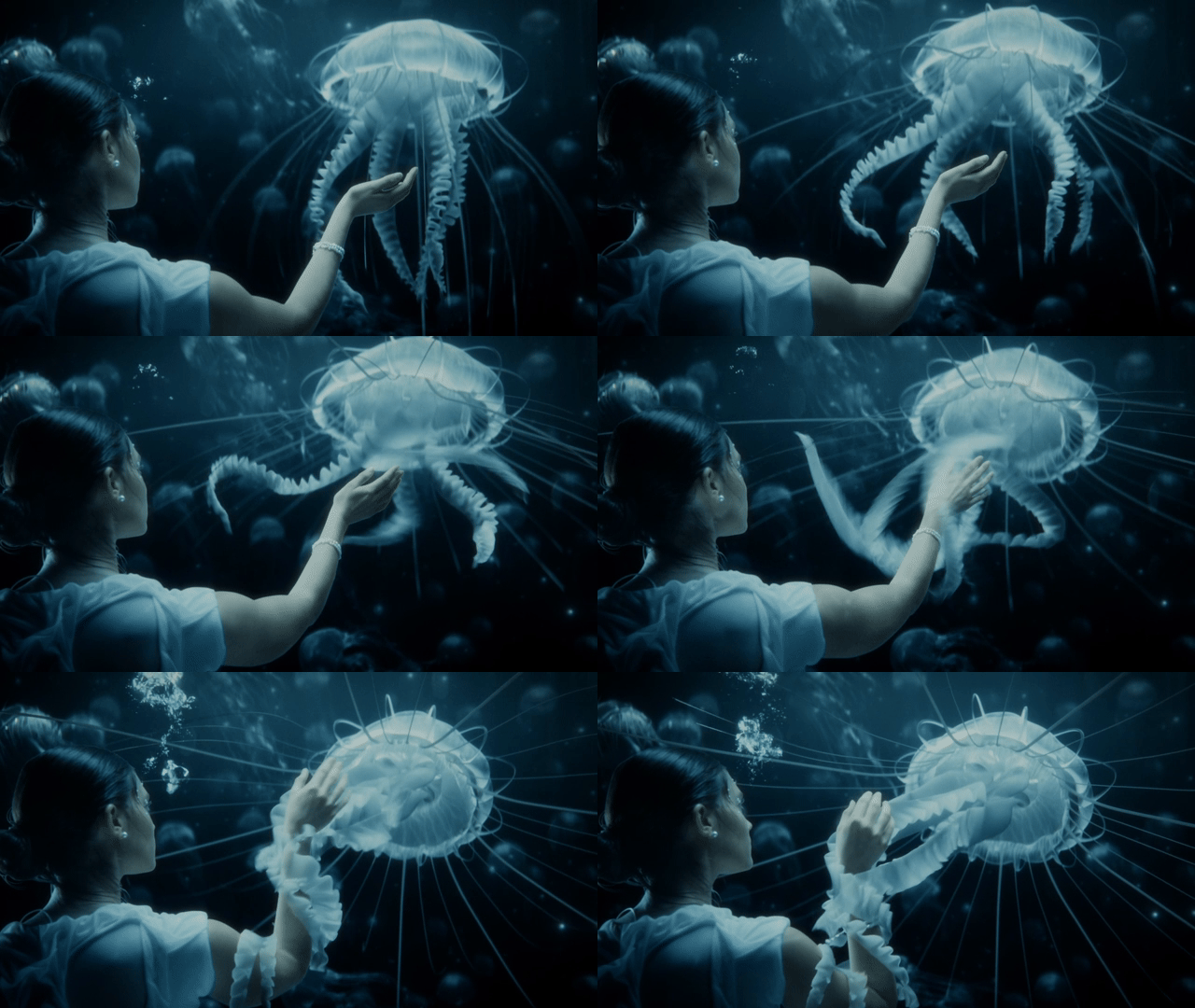
Corey Langelotti on creativity, restraint and still getting the feels
Corey Langelotti is a director who believes restraint cuts through when the world is demanding more, and he's spent his career proving that knowing how to do everything means knowing exactly when to do less. Here, he talks about the poetry of giving a shit, finding your people in the chaos, and why technical fluency can be a double edged sword.
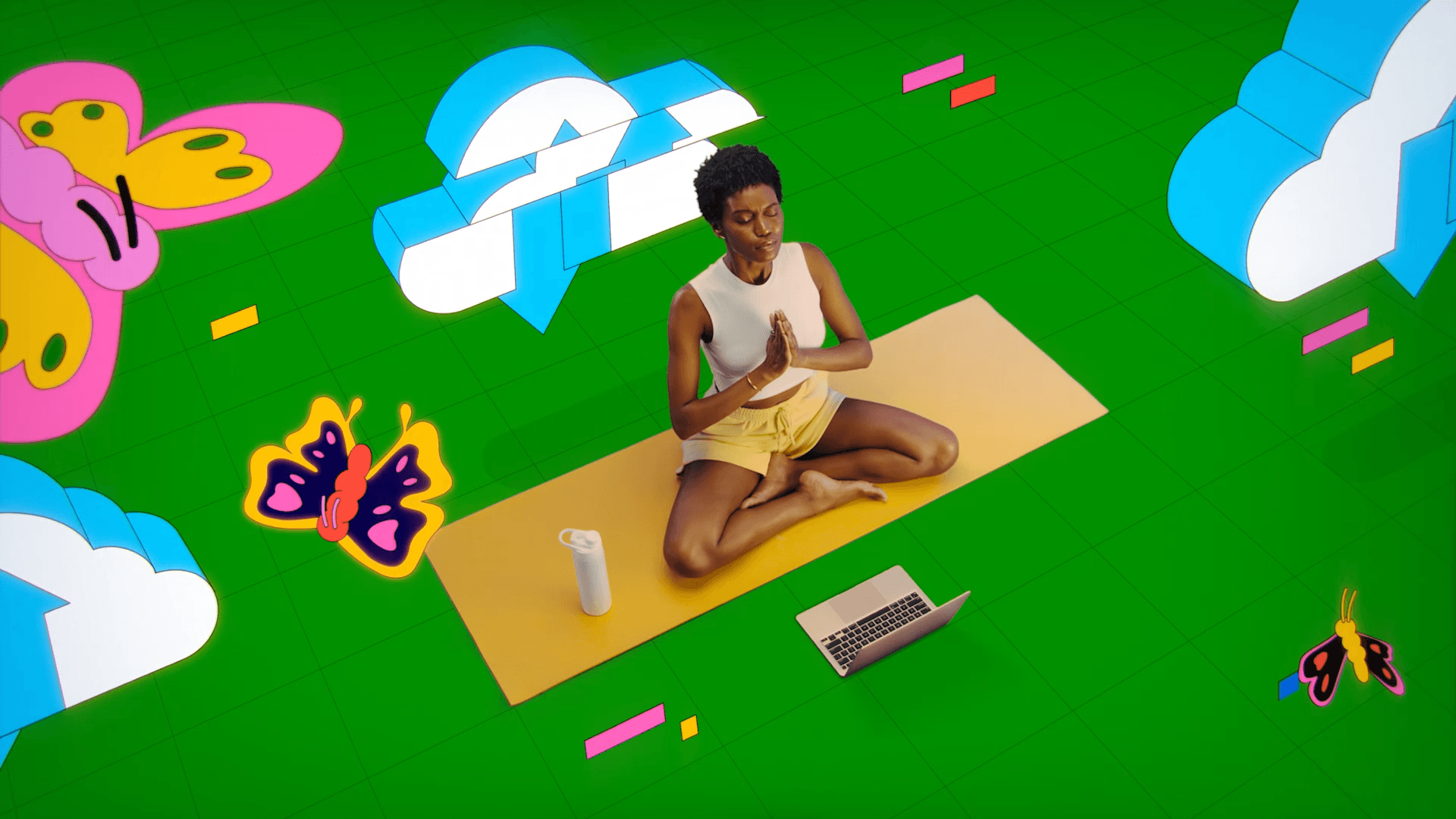
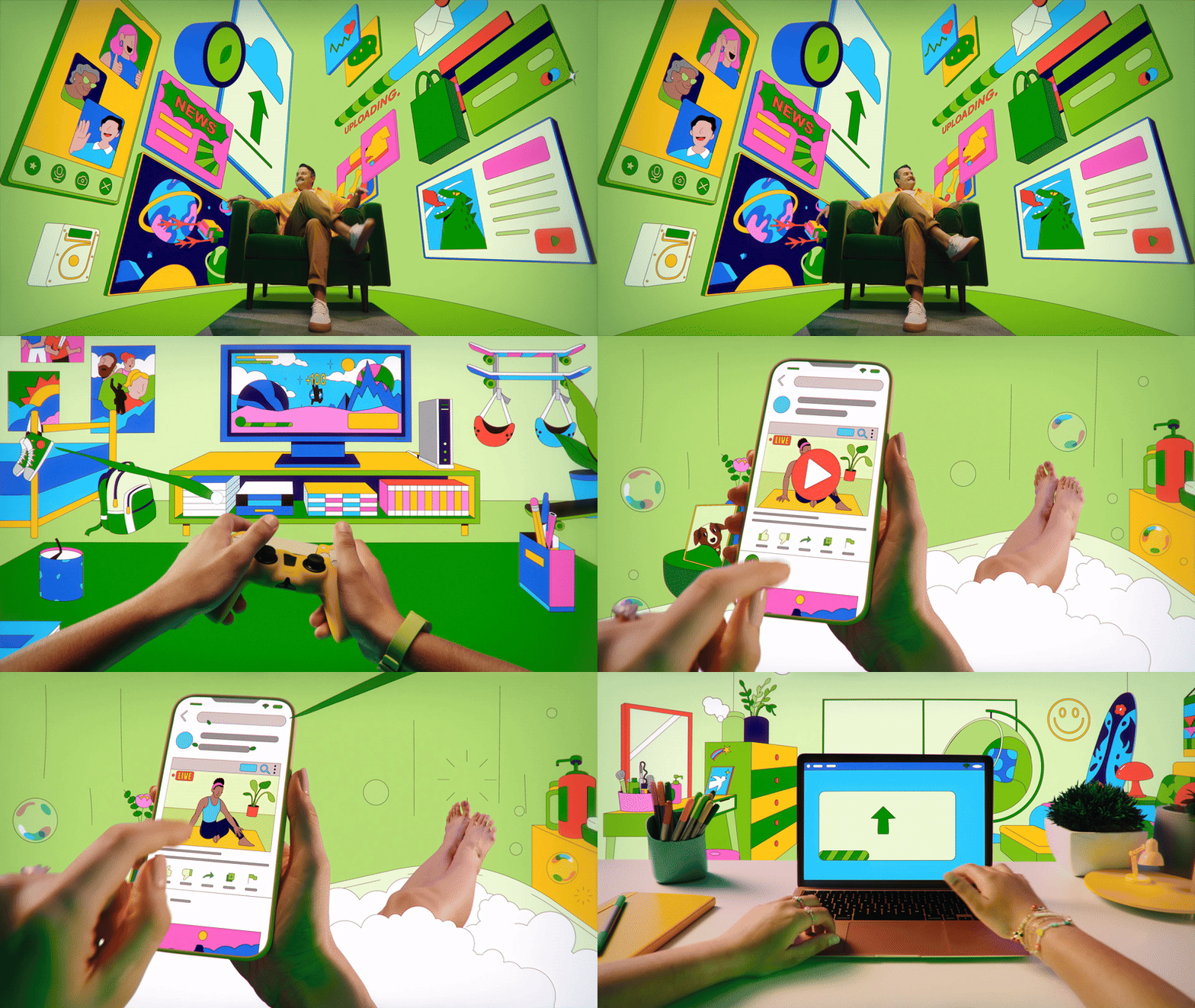
[Above: Ziply 'Love Your Internet' | Dir: Corey Langelotti & Sarah Beth Morgan at Hornet]
There’s a disarming honesty to the way Corey talks about his career, his work, and his process. He’s an open book. Passionate, creative, technically astute and highly observant.
His favourite projects are some of the earlier ones he worked on that he had a huge hand in and that “didn’t feel like work” because of the joy he felt while contributing: The photo-real, VFX-heavy ‘Thomas’ for Dell and ‘Rule Yourself’ that sees an army of athletes training in unison for Under Armour. The common threads that connect them are the sheer scale and technicality of the VFX, and the magical, emotive feelings they stir up. “The spot for Under Armour is absolute poetry about the power of giving a shit, showing up everyday and being the sum of all your efforts,” says Corey. “It still gives me the feels.”
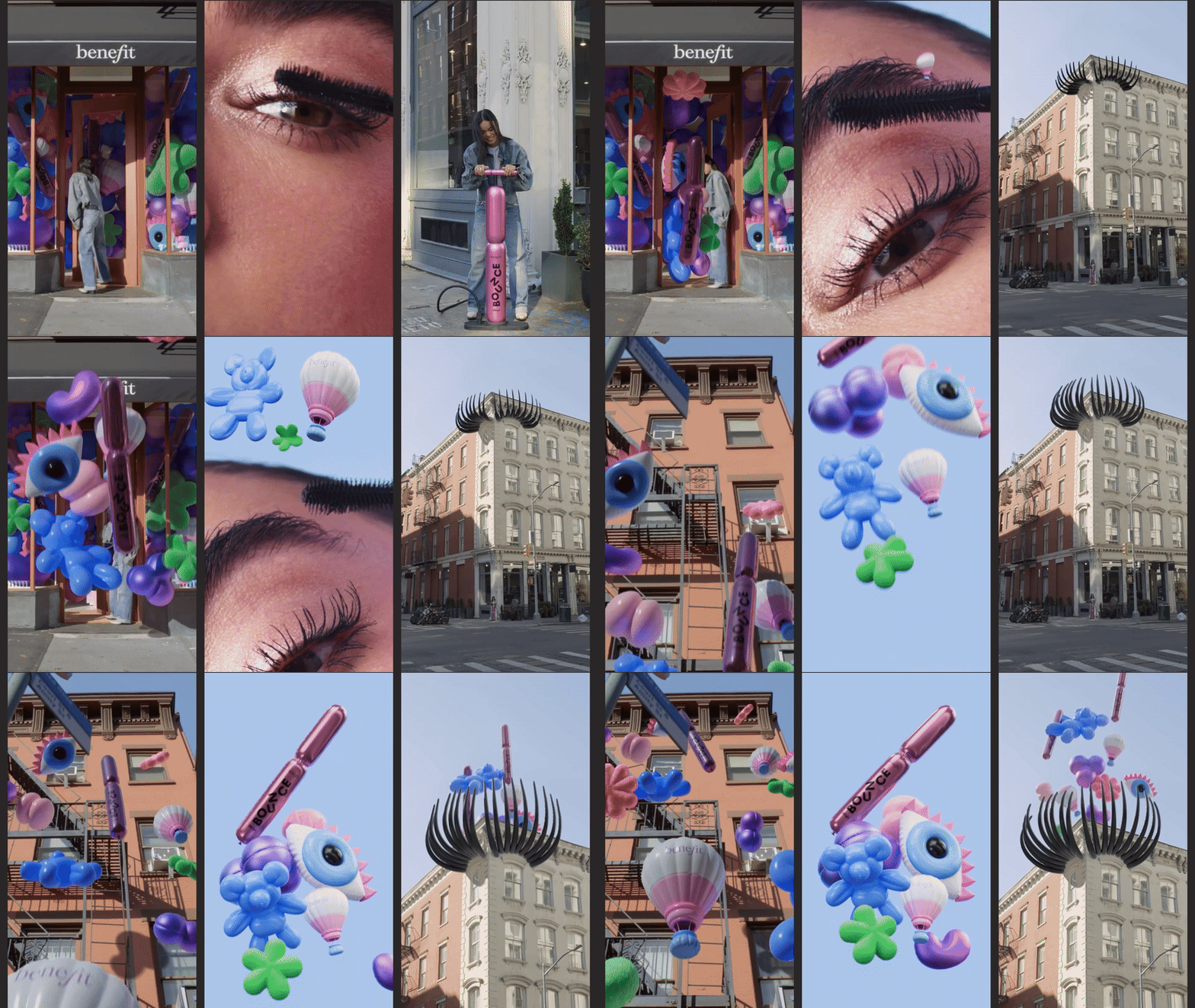
"I have a very romantic view of creativity."
Corey’s favourite stories are deeply moving, nuanced and powerful - much like his work. His approach to storytelling is about simplicity, letting body language and what happens ‘in-between’ do the talking. “I’m always looking for a moment to convey emotions in a beautifully cinematic way,” he says. “Where a subtle nervous look tells you everything a character is thinking, or the simple hesitation of answering a phone call shows you who to fear in a story.” For Corey, it is restraint that elevates visuals and storytelling. “When everyone wants more and more, more dynamism, more layers, it is restraint that cuts through.”
His intuitive way of working with characters and real people is down to his observational nature. Naturally curious, he says he likes knowing how things work. “In school, it was important for me to first learn how the muscles in the face and body worked, then I could engineer how to animate them. I’m always curious to learn as much as I can about things and use that to inform the creative solutions I pitch.”

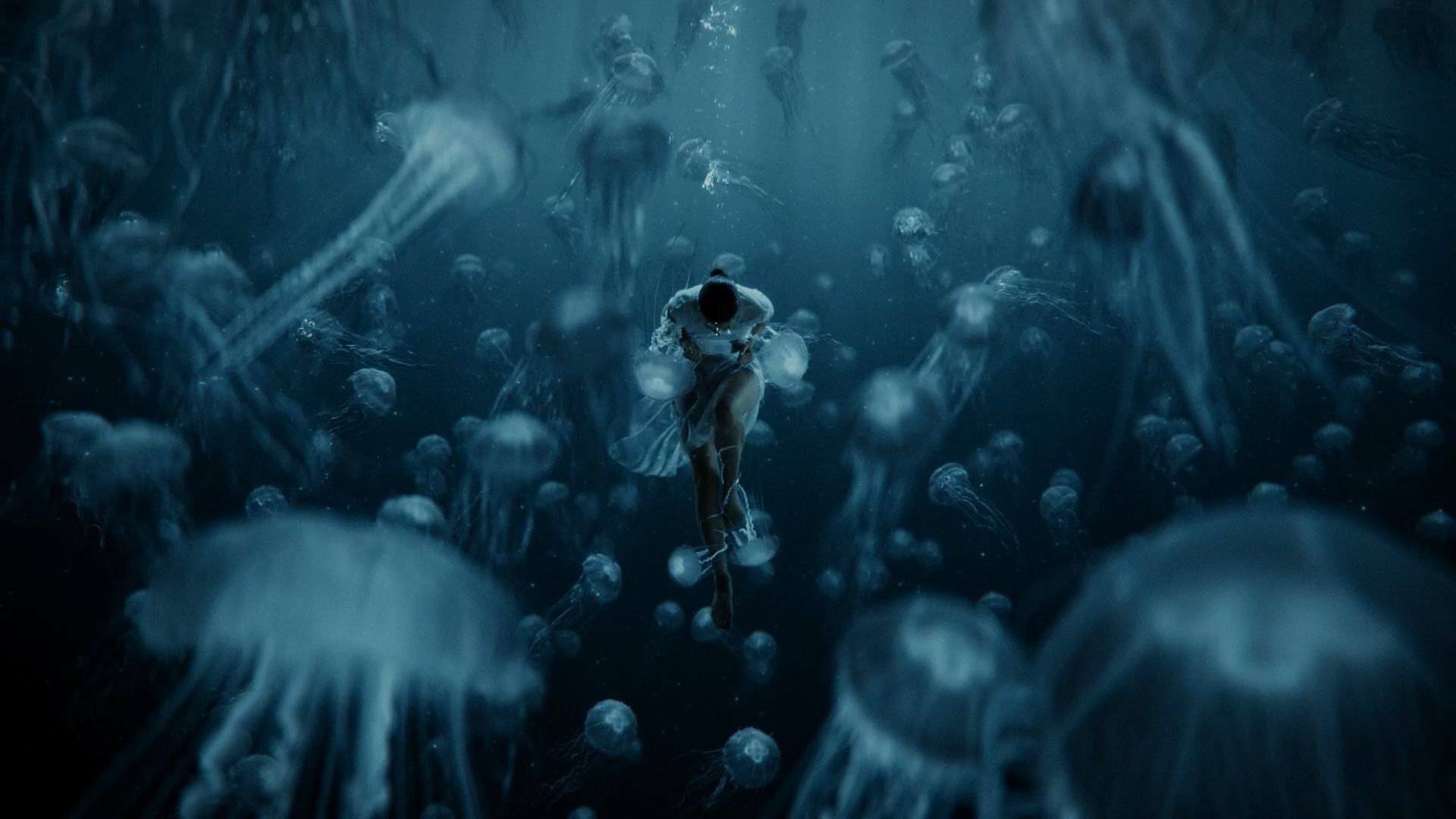
"I always felt like it’s kind of a double edged sword. Knowing so much technically can really put limits on creative exploration because I know what’s delusional or not."
The best part of being in a creative community, Corey says, are the people. He looks for “partners that you can laugh with when it's tough and can have good creative critique that betters everyone. That’s the gold and it's crazy hard to find but it makes the whole thing worth it.”
With a varied experience as a designer, animator, director and creative director, Corey has a great understanding of the whole production and creative ideation process, which he describes as a double edged sword: “Knowing so much technically can really put limits on creative exploration because I know what’s realistic… or not. Yet on the other end of the spectrum when budgets are super tight sometimes I can overdeliver big time because I can get to a certain result much faster because of my experience and through discussions with artists in an insanely efficient way.”
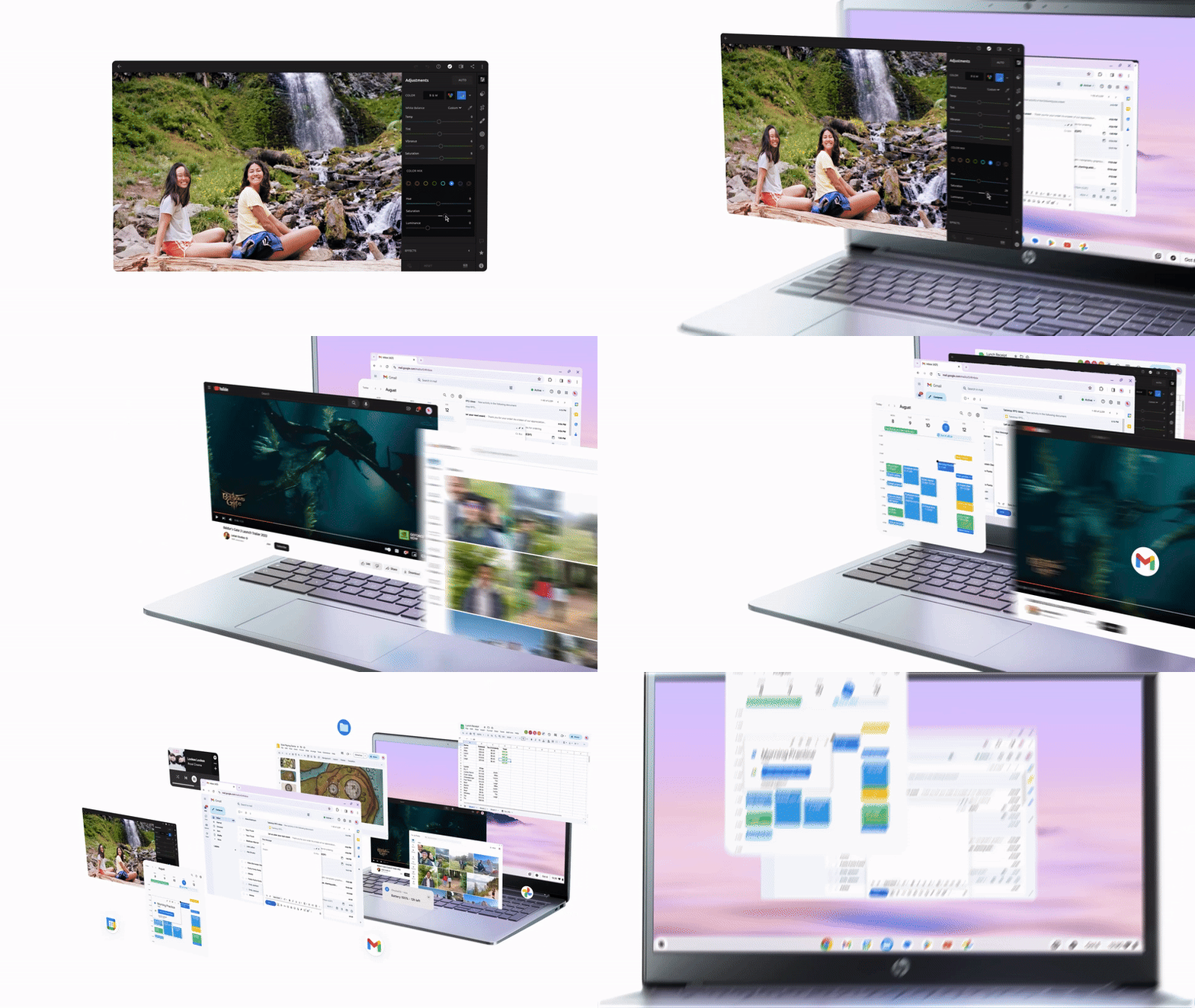
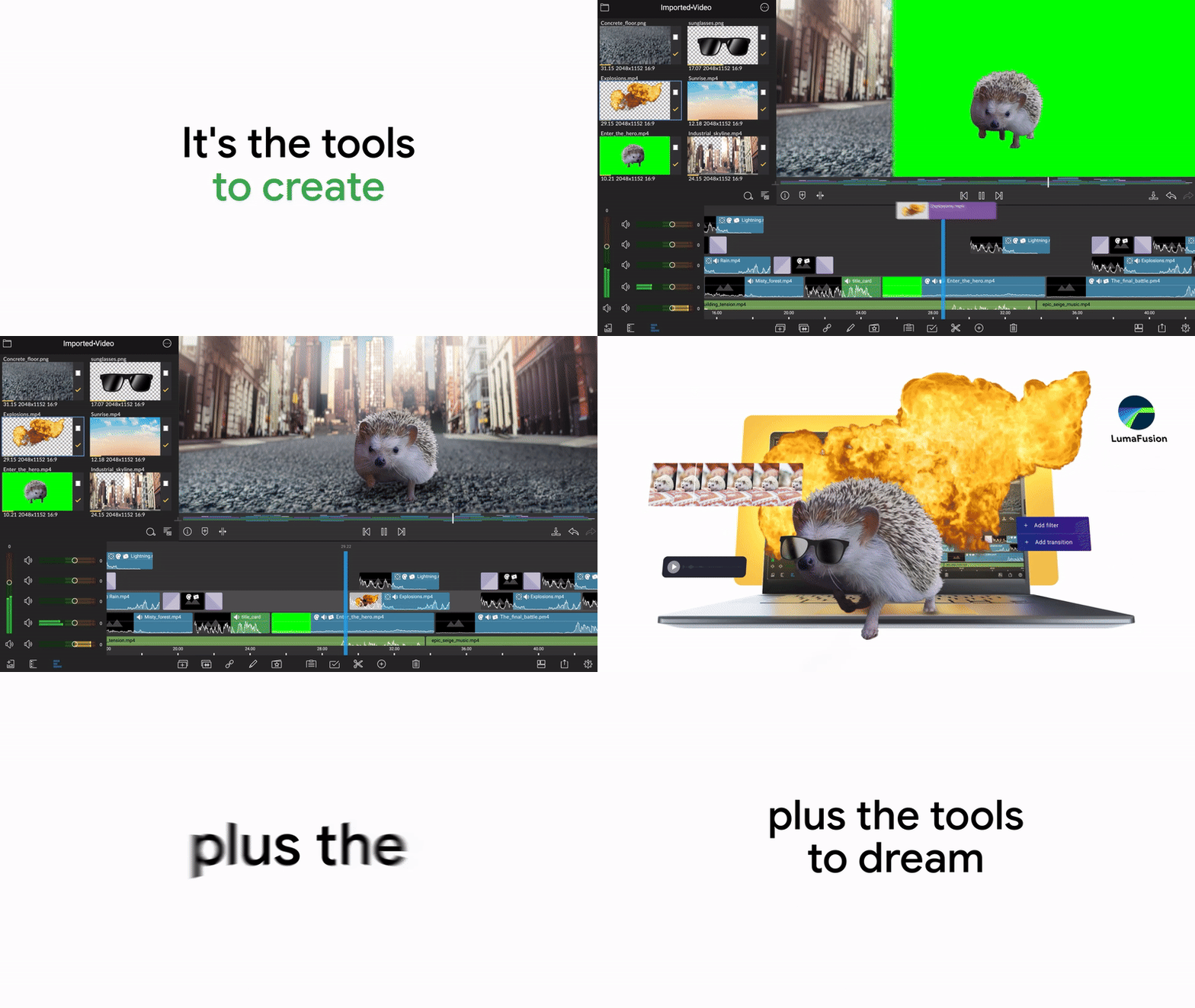
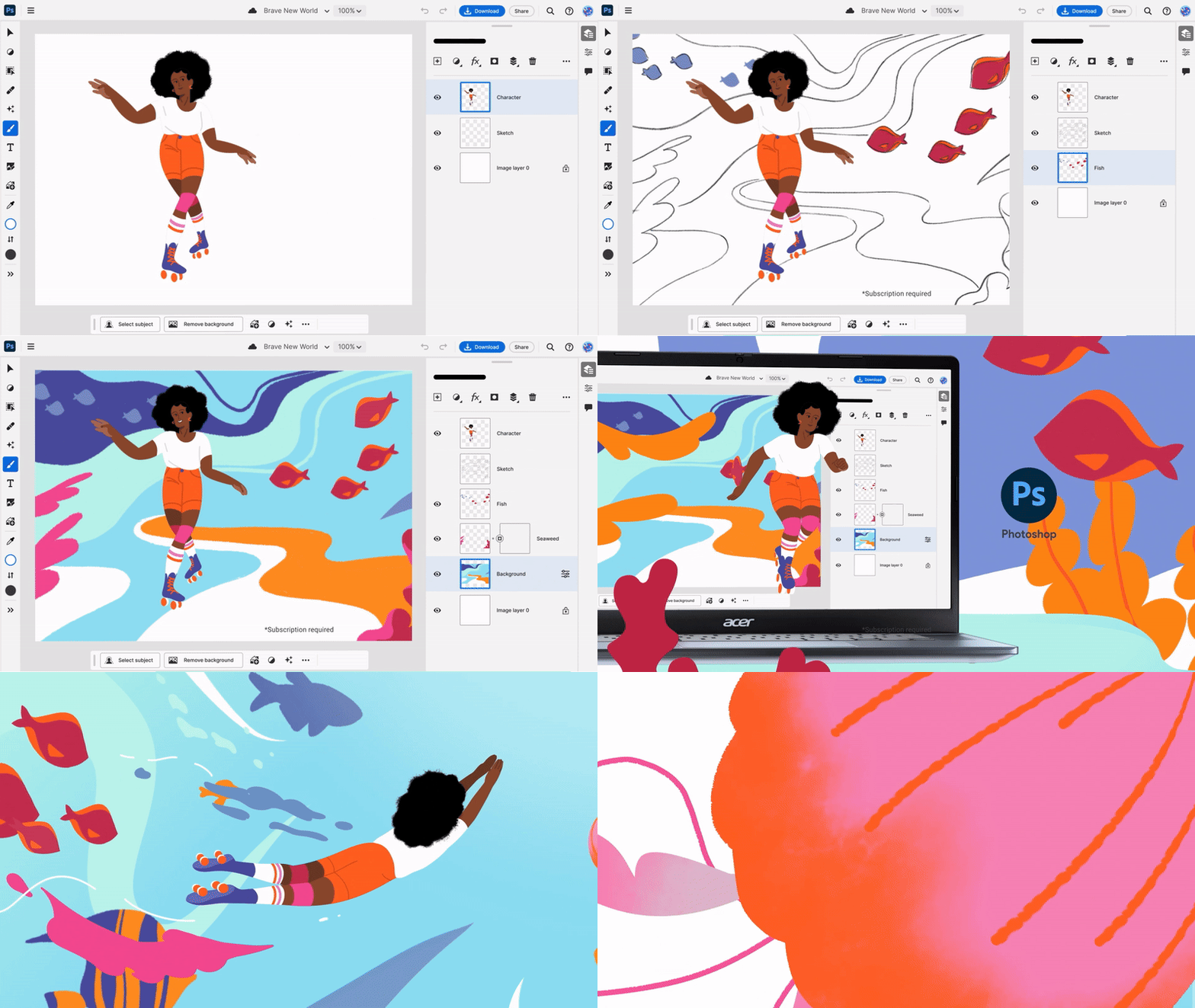

[Above: Google Chromebook 'Plus' | Dir: Corey Langelotti via Hornet]
His multidisciplinary fluency evolved out of necessity, working at small studios that couldn't afford to turn work away. "Someone had to figure it out," Corey laughs. But what began as problem-solving has become second nature. His time at the early stages of MPC and Gentleman Scholar gave him a rare vantage point, sitting in on conversations about how studios scale, what services to offer, and how strategy drives decisions. By his early twenties he says, “I felt like I’d learned the CG, VFX and post business end-to-end”.
He’s had experiences working with studios where things were firmly rooted in the fundamentals of design and everyone hones their own skill. He’s also had experiences where things felt more spontaneous and expressive. All these experiences gave him an insight into real client needs and how to “develop and experiment with visual solves.” He carries both approaches with him now: the discipline and the instinct.
"The multidisciplinary stuff gives me whiplash! But it’s super helpful when budgets are tight or if a medium can reinforce the ask/strategy for the client."
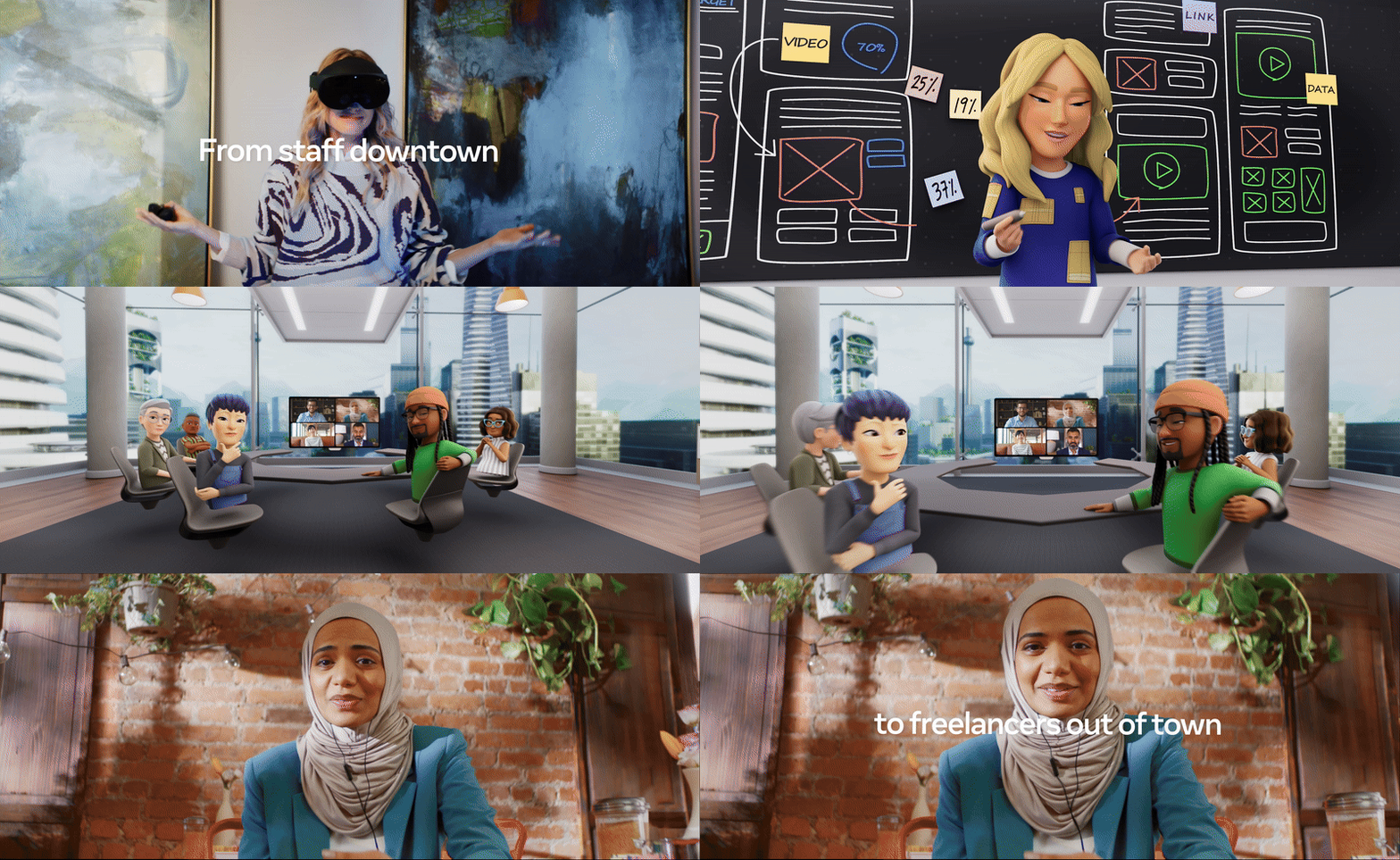
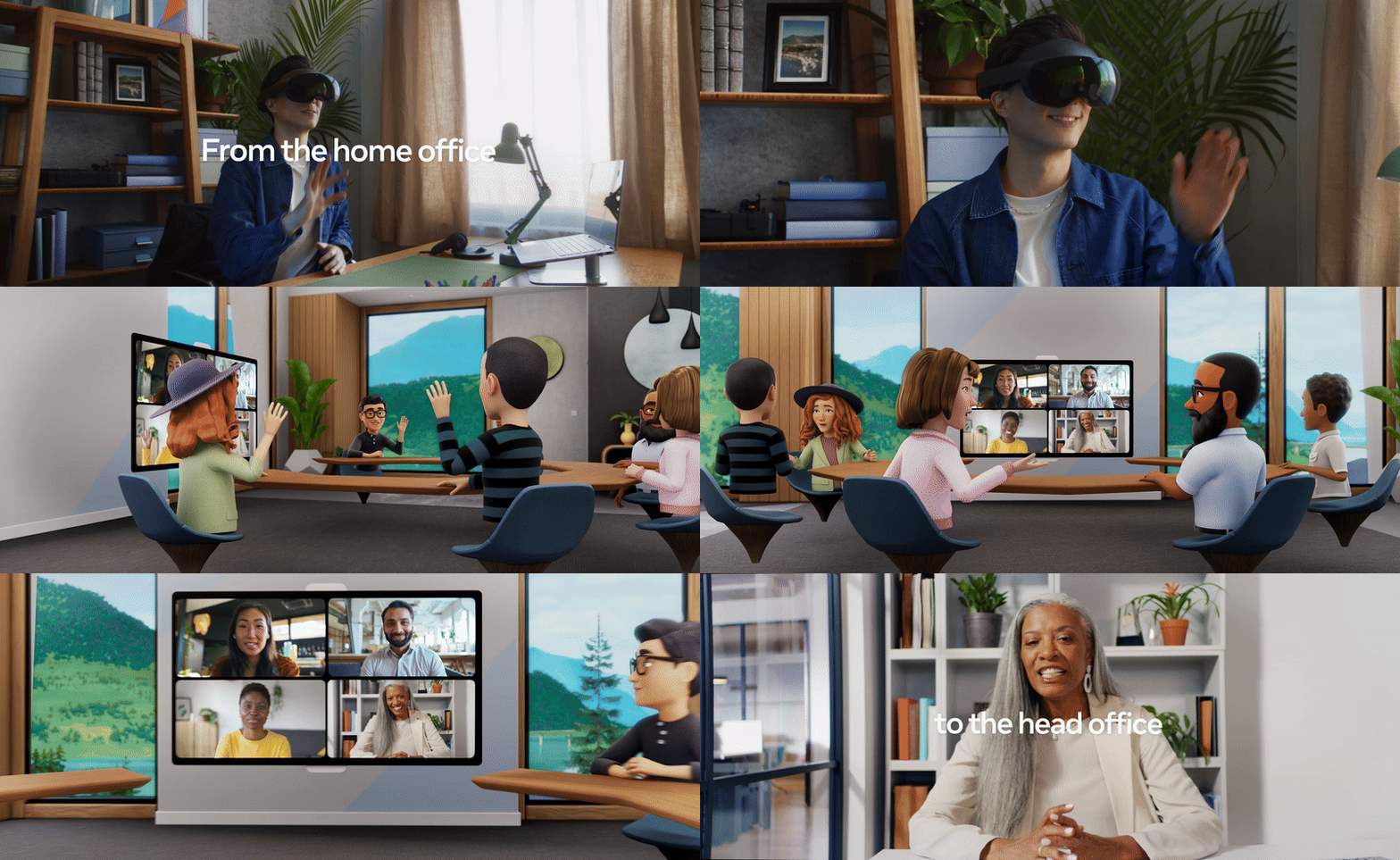
[Above: Campaign for Meta x Zoom | Dir: Corey Langelotti via Hornet]
"Art was always my happy place as a kid."
These days, Corey uses 2D, 3D, live action and VFX, choosing whichever medium best serves the idea. That breadth gives him options when tackling a new brief. "I think one usually arises and quickly becomes the obvious solve," he says, "but it helps that I can talk to many before committing to one." It's a pragmatic flexibility that also serves him well when budgets are tight or when a particular medium can reinforce the strategy in a way nothing else can.
What's striking about Corey is his instinct for storytelling. He can read a script and immediately see both the challenges and the opportunities. His breadth of expertise allows each brief to be approached from multiple angles, but what's most valuable is how naturally he connects disciplines: directing shoots, guiding collaboration with artists, keeping the visual language consistent from script to delivery. That kind of fluency is rare.
What comes through, whether Corey's talking about his early days as a render wrangler or the poetry of restraint, is someone who hasn't lost sight of why he started making things in the first place. Art was his happy place as a kid. And still is.