Alexis Jamet on transformation, craft and the creative unknown
Some things resist repetition. Clouds shift, smoke dances, light falls differently minute to minute... and French artist and designer Alexis Jamet has built an entire practice around that.
"My work sometimes explores abstraction, atmosphere and perception. I’m interested in images that are slightly unstable, or things that appear, disappear, or transform depending on how you look at them."
Alexis JametTransformation, experimentation and movement are key themes in his work. Even the organic elements he often features are natural phenomena with a life of their own. “These things constantly transform and never repeat exactly the same way,” he says.
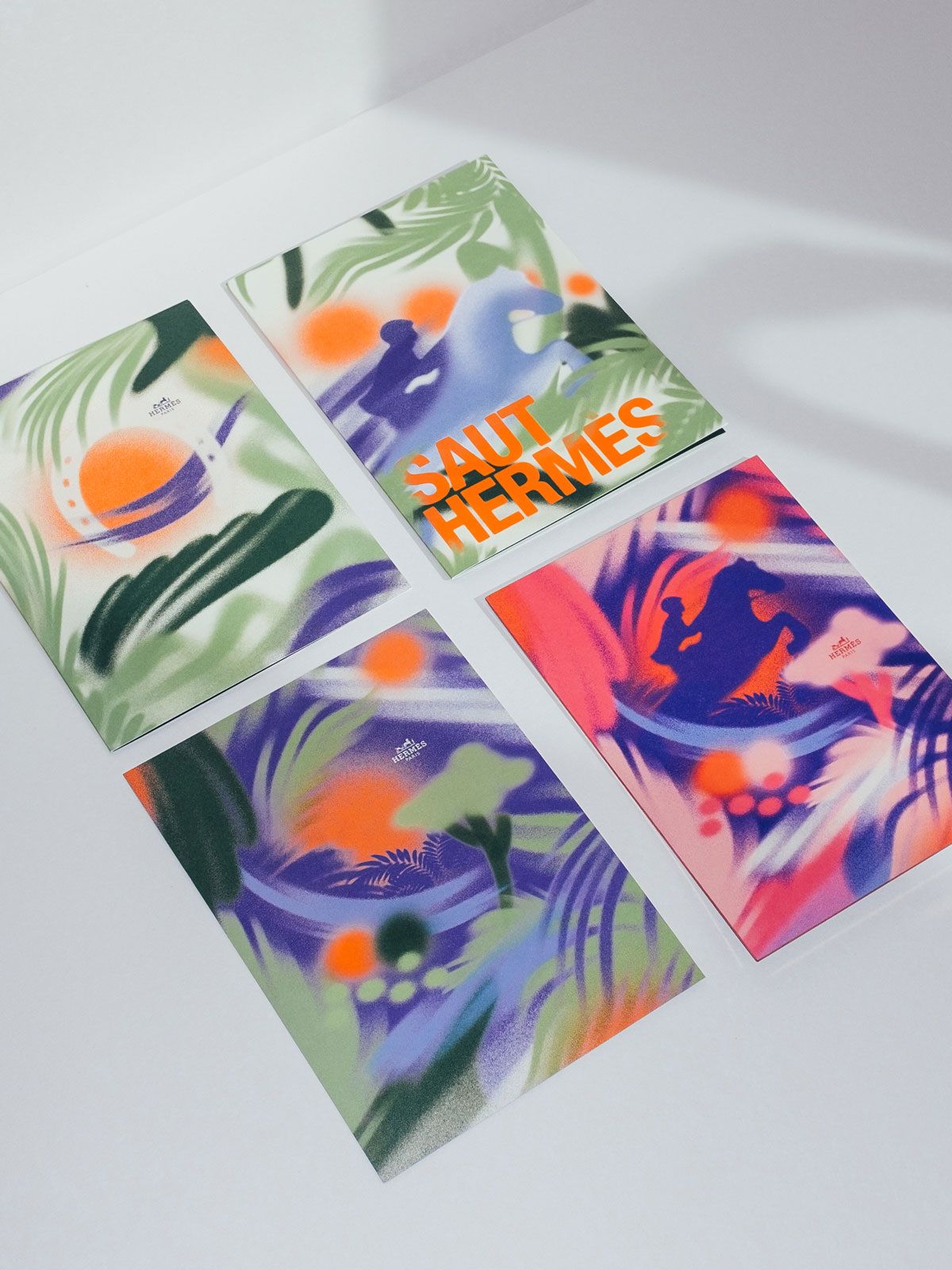
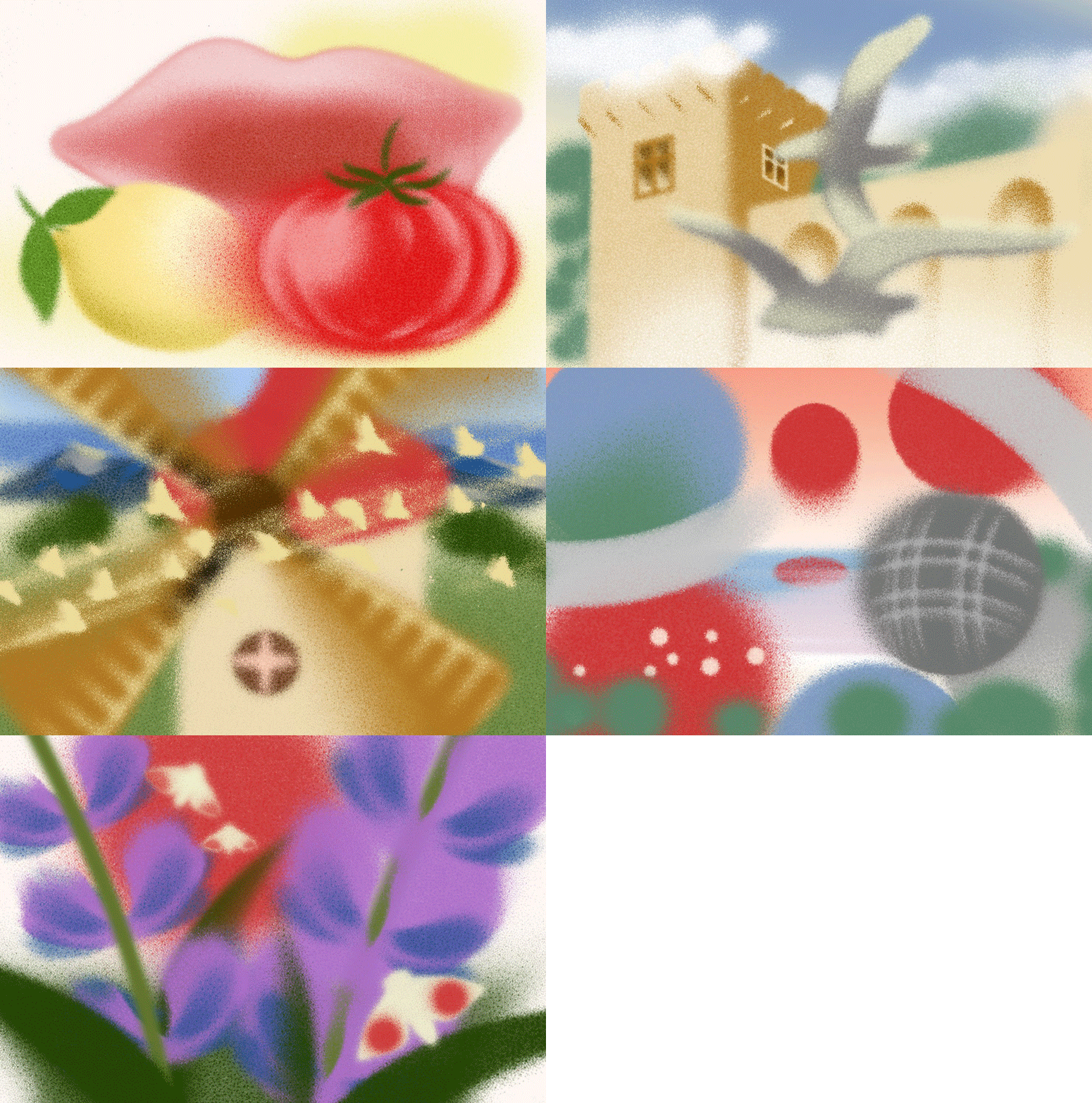
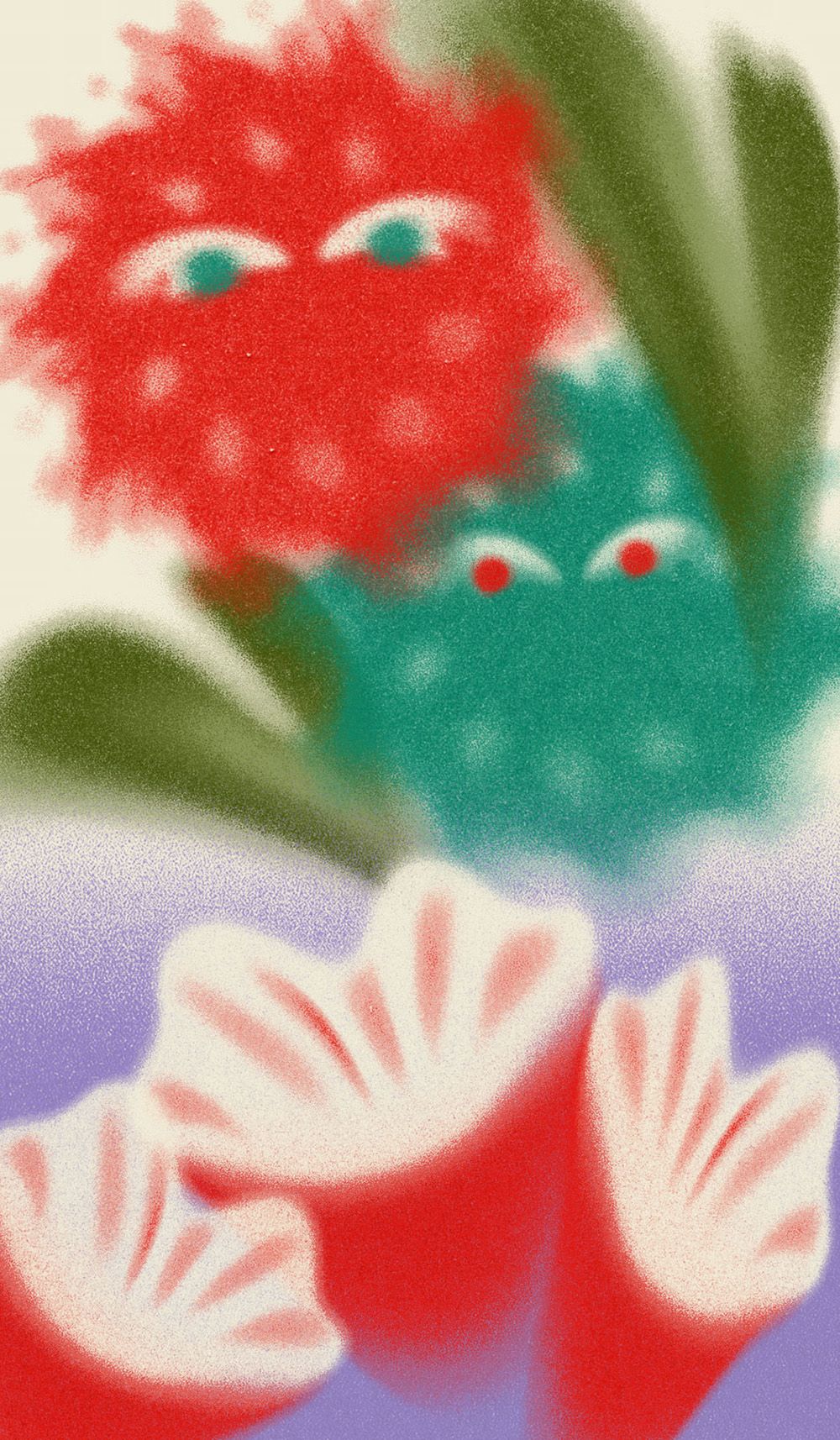
It’s that unique quality of unpredictability that draws him to working with analogue techniques. “Small imperfections, material reactions, accidents,” he says, “these things often create textures that feel more alive.” Working to bridge the gap between analogue and digital, he experiments with analogue techniques initially before moving into the digital world of composition and transformation.
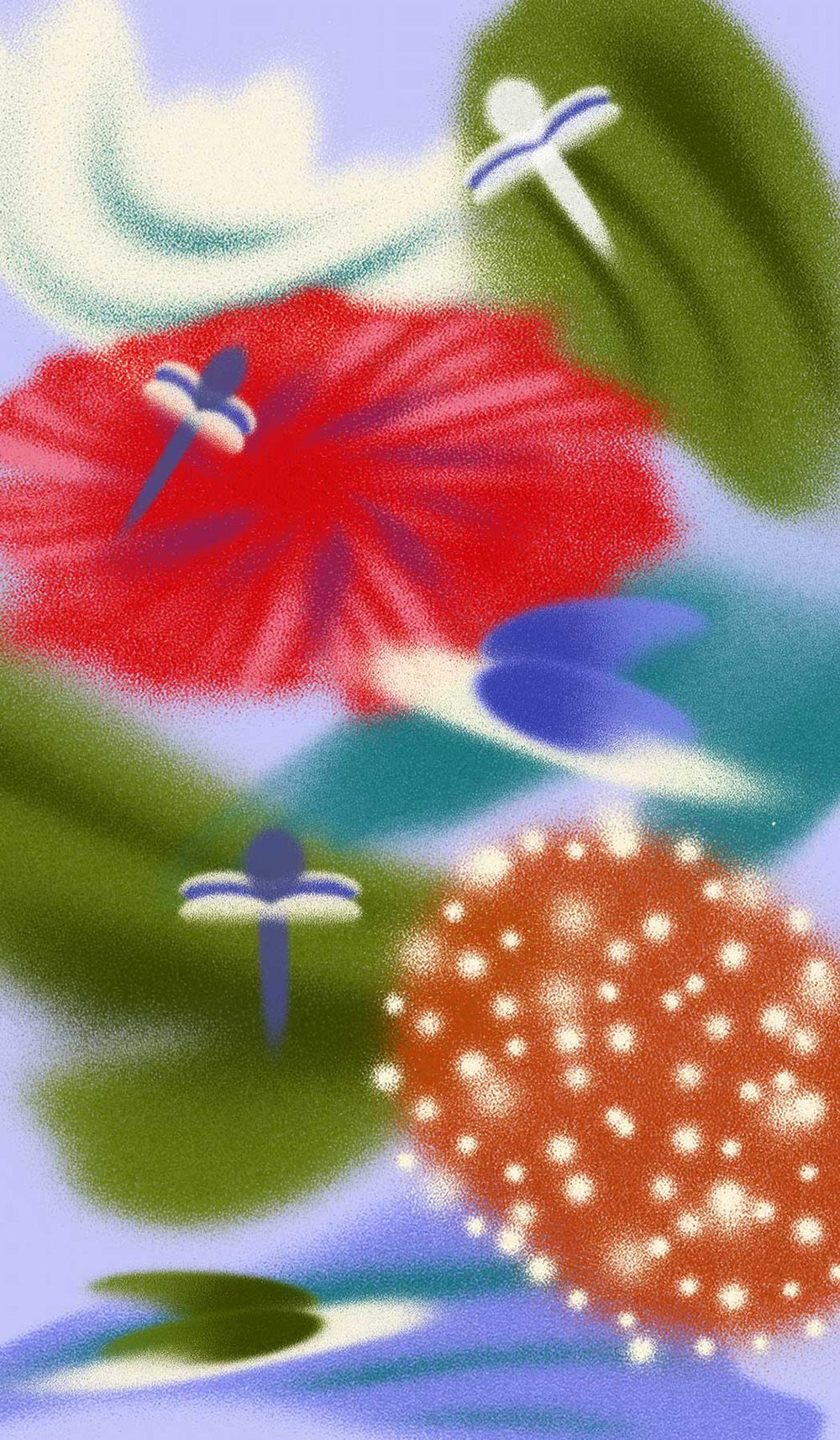
There's confidence in the way Alexis operates. A conviction around the value of experimentation. Growing up surrounded by art and music "made it feel very natural and accessible," he says. It was just part of everyday life. “I think that environment gave me a curiosity for images very early on” he says. “It also encouraged me to experiment without worrying too much about categories or disciplines, which is something that still shapes the way I work today.”
Now, based in Tokyo, he explores the intersections of illustration, motion and installation, building textures, movements and visual systems. “My work sometimes explores abstraction, atmosphere and perception,” he adds. “I’m interested in images that are slightly unstable, or things that appear, disappear, or transform depending on how you look at them.” This idea of fluidity carries across his practice, including his style. He’s created work for a wide range of brands while managing to explore his style, which he doesn’t think of as fixed. “For me it’s more a way of approaching images, through figurative elements and abstraction or movement and atmosphere.”
"Analogue processes introduce a level of unpredictability that is very difficult to reproduce digitally. Small imperfections, material reactions, accidents, these things often create textures that feel more alive."
Alexis JametWhen collaborating with brands and digging into their world, it is often atmosphere that grabs Alexis’ focus first. “I try to understand the visual logic of the brand. What kind of atmosphere it creates, how images behave, how color and rhythm are used,” before deciding whether the project calls for motion or a static treatment. The nature of the project or idea will usually dictate this, but “some images contain a kind of internal movement, they evolve, transform, or reveal themselves over time. In those cases motion feels natural,” he says. “Other ideas are more about balance, tension or composition, and they work better as a still image.”
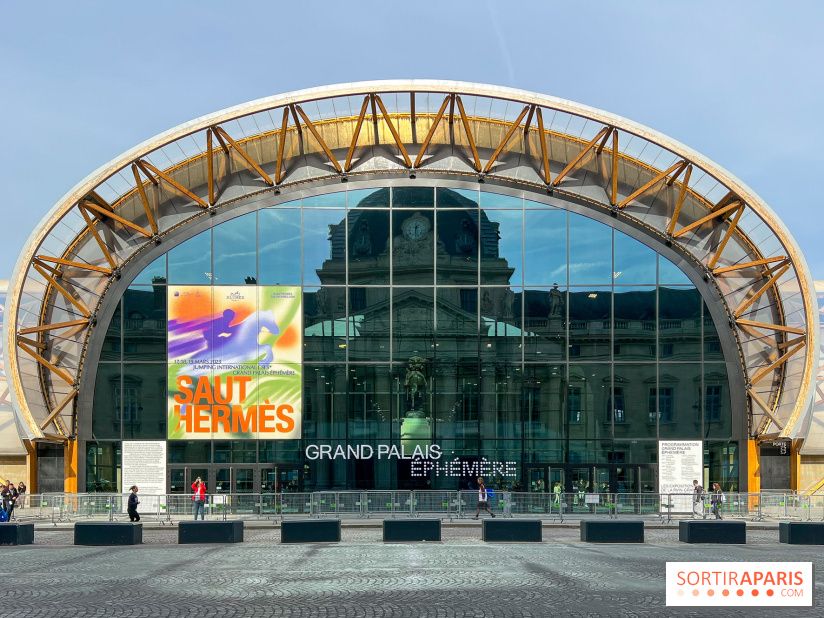
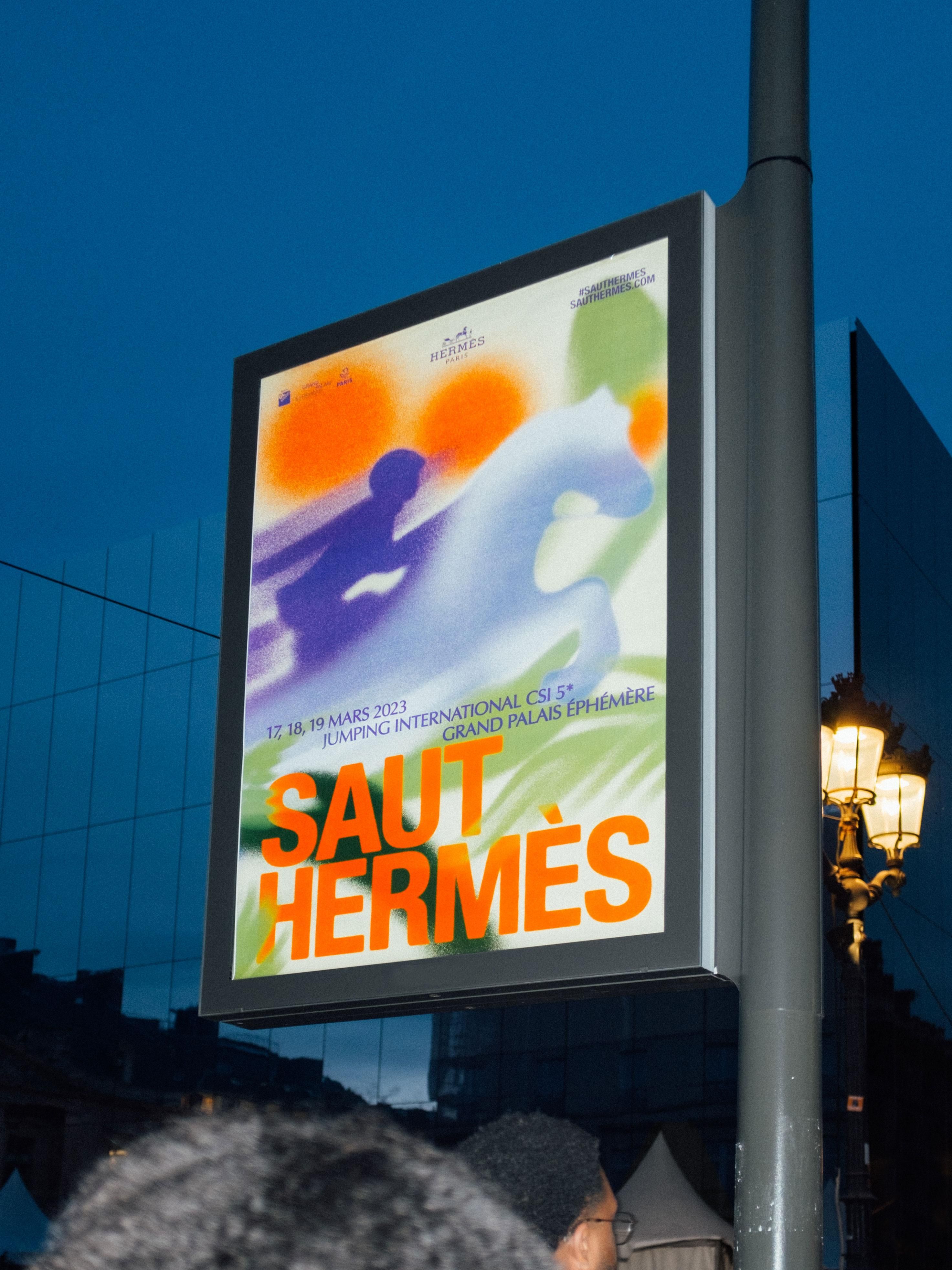
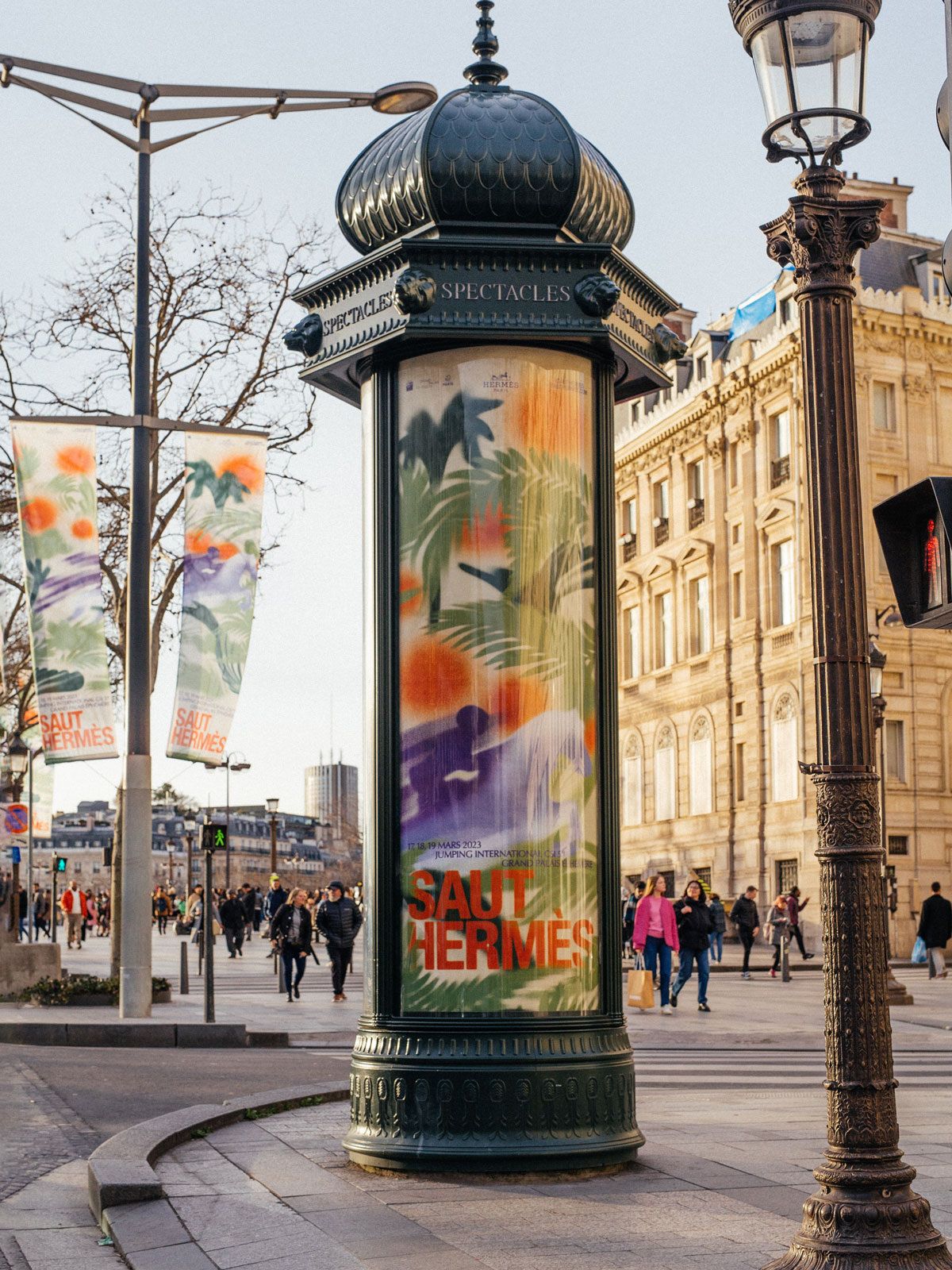
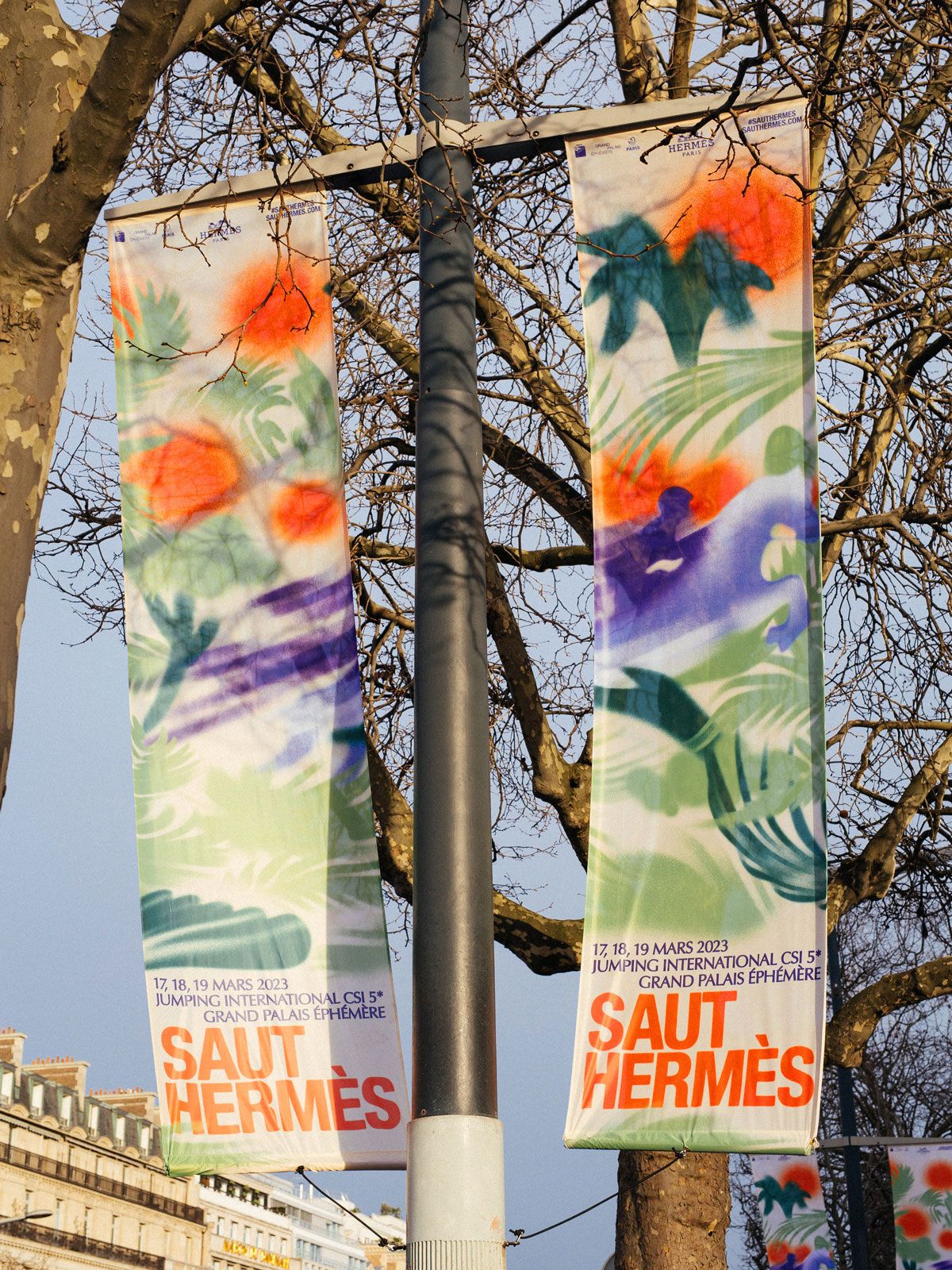
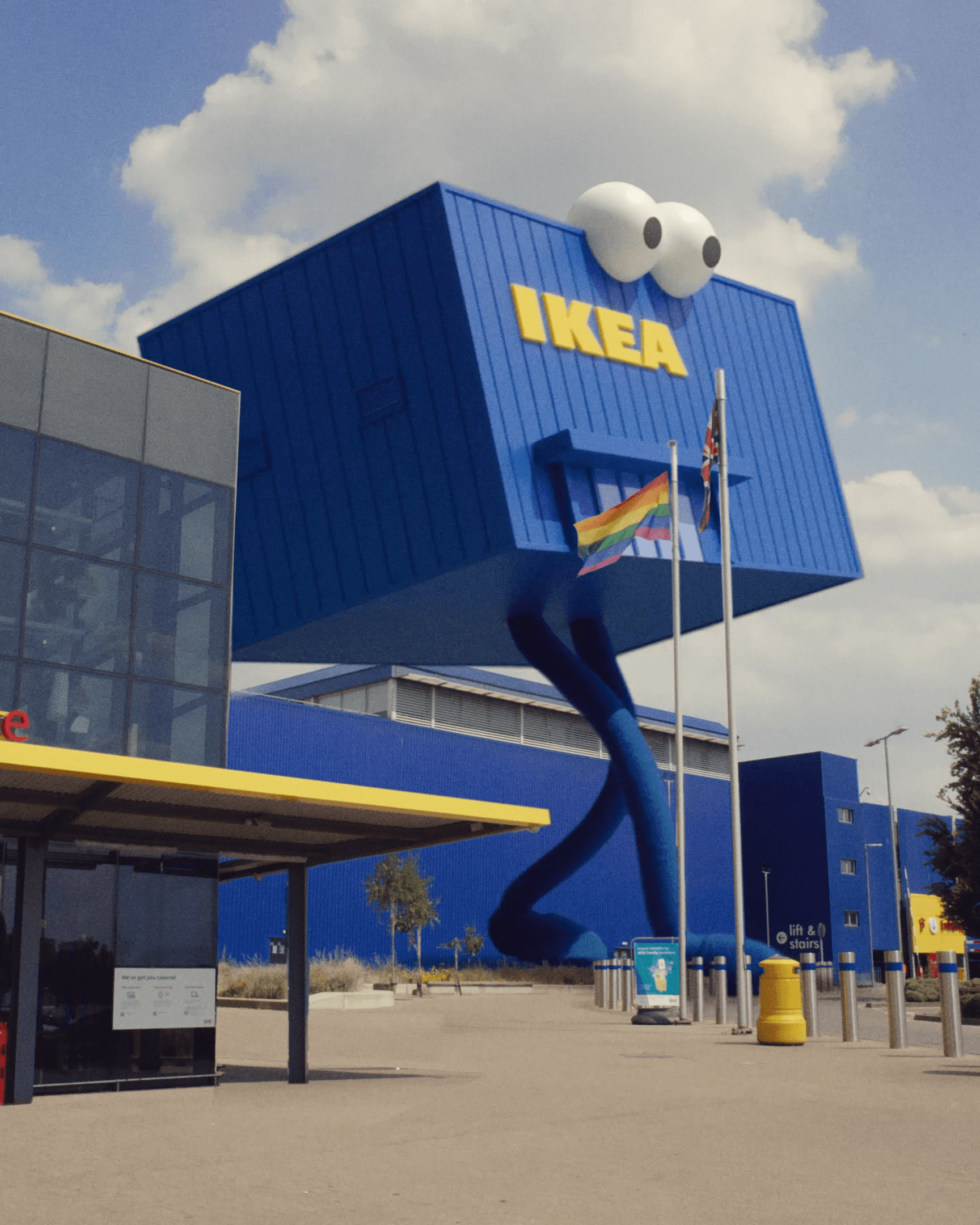
Having worked with brands at the forefront of global trends such as Hermès, Nike, Apple, and Rimowa, Alexis enjoys the new contexts and challenges that collaborating with brands affords him. He sees briefs as exciting opportunities to push his work in directions he might not explore on his own, drawn to working with clients where experimentation is encouraged; whether they’re cultural institutions, fashion houses, or technology companies exploring different forms of image and motion. But that relationship runs both ways. Personal work is where he experiments without constraints, testing ideas and developing new visual languages. “That research naturally feeds into commissioned work.”
"I try not to think of style as something fixed. For me it’s more a way of approaching images, through figurative elements and abstraction or movement and atmosphere."
Alexis JametIn producing emotionally intelligent work with brands, it is the feeling that leads him. “I try to think about how to explain the tone of an image. What kind of feeling it produces, how it moves, how it breathes. Sometimes it can be pretty subtle.”
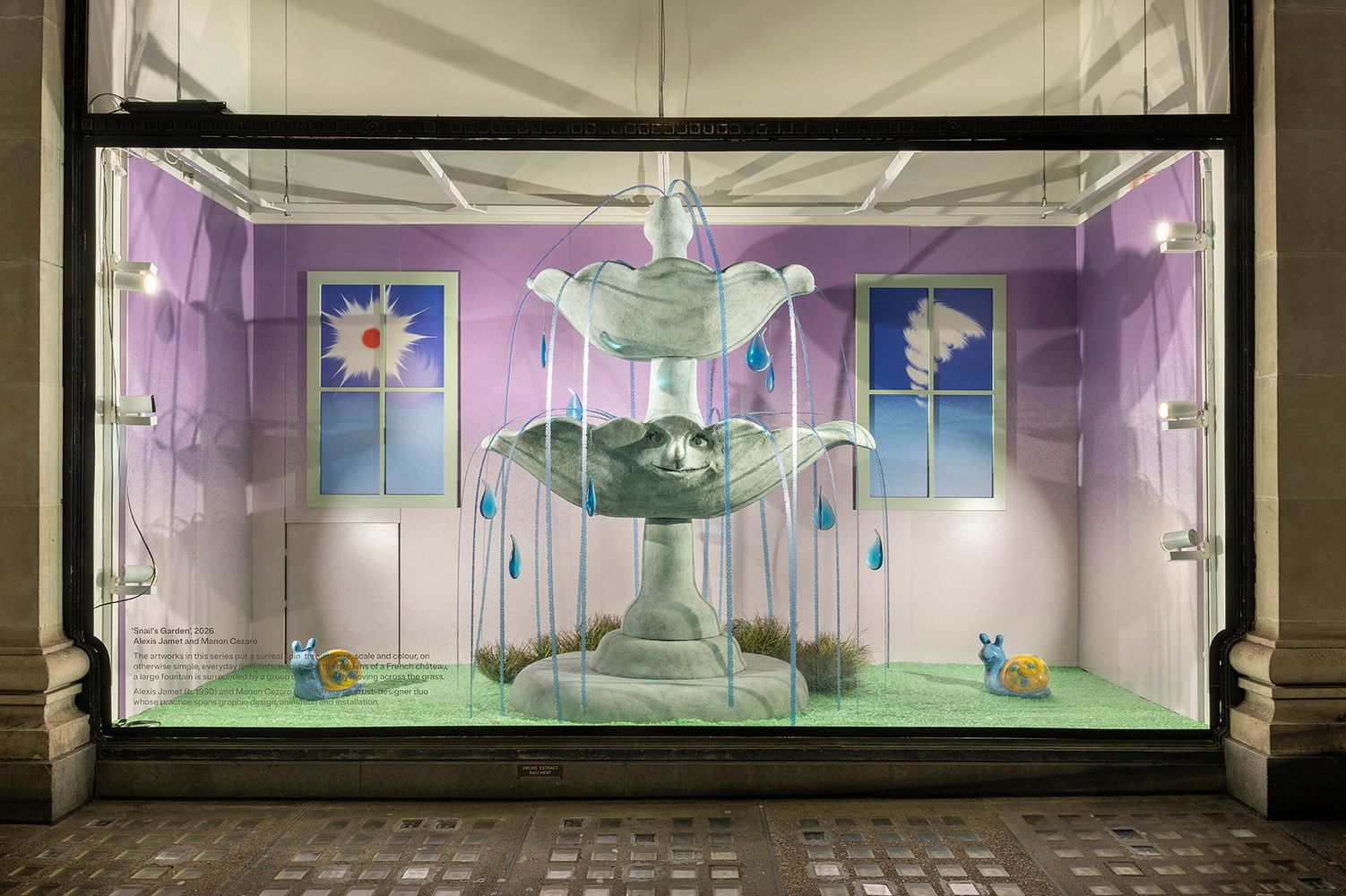
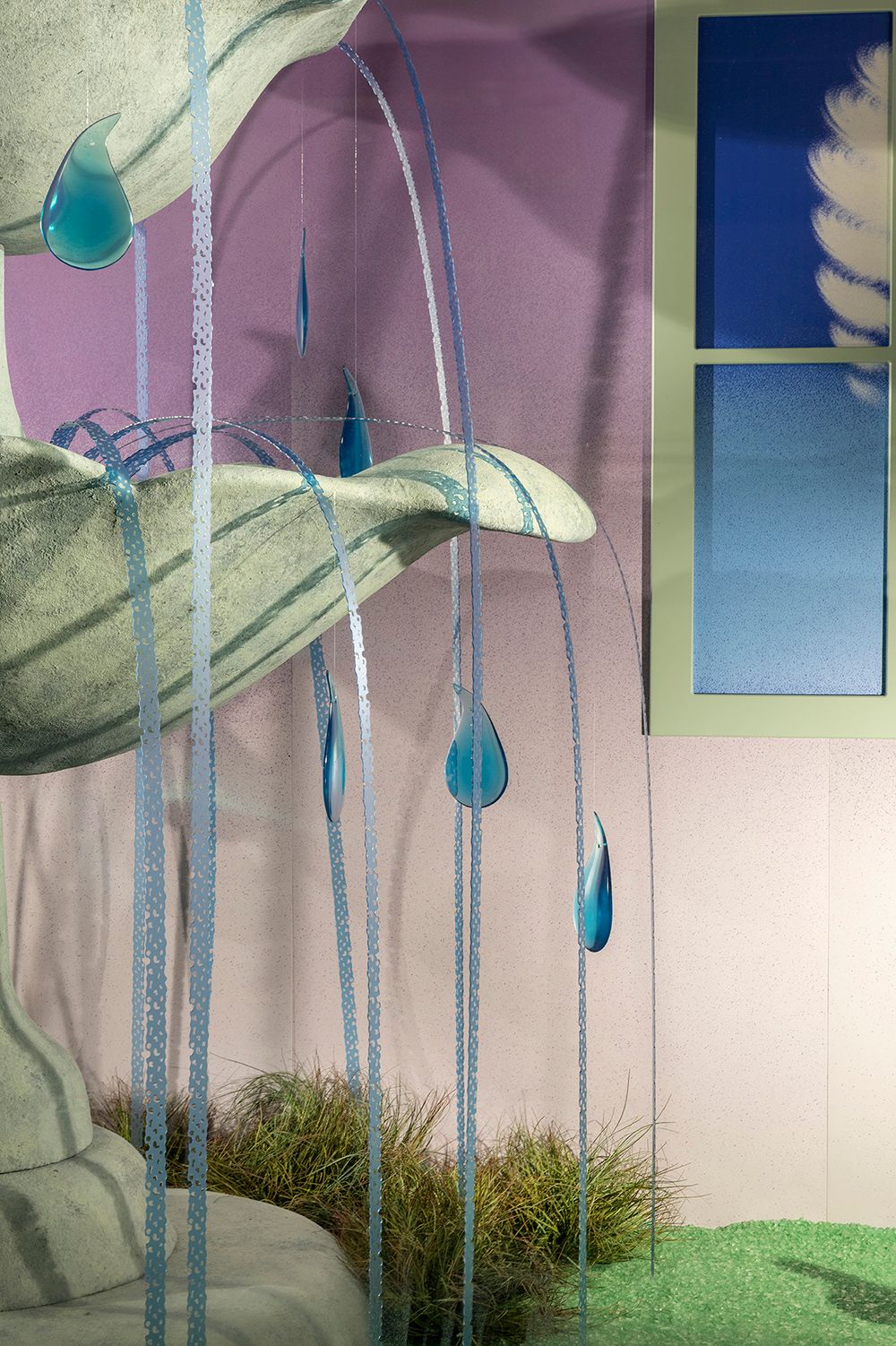
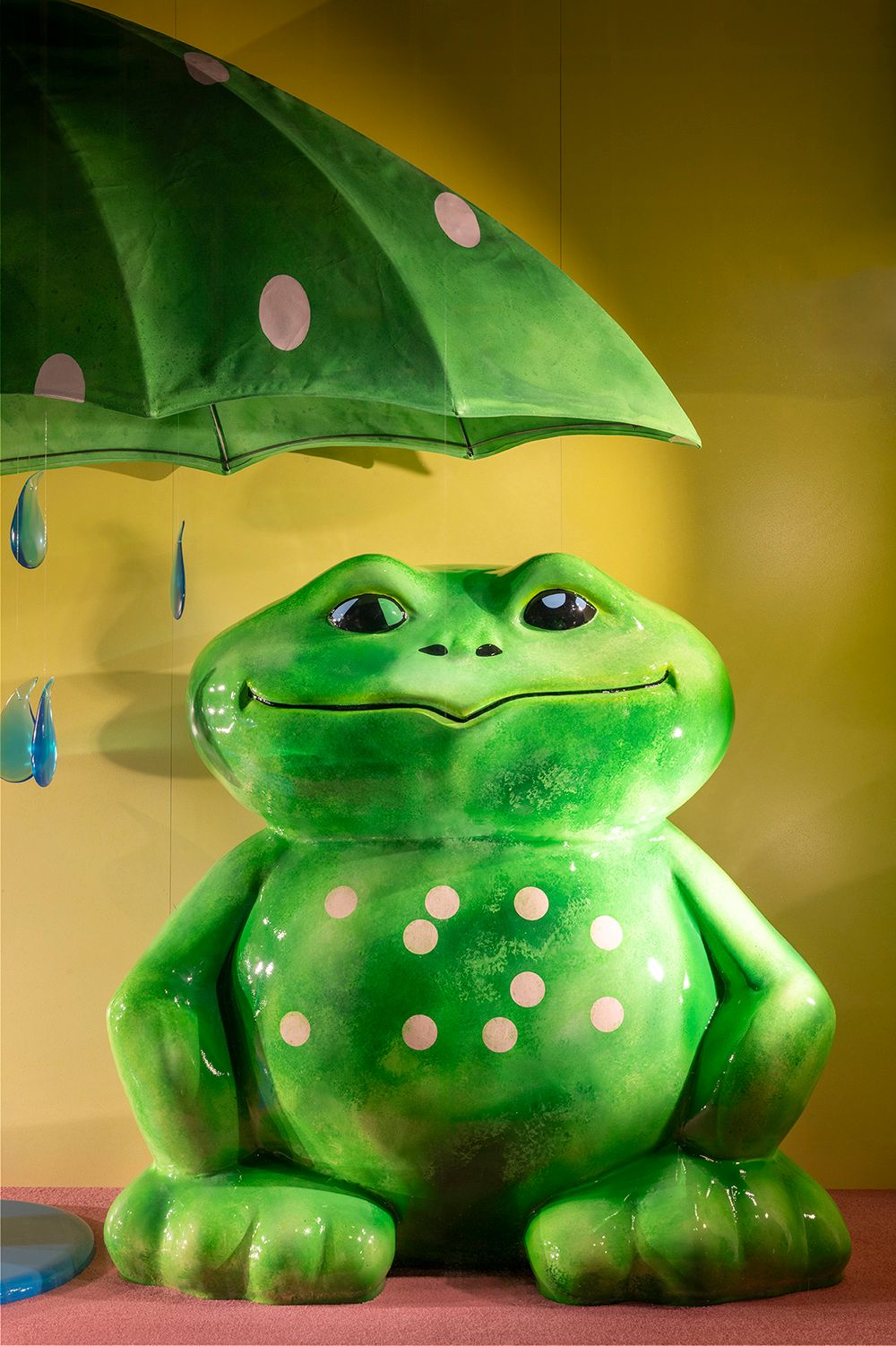
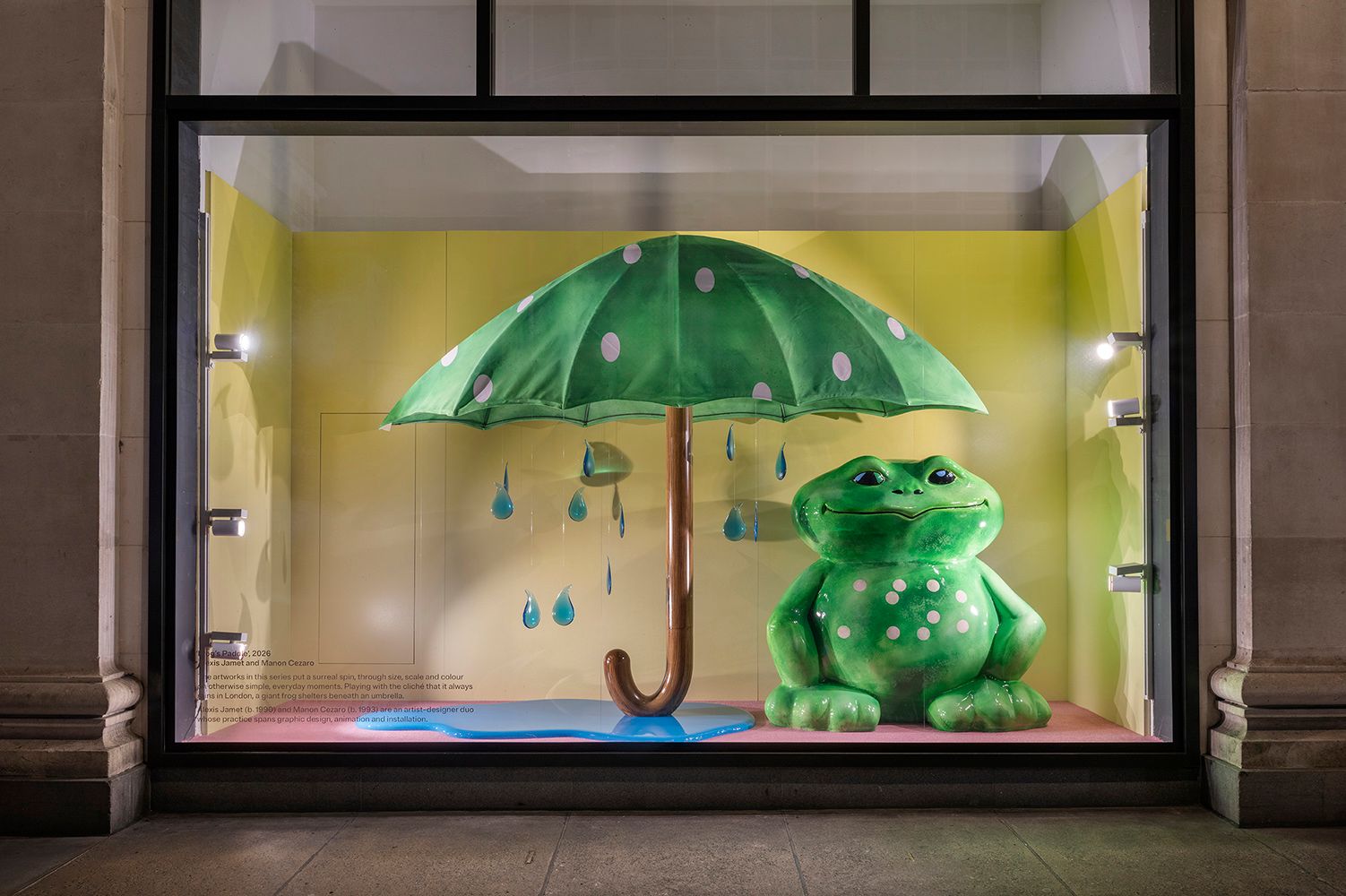
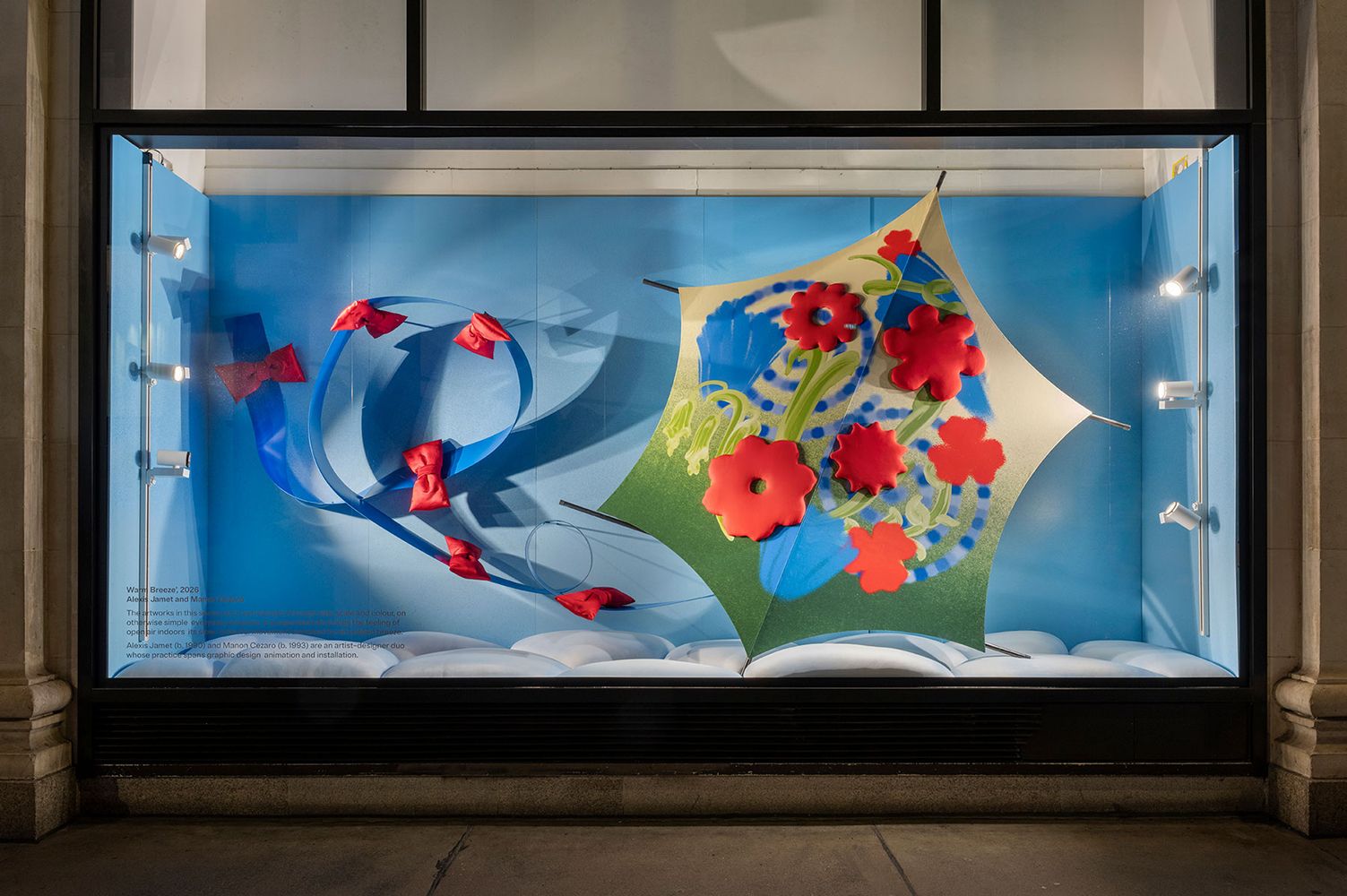
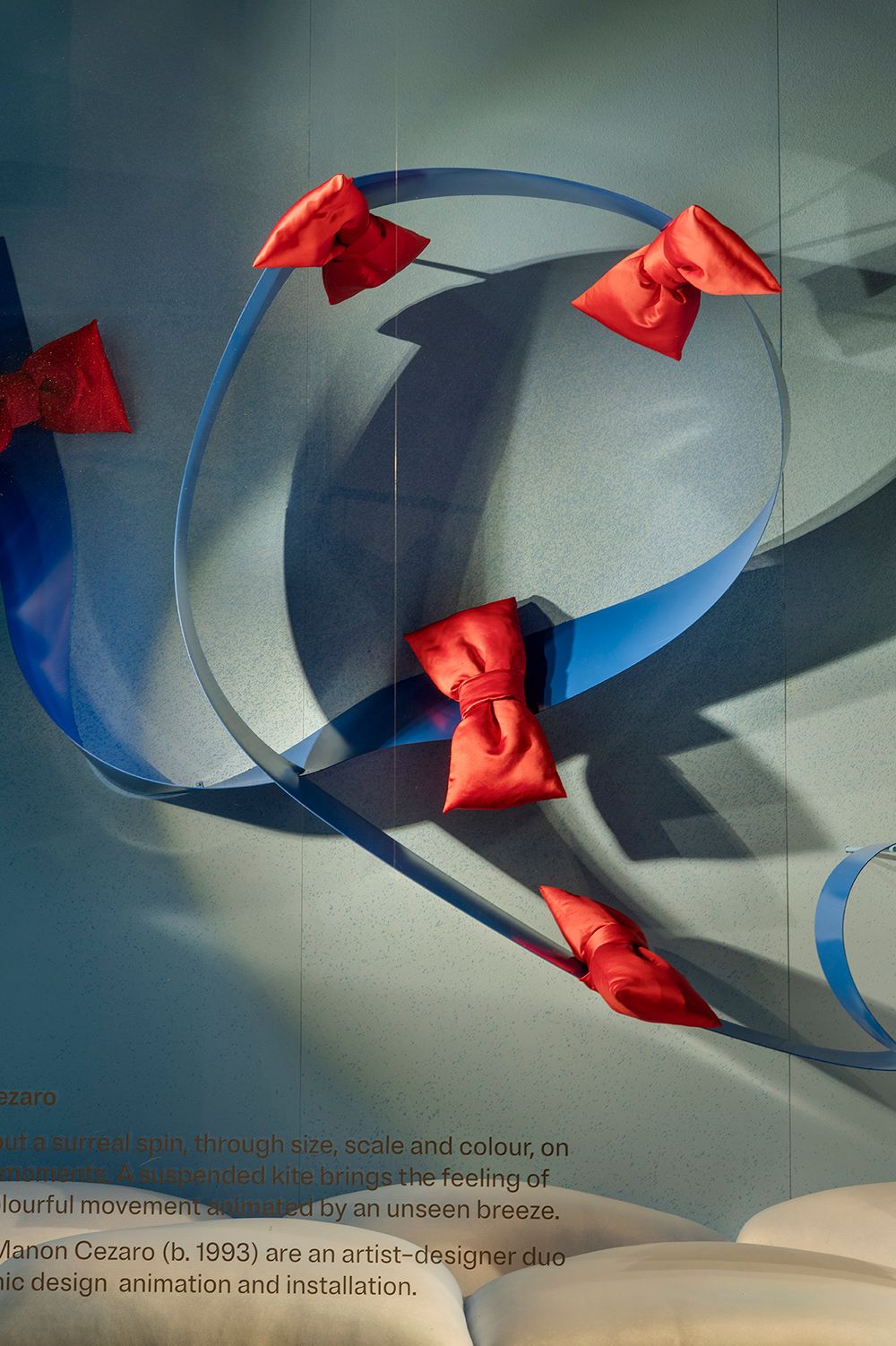
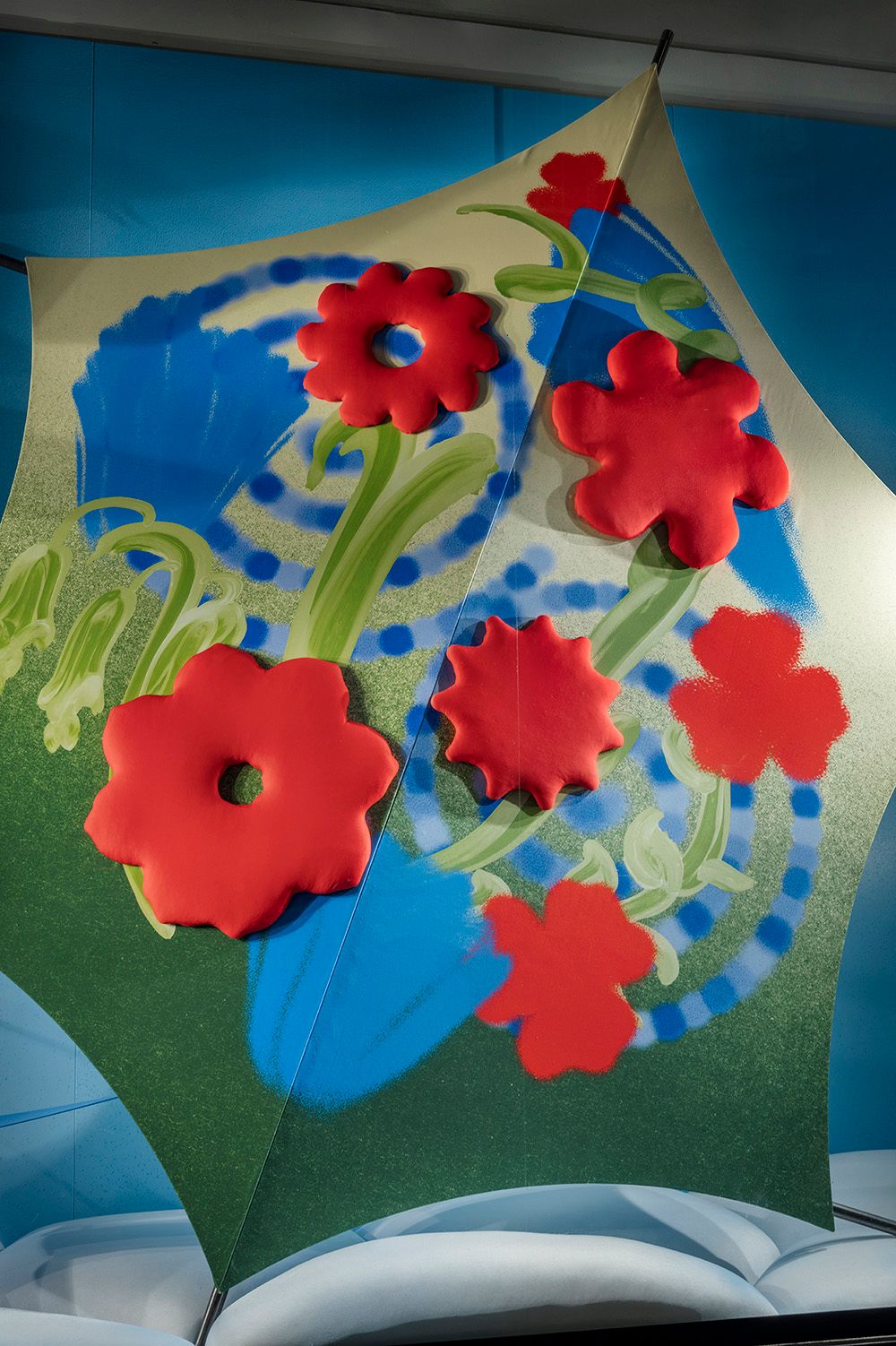
And increasingly he wants that feeling to exist somewhere you can stand inside. Projects that bring together space, moving images and physical materials are where his curiosity is taking him. He's already moving in that direction. A window installation for Selfridges London and Manchester, made in collaboration with artist Manon Cezaro and built from hand-painted and scanned plaster pieces, offered an early glimpse of what his tactile, immersive art can look like at scale.
For an artist whose practise has always been rooted in transformation and evolution depending on how you witness it, making work that evolves as you move through and experience it, feels like the natural next step for this beautifully ethereal craft of Alexis’.