Alva Skog on Finding Their Voice: From Ones to Watch Alumni to Industry-Defining Illustrator
As It's Nice That's 'Ones To Watch' opens for applications once again, we chat to OTW Alumni Illustrator Alva Skog on finding their voice through representation, staying true to a personal point of view in commercial work, and why the human touch is the future of illustration.
You were featured in Ones To Watch in 2018. What was going on in your practice at that time, and how different does that feel from where you are now?
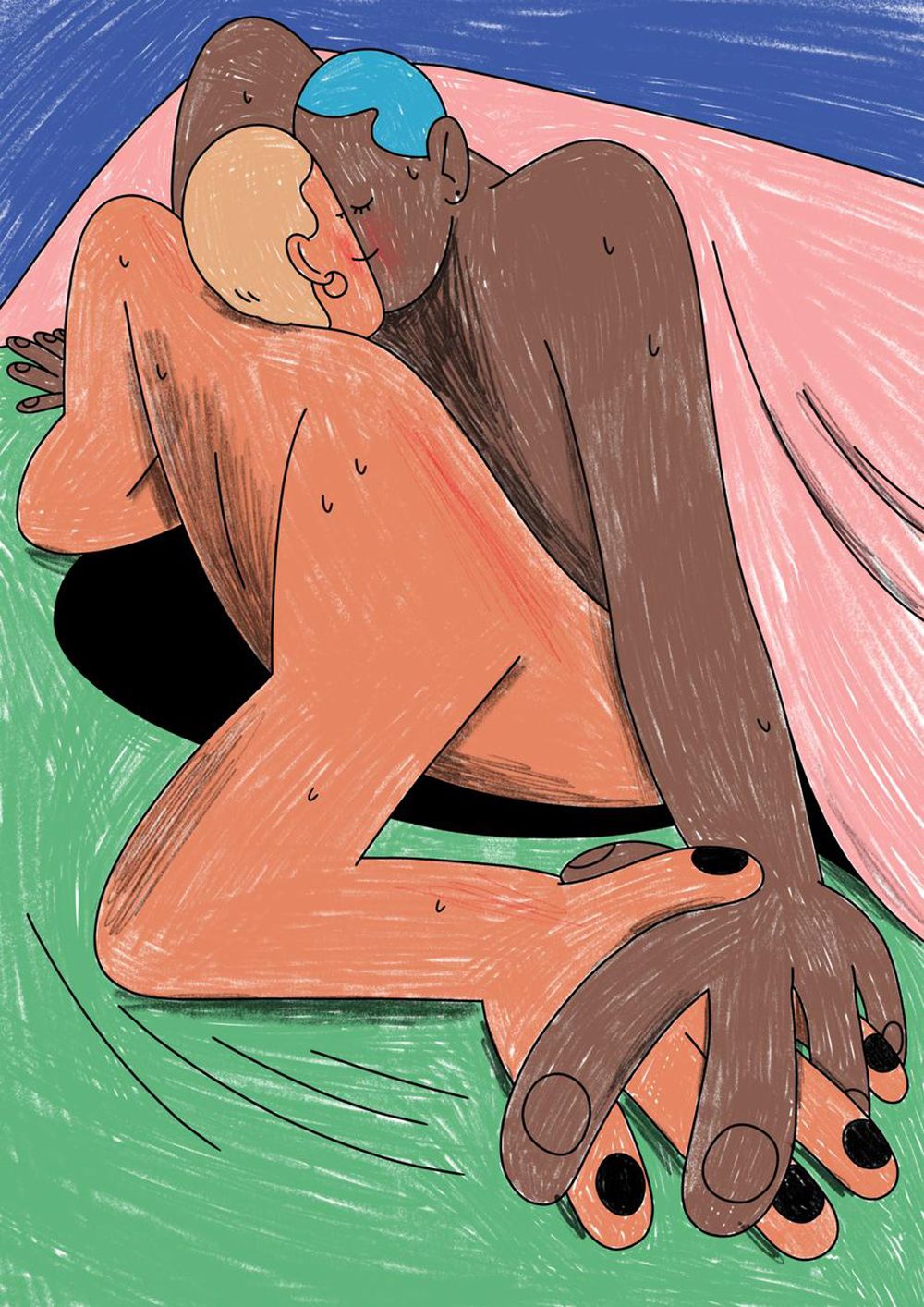
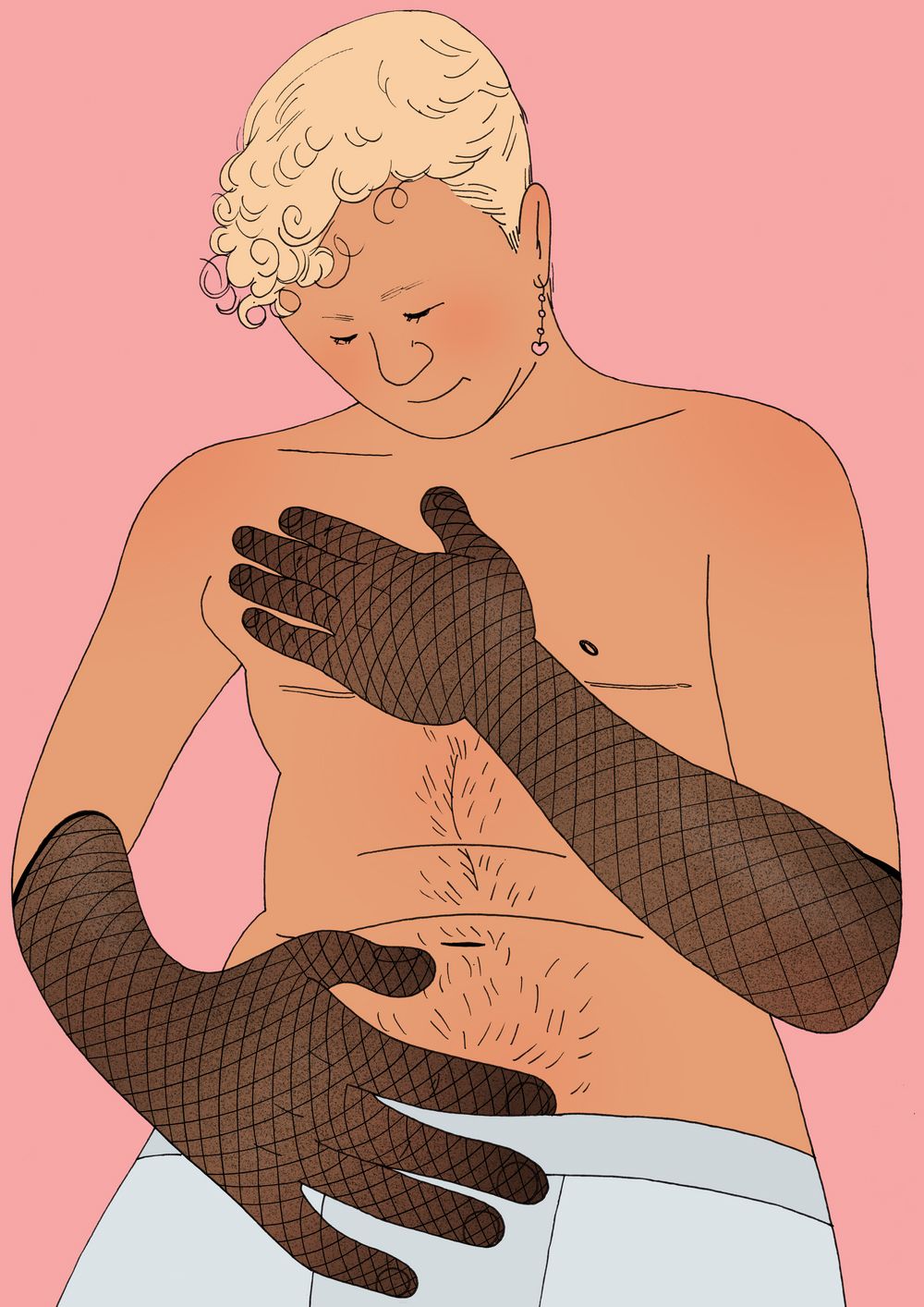
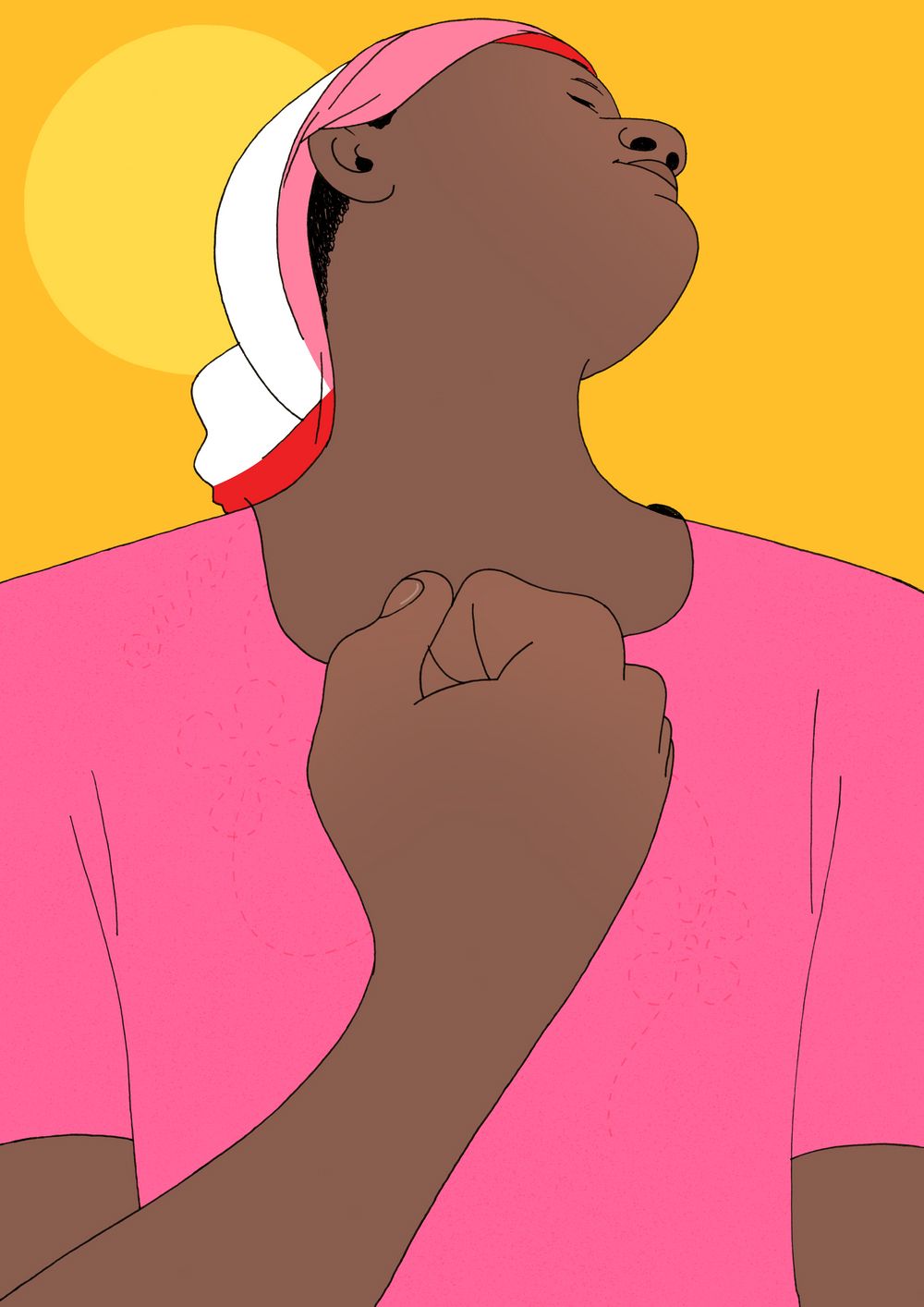
When I was featured on ones to watch in 2018 I was in my last year of my bachelor’s degree at Central Saint Martins. I had just started to find out and explore what then became my illustration style. Back then my illustration style was driven by female empowerment and trying to show different ways of depicting women and avoiding gender stereotypes. This is still part of my work but I think it has expanded to include other types of gender expressions as well. I’ve also come out as non-binary since then which has of course influenced my work.
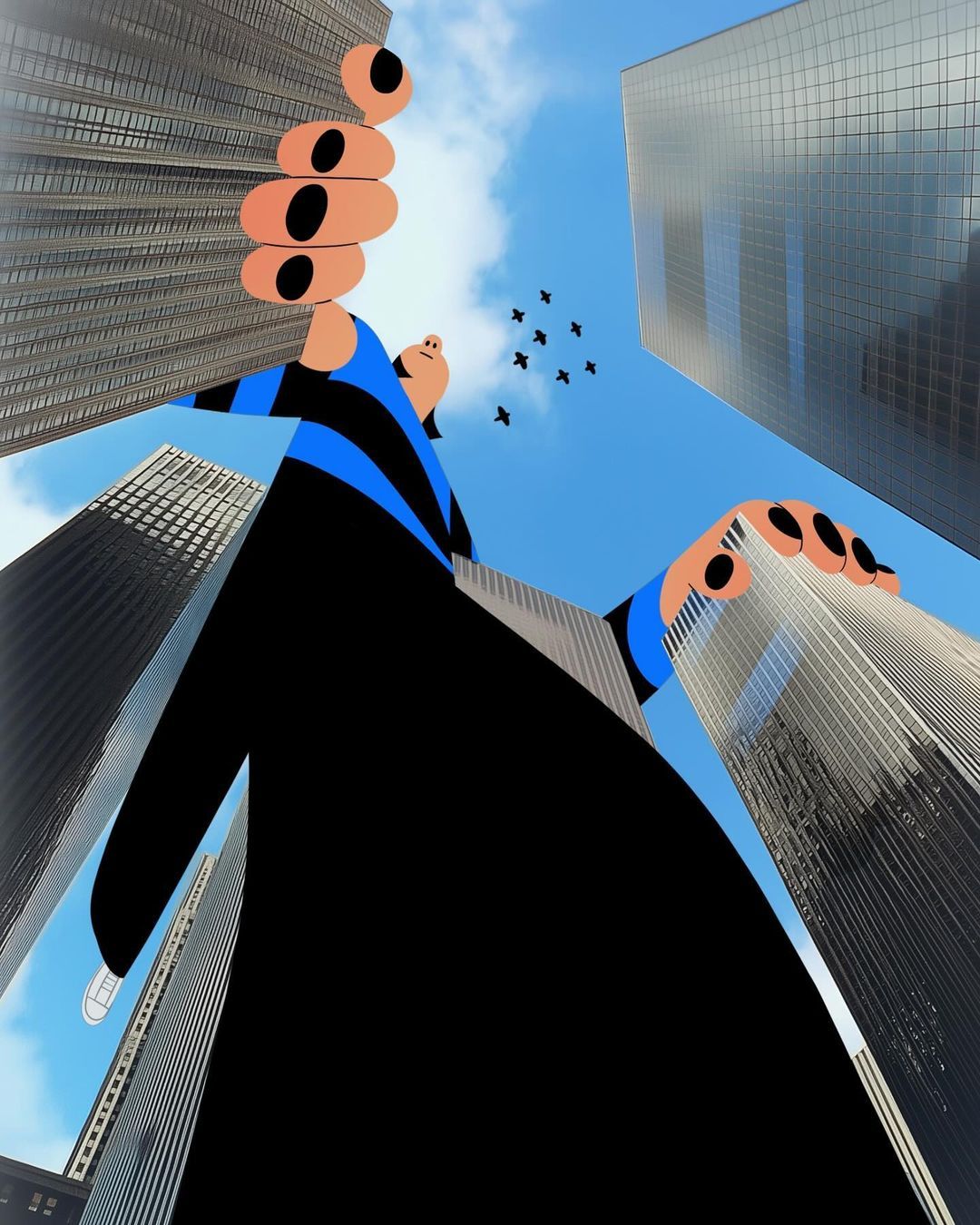
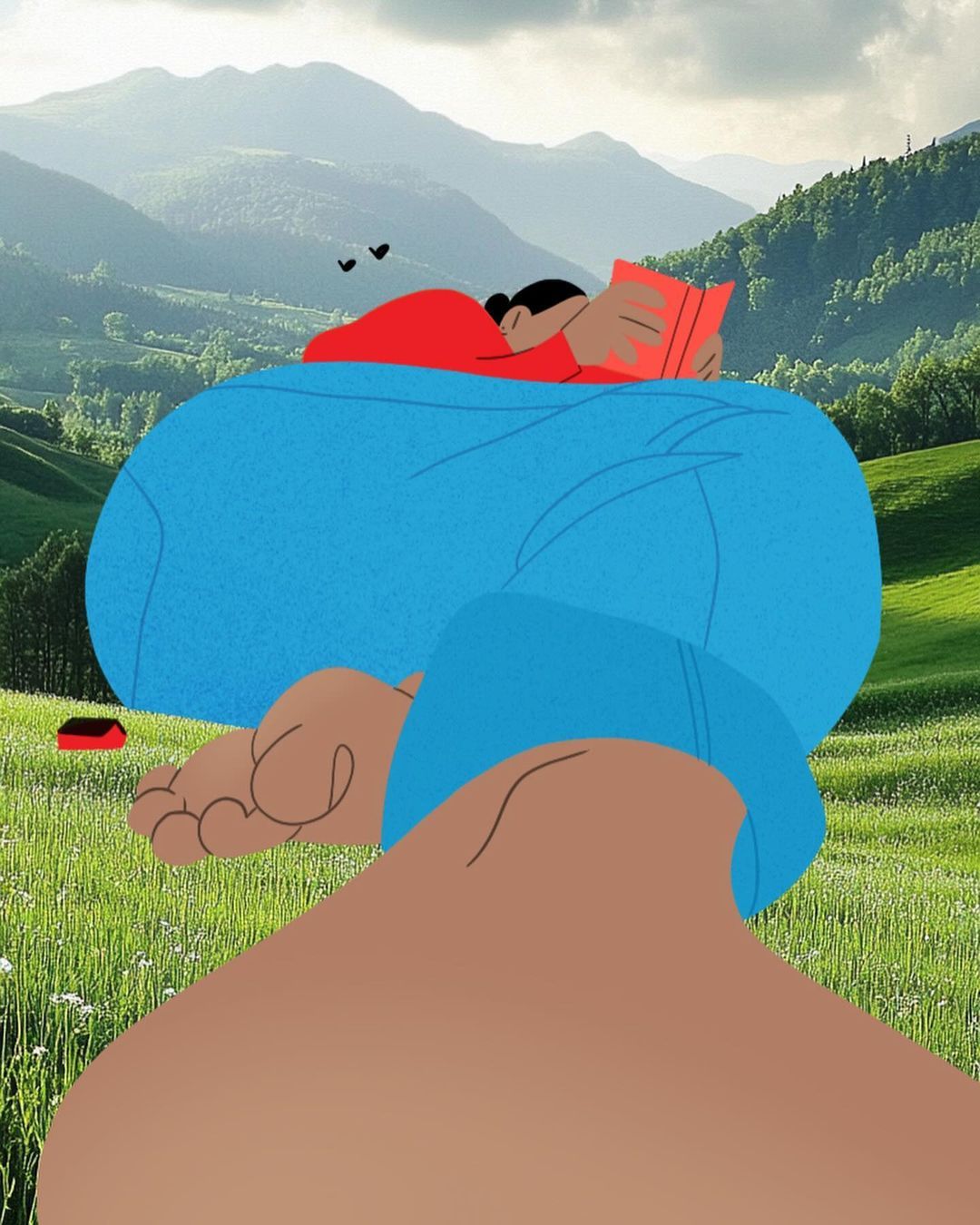
You are the pioneer of a style that sparked a real global trend - defined by figures with exaggerated proportions and forced perspectives. Did you ever think your style would move the needle the way it has done? Why do you think it resonated so widely?
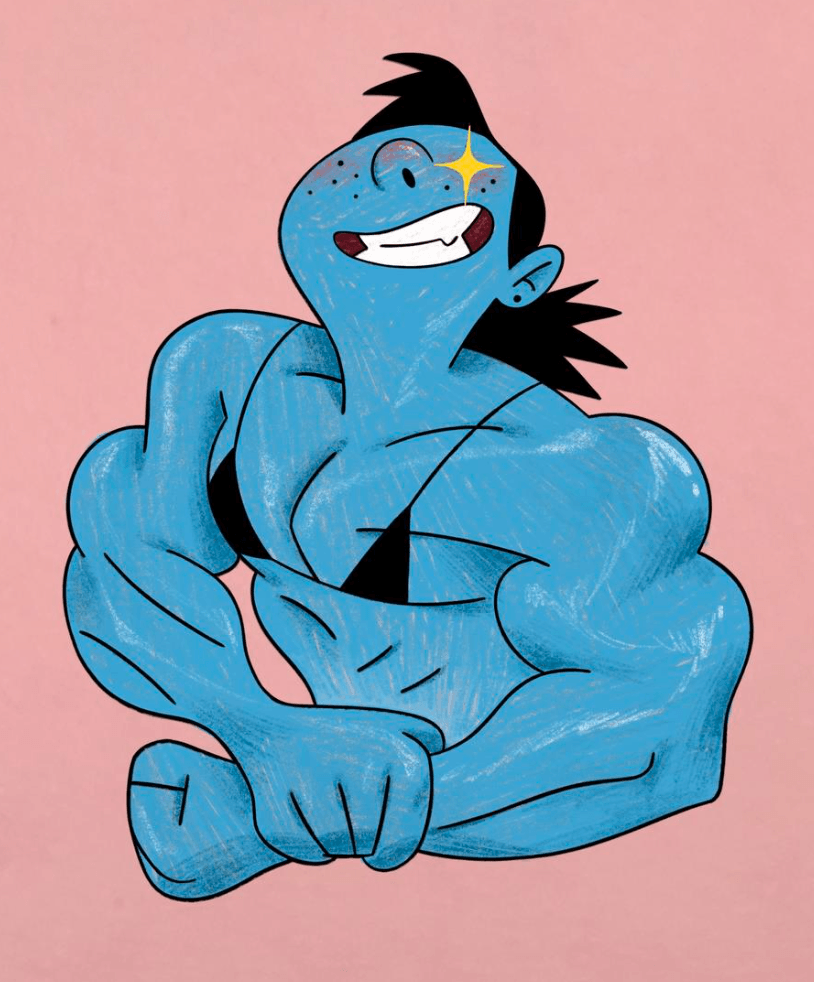
I think I was part of a style wave. I know lots of illustrators working similarly, especially when it comes to female representation and exaggerated proportions, and I think that is because we are from the same generation with similar influences and therefore create similar work and in conversation with one another. I’m happy I could be part of it and offer my take on it.
I think my style resonated with people in the industry because it is at it’s core about representation and diversity and I think a lot of companies saw that as something attractive and wanted to be part of it. Now I’m afraid I see a shift in the industry especially because of the political landscape and I don’t think as many companies put as much value on diversity, representation and inclusion.

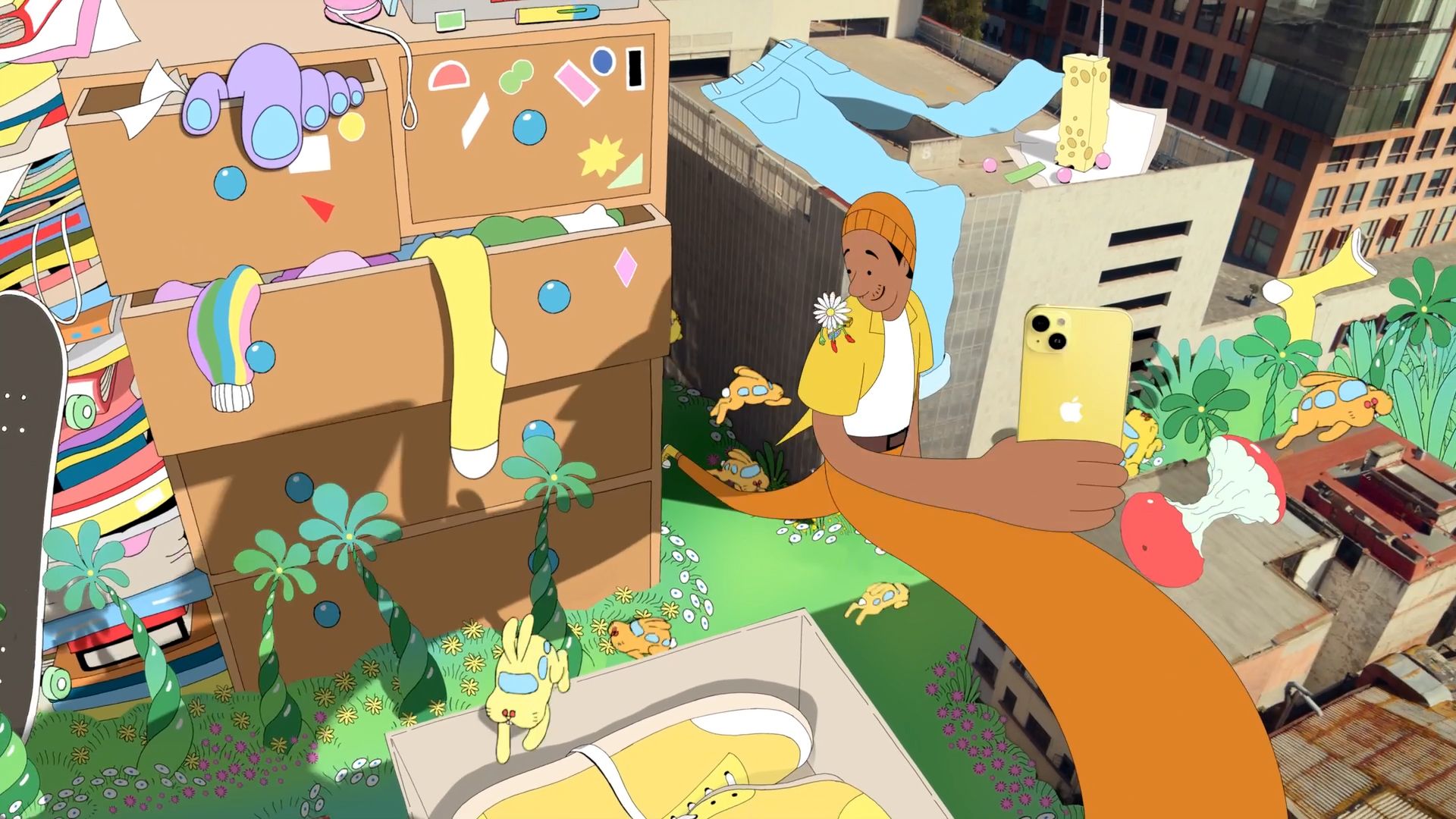
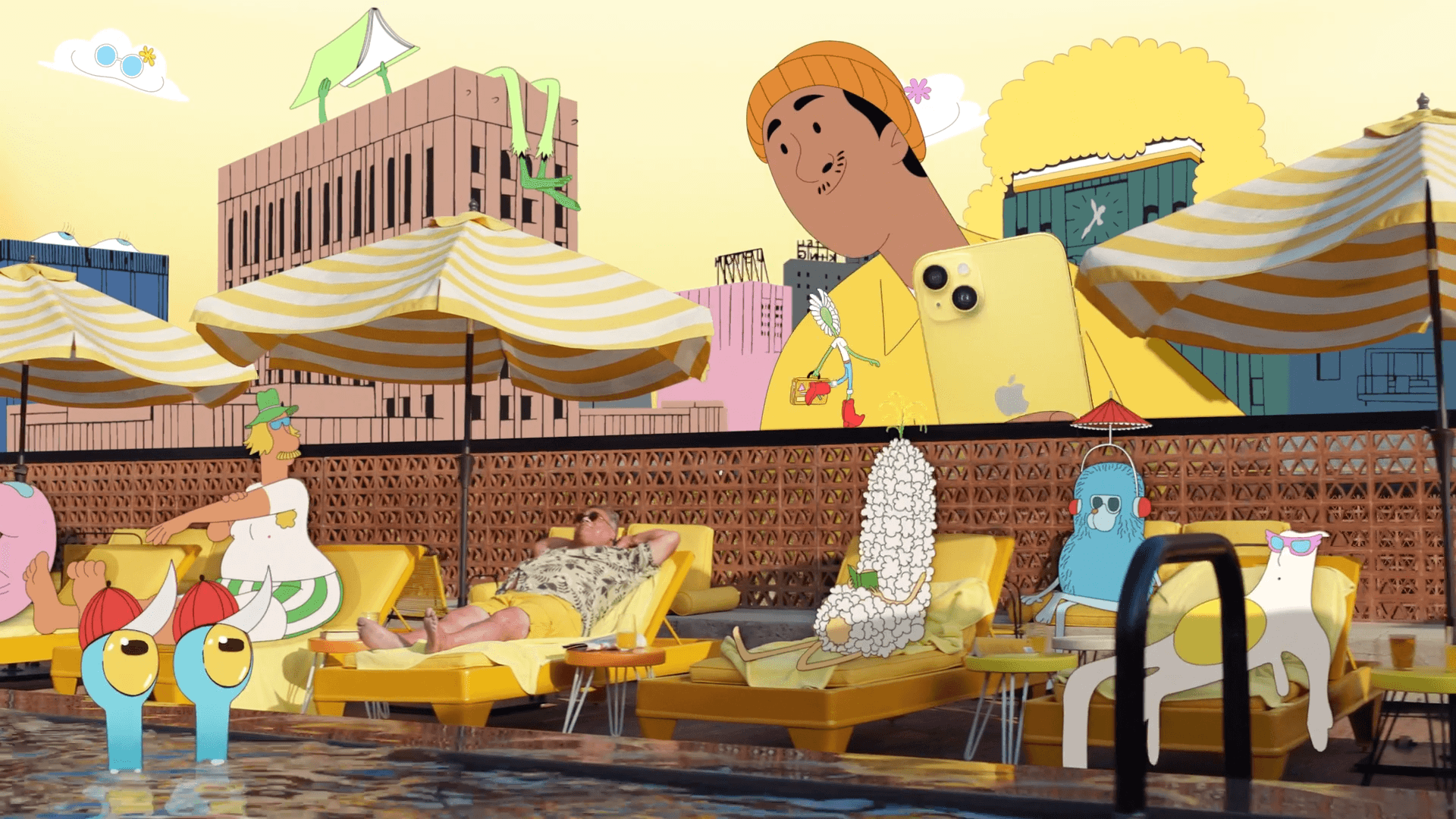
You bring an authentic point of view to your work. Was that a conscious decision early on, or something that emerged naturally from just creating?
I think my work and style has always been driven by the want to empower and show alternative ways of representing different gender expressions. It might not be visible to everyone that looks at my work and, depending on the project, it is more or less visible. But it’s always at the core of my design process. And something I always consider when approaching a brief or when working on personal projects.
How do you protect your point of view when you're working to a commercial brief? Especially from a very large brand.
I think I have been commissioned a lot because of my point of view. There have of course been instances when I’ve had to dull it down a bit or tweak things but most of the time that hasn’t been the case.
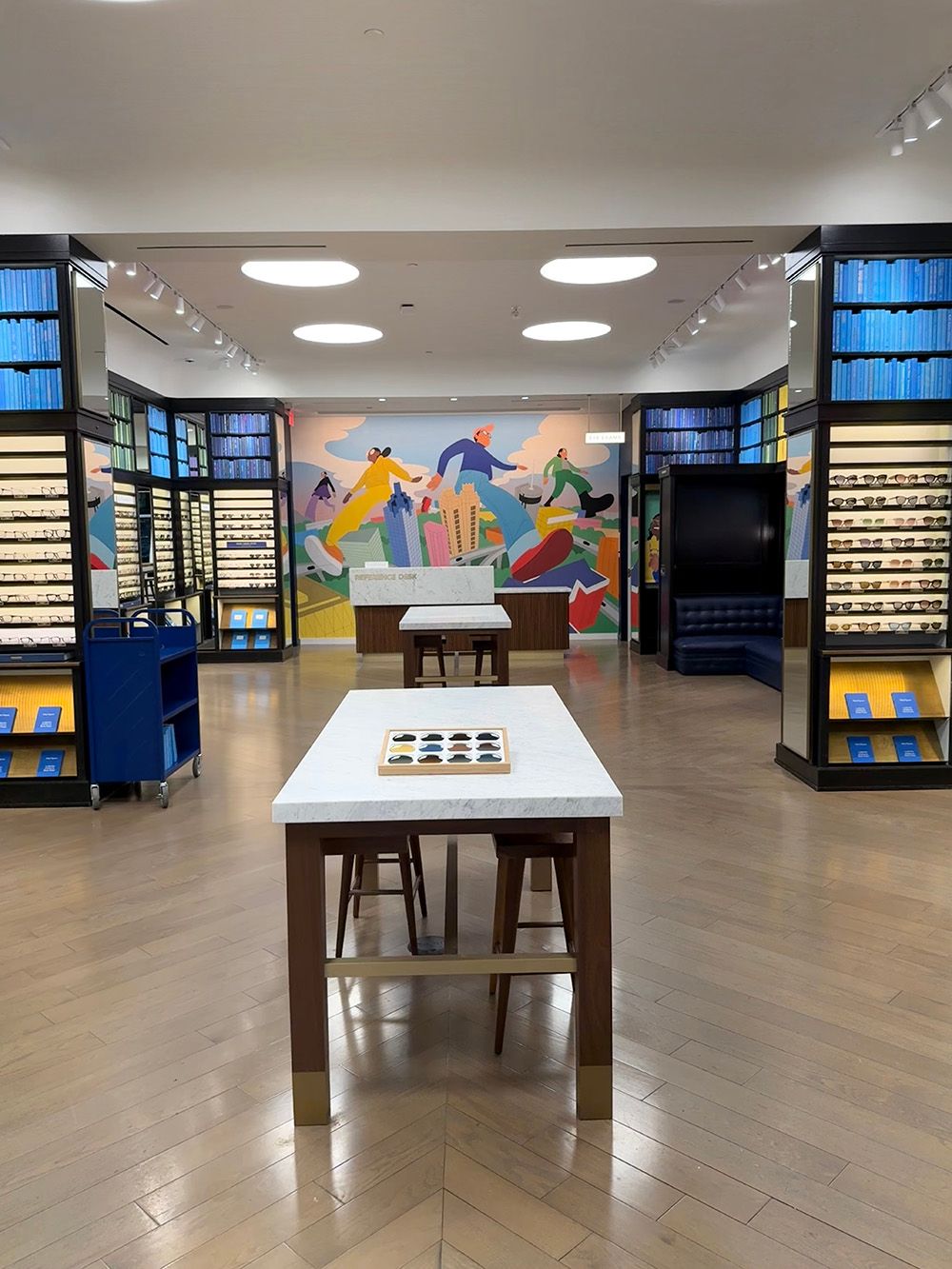

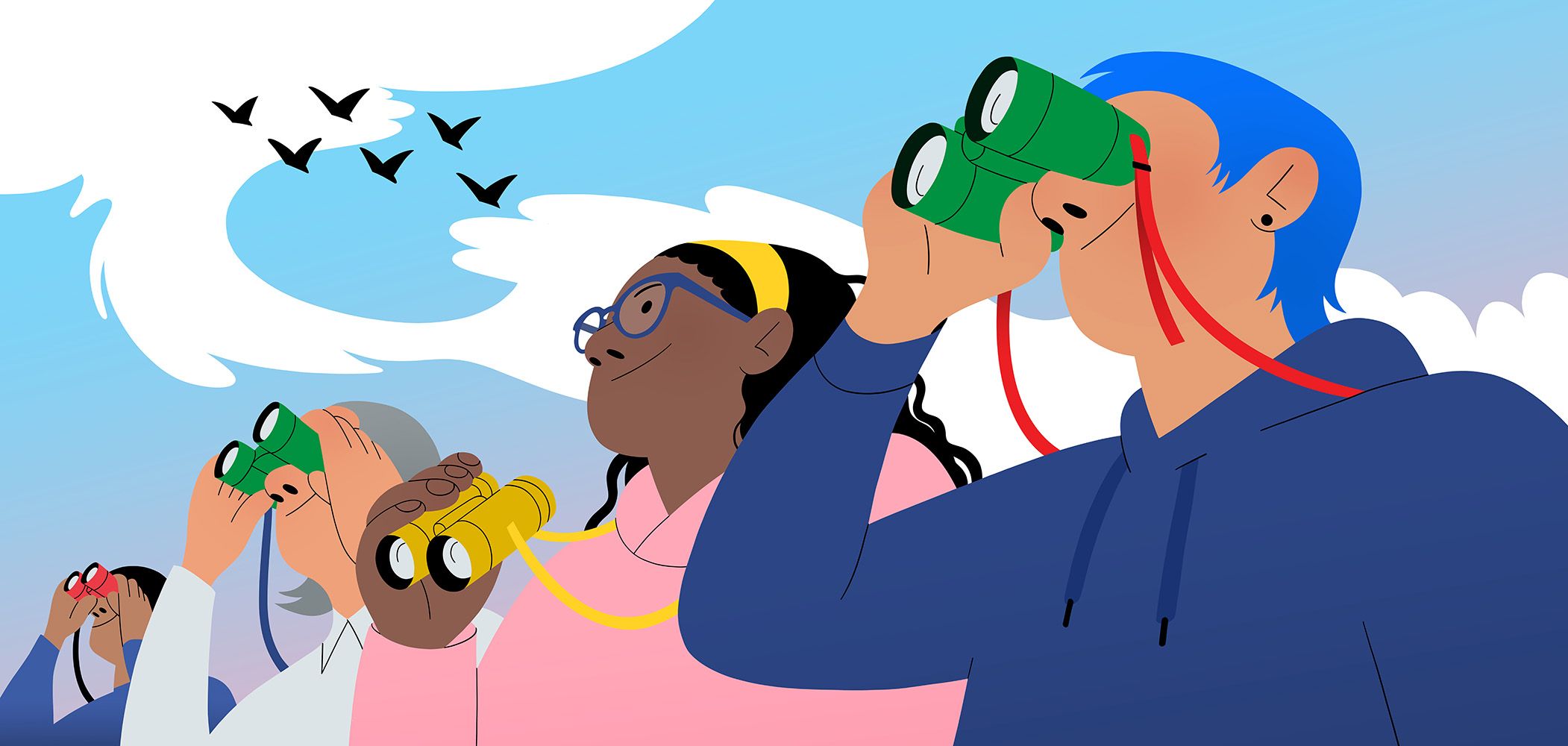
Some illustrators worry that having a strong personal perspective will limit their commercial appeal. What has your experience been?
It has not limited me at all - rather the opposite. But like I mentioned earlier, there might be a shift in the industry now so I’m not sure anymore. Saying that, I think in the end the pendulum will swing back! I want to stay hopeful.
What was the first commission that made you feel like the industry had really understood what you were trying to do?
The first commission I got with the Guardian was very important to me. I was still in the last year of my bachelors and it was like a stamp of approval for me. Proof that I can work in this industry.
For someone about to apply to Ones to Watch, what do you think actually makes an emerging illustrator stand out, beyond technical skill?
I think what will make you stand out is your personal point of view. Your influences, inspirations, interests and experiences will shine through in your work and will make your work unique to you. That is your biggest strength. So try to focus on what you love to do and keep doing it!
Looking ahead, where do you want to take your practice? And what do you hope emerging illustrators through schemes like Ones To Watch will bring to the industry?
I want to work more with comics and graphic novels. Comics have always influenced my work but I haven’t fully explored the medium myself so I’m excited to do that more and see where it takes me!
I hope and believe that emerging illustrators will bring back the craft to the industry. When I say craft I mean the hand-made, human-made, the processes and the experiments. I already see that shift in the industry and I just hope it keeps going with full force!
See more work from Alva here.
Find out more about applying for Ones To Watch 2026 here.