Is "Collaboration" the New Industry Buzzword?
Creative Agent Larisa reflects on brand storytelling and the power of collaboration at Under Consideration’s In House In Focus In Person Conference 2026 in Chicago.
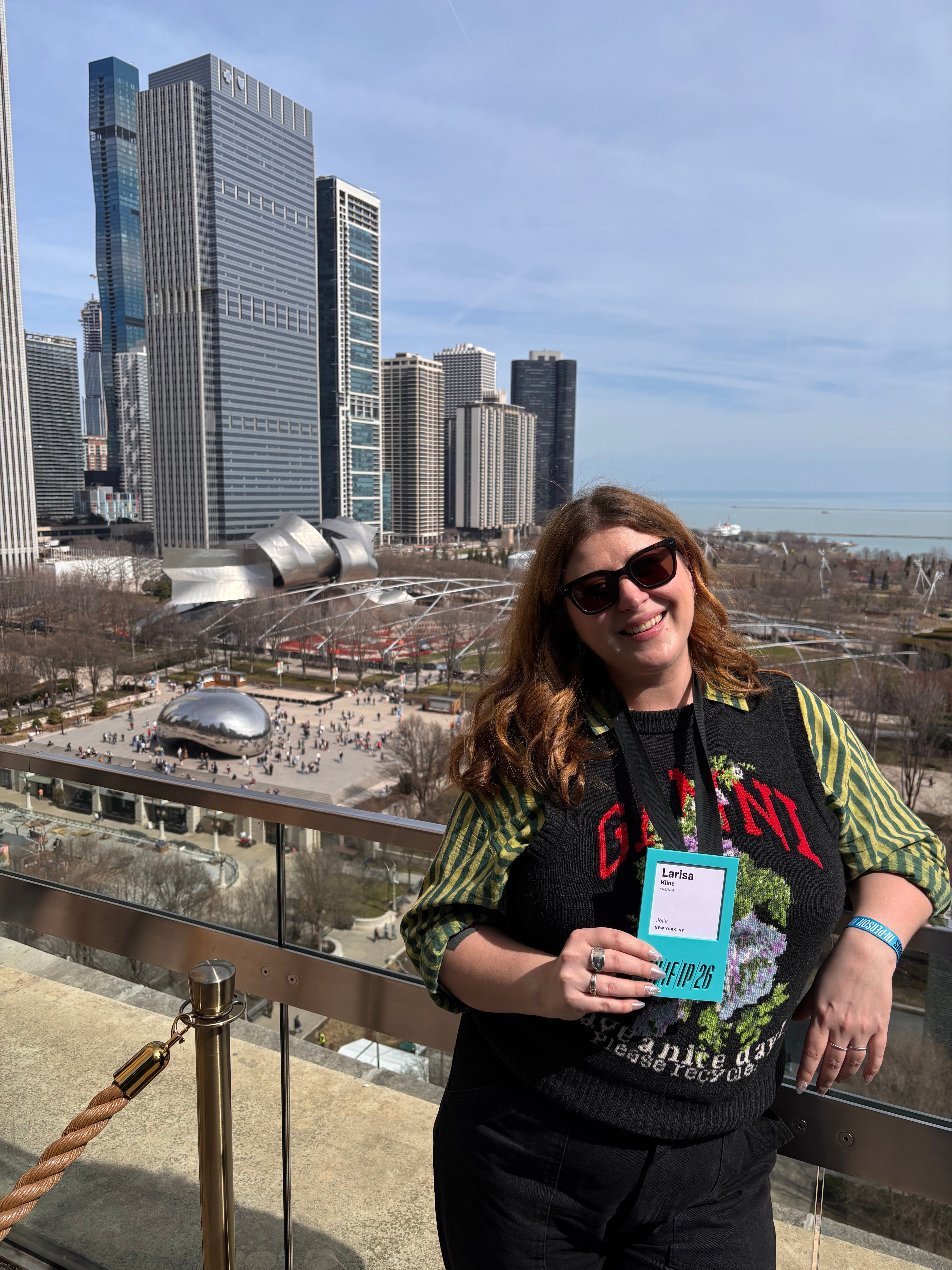
There wasn’t an official theme to Under Consideration’s In House In Focus In Person Conference (IHIFIP), but if I had to choose one, it would probably be “collaboration.” I heard the word over and over throughout the second annual, two-day event in Chicago. Although I usually eye-roll at marketing buzzwords like “synergy” or “growth hacking,” I wasn’t annoyed by this one. It was refreshing to hear heads of departments not only acknowledge, but emphasize the importance of their teams, their brand partners, and how they couldn’t create the work they do alone.
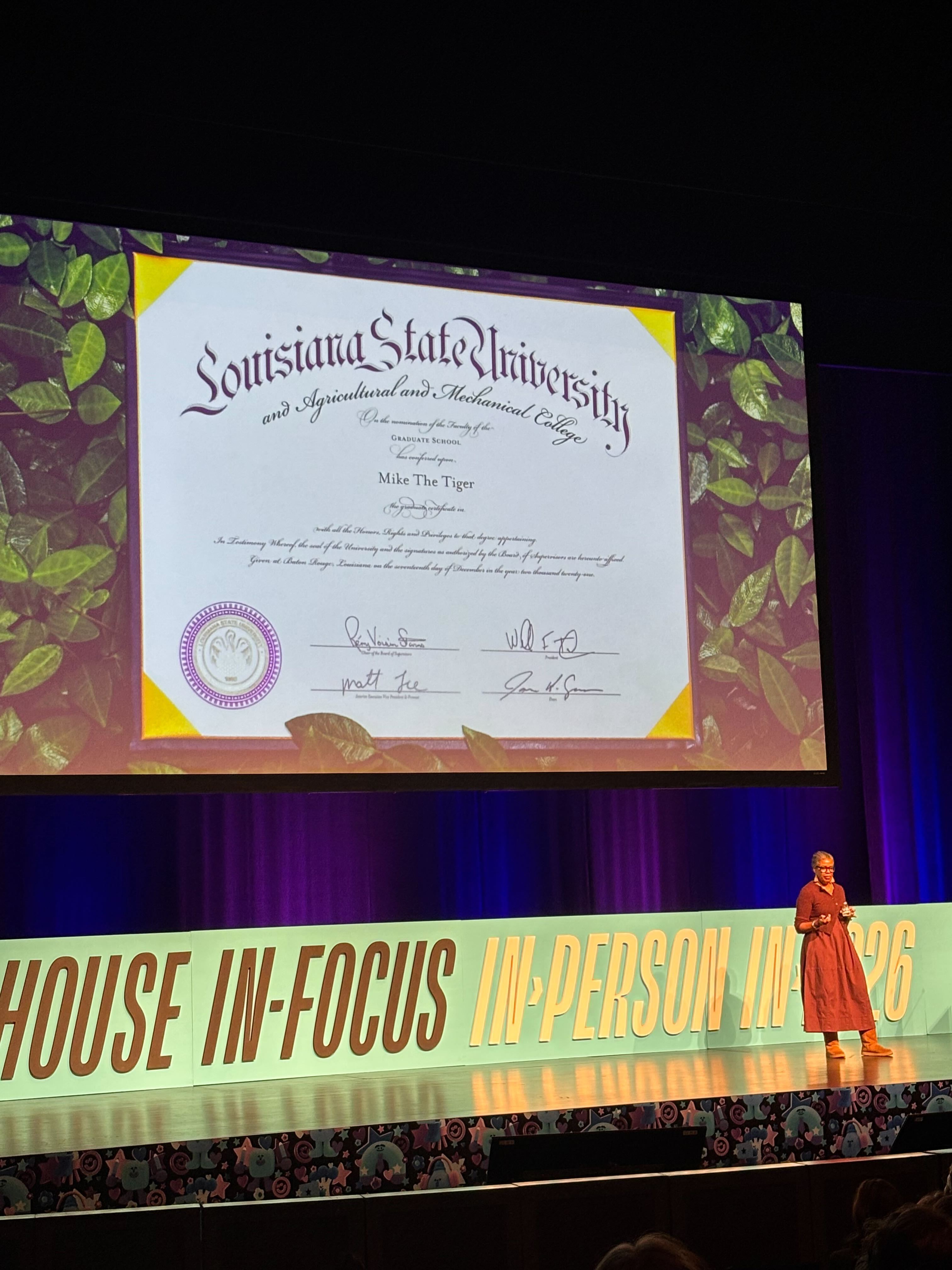
“Collaboration” is even related to how departments within a brand can help lift each other up. Jewel Hampton, the Design Director for Louisiana State University (LSU), noted that because of the world-renowned success of their athletics department, they have been able to harness that success and highlight other departments within the university. Rather than have the medical school work in competition with the athletics department and have a whole High School Musical-esque rivalry, they collaborate. Hampton’s team strategized to feature commercials for LSU’s medical programs during the largest football games of the season. Not only is the timing important, but also the energy of the spot. They’ve leaned into the intensity of the sport, that all or nothing energy, and the commercials mimic that same anxiety-inducing dynamism in order to keep audiences just as engaged with the spot as they are with the Big Game.
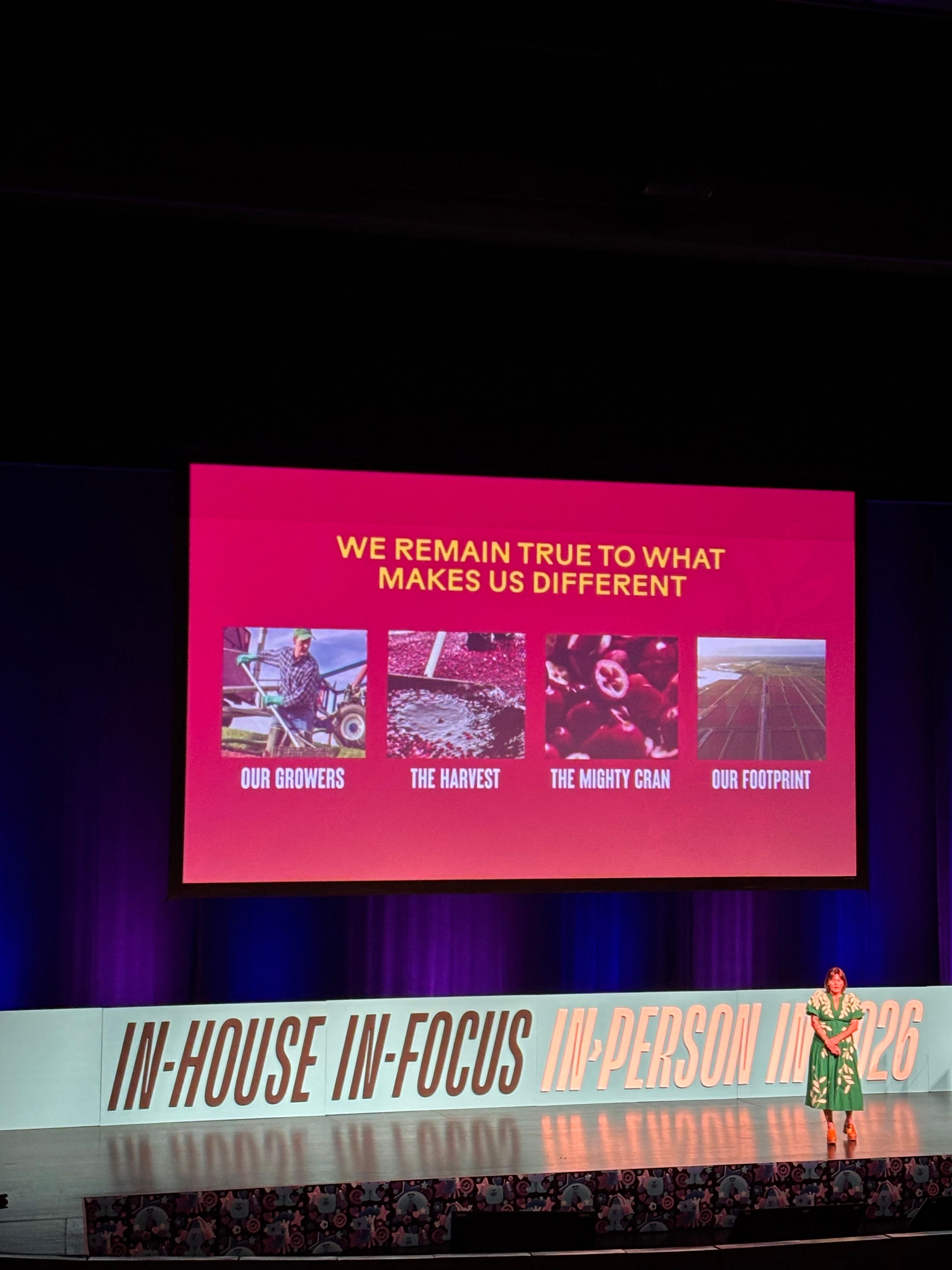
Collaboration seems to be the secret to success for legacy brands as well. Ocean Spray’s Director of Brand Strategy and Design, Shanna Polesovsky used her time to relay how Ocean Spray evolved after just shy of 100-years without losing its brand identity. As their social media accounts started raking in views after the now infamous @420doggface208 video, Polesovky and her team decided to lean in. With an onslaught of beverage competitors joining the market every week, Ocean Spray couldn’t solely rely on brand loyalty. Polesovsky challenged her team to consider how they can join conversations they hadn’t previously been a part of. If they don’t have access to a certain market or demographic, who could they partner with that is a part of those conversations? Who is a trusted partner in another space that could help to elevator Ocean Spray’s “flavor story”? Naturally, one of the first brand collaborations was with Absolut– because what's a more natural partner to cranberry juice than vodka?
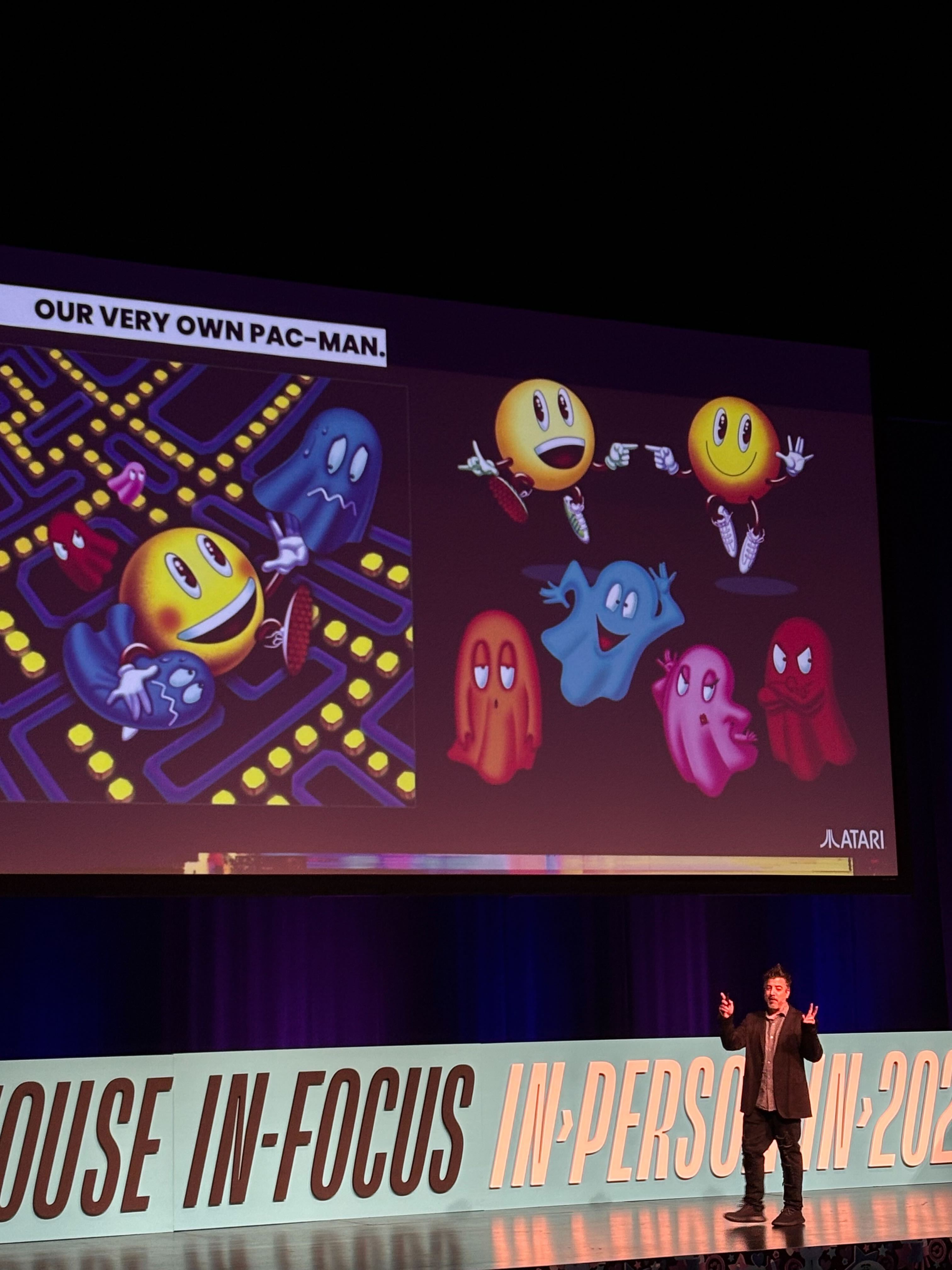
Atari’s Tim Lapetino echoed a similar sentiment. As their Creative Director, Lapetino has vastly expanded Atari’s Licensing Division.The creative team at Atari spends a ton of time mining the history of the brand, and considering what is valuable, what is irrelevant or should stay in the past. “How do we modernize the experience while maintaining the historical and experiential connection?” Lapetino continued, “Brand history is like fine china: it’s special and should be used delicately.” For Atari, that means being careful with who they collaborate with, and who they give their license to. They try to seek out partnerships that make sense for the brand– what is a story that only Atari can tell, and who can help them tell that story most truthfully?
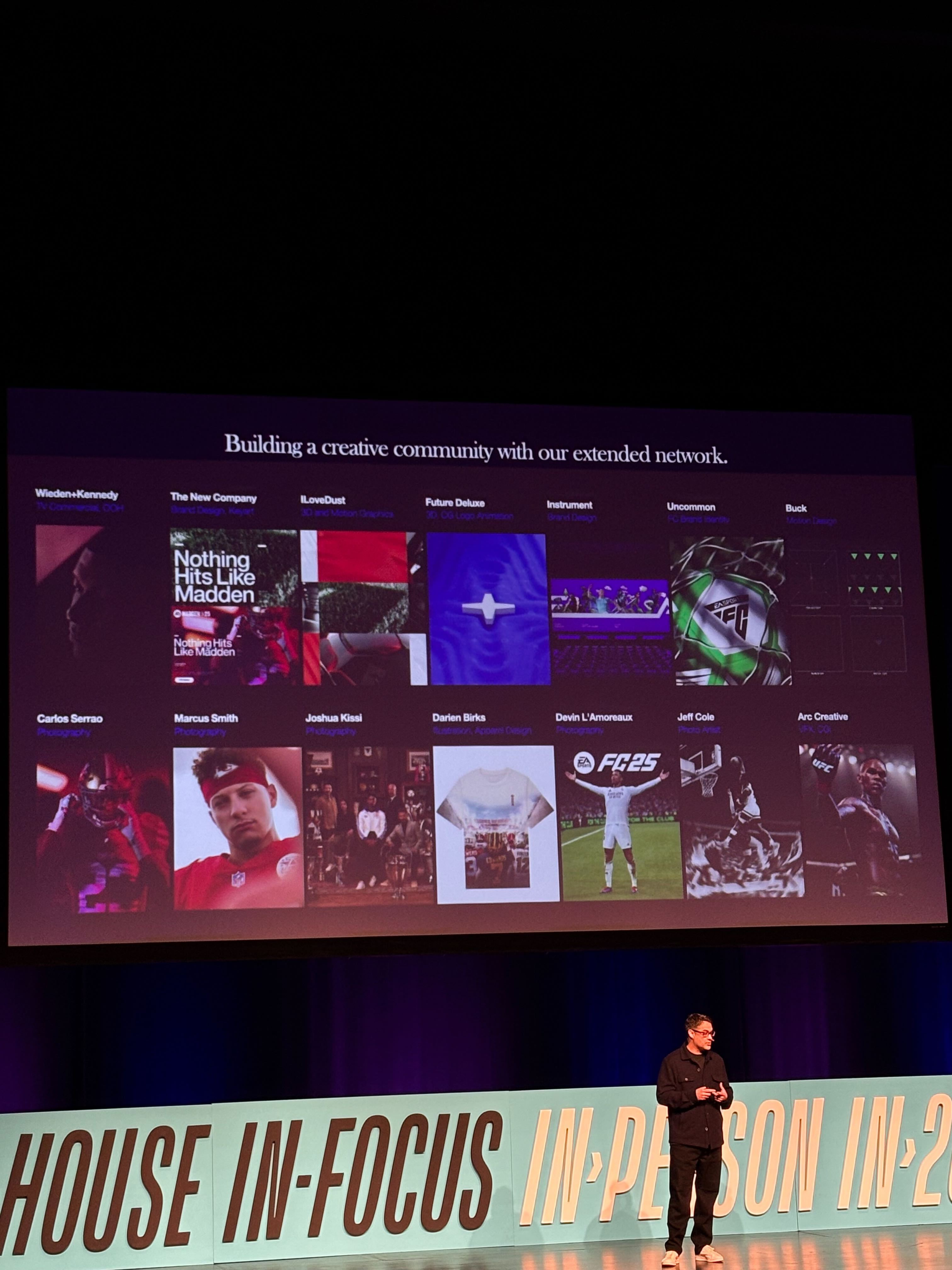
My favorite speaker of the conference was NASA’s David Rager (and not just because he gave me a super cool NASA sticker…) When I first saw the conference line-up, I was most intrigued by Rager as a speaker; like what does the Creative Director of NASA even do? Well, similarly to when we were all kids and first learned about astronauts, I think every single audience member left day one thinking, “I want to be David Rager when I grow up!”
Rager is tasked with collaboration on a greater scale than any other brand represented at the conference– how does NASA’s creative team use design to build a public narrative and make information palatable and approachable for… the entire world? How can they show the world what NASA sees? Rager’s job is often to make the invisible visible. NASA’s boss is the American tax-payer. And NASA wants to ensure that we know about all the amazing work they’re doing. But how do you show the mass scale of work they’re doing without missing the detail? How do you show the public all of this mind-boggling information, and ensure that everyone from a kindergarten student to an aging grandparent can understand and enjoy and learn?
NASA often collaborates with illustrators to depict happenings in space that they can’t yet photograph or otherwise show. They have found that horror movie posters are the best way to show some of their scarier findings (like a planet where it rains glass, sideways). They create experiential art pieces to try to capture what things feel or sound like in space, like artist David Bowen’s “Tele-present wind” which tries to explain Red Planet data recorded by NASA’s Mars Perseverance rover, or “Orbit Pavillion” which allows visitors to "hear" nineteen of NASA's Earth science satellites pass over them. And just an FYI, collaborating with artists isn’t new for NASA, Rager is merely shepherding the great tradition. Back in the late 1960s, NASA invited artists like Andy Warhol and Robert Rauschenberg to observe and find new ways to tell NASA’s story. (You can read about some of it in Carolyn Russo’s The Ascent of Rauschenberg.)
Under Consideration’s IHIFIP was a fantastic reminder that in-house marketing teams aren’t just a department within an organization, they’re a partner. They live and breathe the brand every single day, and are best suited to tell the brand’s story. And when brands collaborate (whether internally between departments or with an outside partner), they can create something even greater than they can alone.