PoV: We took taste for granted. Now we’re paying for it
What does it actually mean to have taste, and are we doing enough to hold onto it? In an industry drowning in content, our Senior Creative Agent Leah Airey thinks these are question the industry shouldn't ignore.
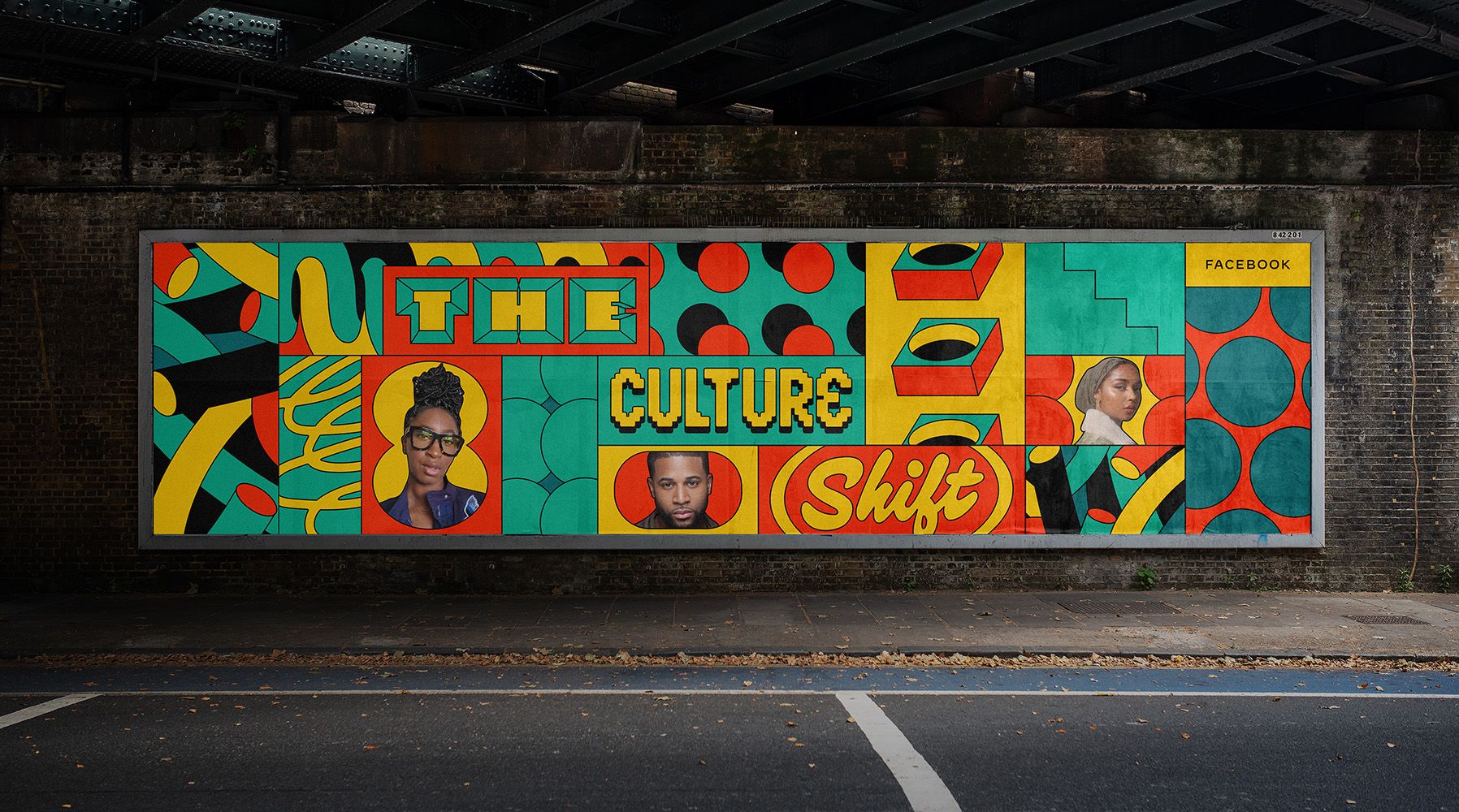
[Above: Lebassis for Meta]
When did you last stand in front of a painting for ten minutes? Without reaching for your phone. Without taking a photo. Without Googling the artist. Just looking at the art for long enough that you formed a considered opinion?
I’ve been thinking about it a lot lately, and even more since reading an article in the Atlantic about the first crisis of AI being a psychological one - about how we’ve lost the ability to trust our own judgement. In the piece, the writer talks about ‘the confidence heuristic’, which kinda conflates confidence with credibility. Essentially, we trust something because we feel confident in what we’re assessing. This happens in moments such as blindly believing someone you admire is correct on any matter - even though, in reality, they are human and therefore fallible. Or the overly abrasive man speaking louder than everyone else in the meeting room, who always seems to get the meeting room on his side, because he speaks in 80% confidence, 20% credibility. So combining the native confident tone of AI, with the fact that it’s coming from a machine (which we have a tendency to inherently trust) we have been confusing AI’s confidence with trust.
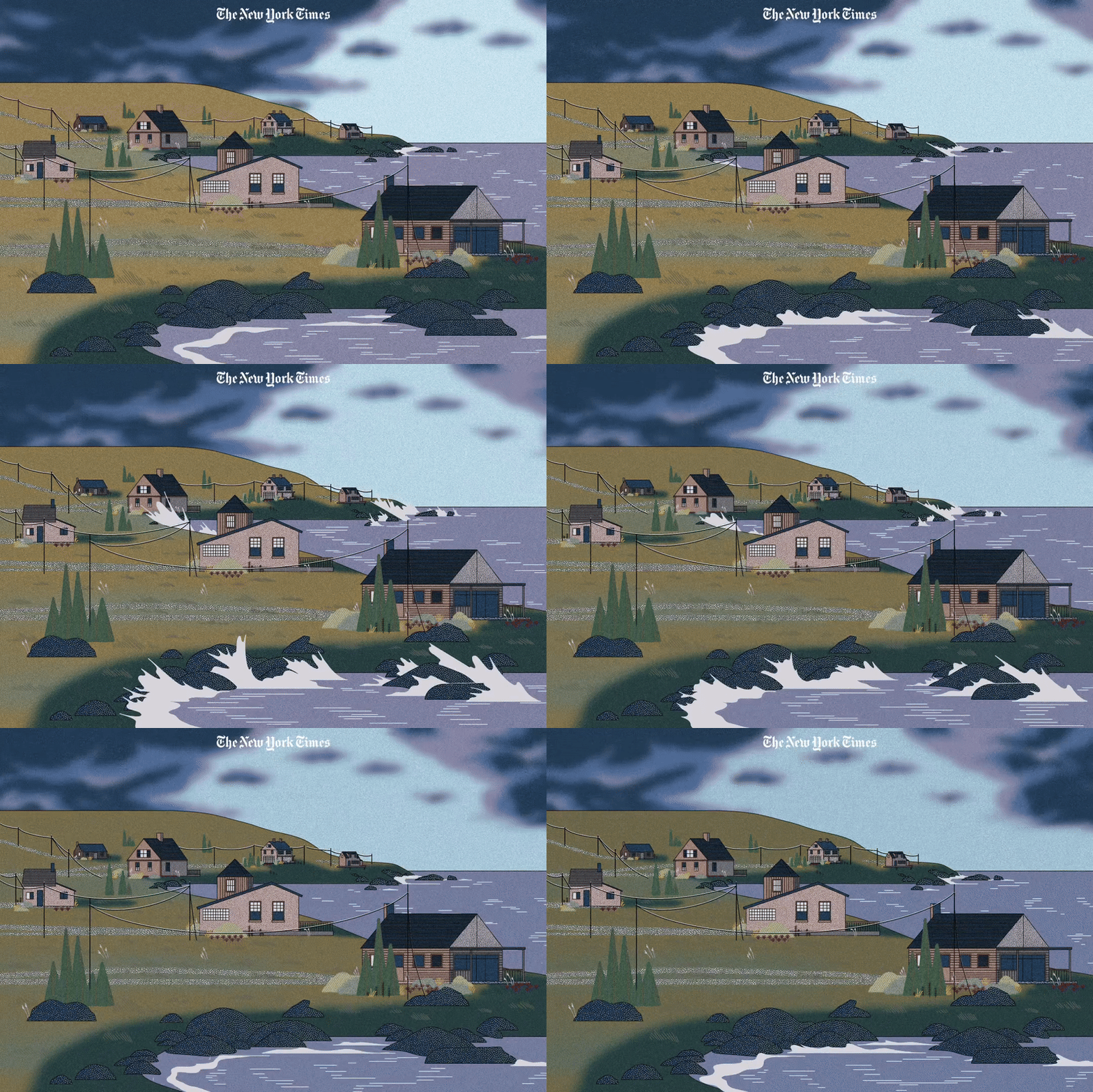
[Above: Thomas Merceron for The New York Times]
Now though, we’ve all been shown time and time again that AI cannot, and should not, be trusted. So where has that left us? Well, many of us are now starting to question how well we were able to assess situations all along; whether we knew what was real and what was good, poking at our self assurance and confidence.
Whilst the focus of the Atlantic article was about authenticity and trusting online information, we can see parallels of this crisis of confidence here in our creative bubble. It’s about courage. Are we missing out on bold, fucking brilliant work because we’re not feeling brave, or confident, enough?
We’re looking at creative work all the time. We’re consuming SO much and feel pretty confident we can tell how something has been made. But has this near-persistent flood of creative content diluted taste? We would be exhausting ourselves if we actively kept up with every artist or creative or practitioner we ever followed, but does not fully engaging mean it becomes passable, unmemorable, and disposable? We critique the work quickly enough, but are we spending enough time with creative work to know how it’s made us feel, and to understand the artist's intention? And then turning that into our commercial creative practices…
I think there are a myriad of reasons we’ve gotten to where we are in the creative industries:
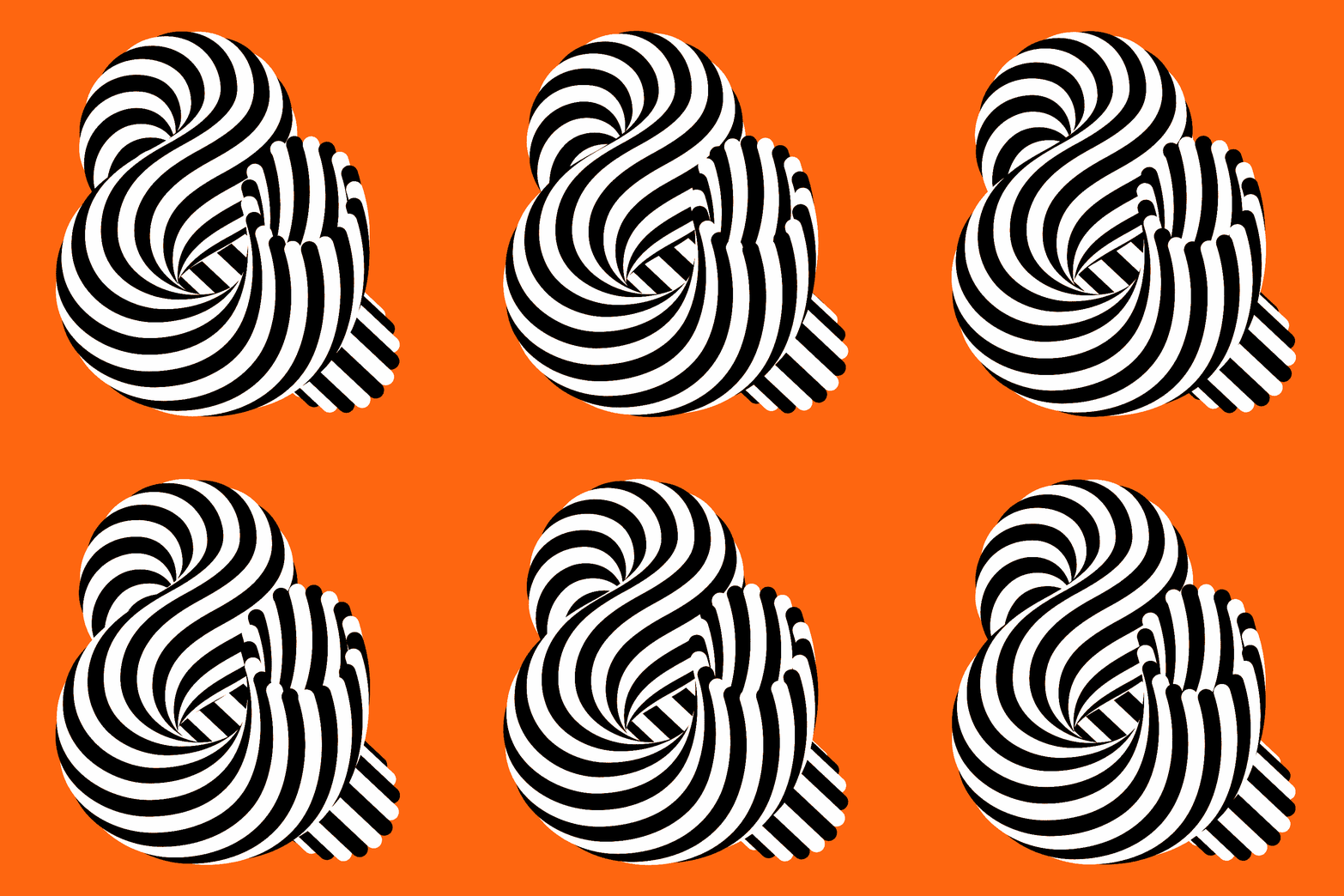
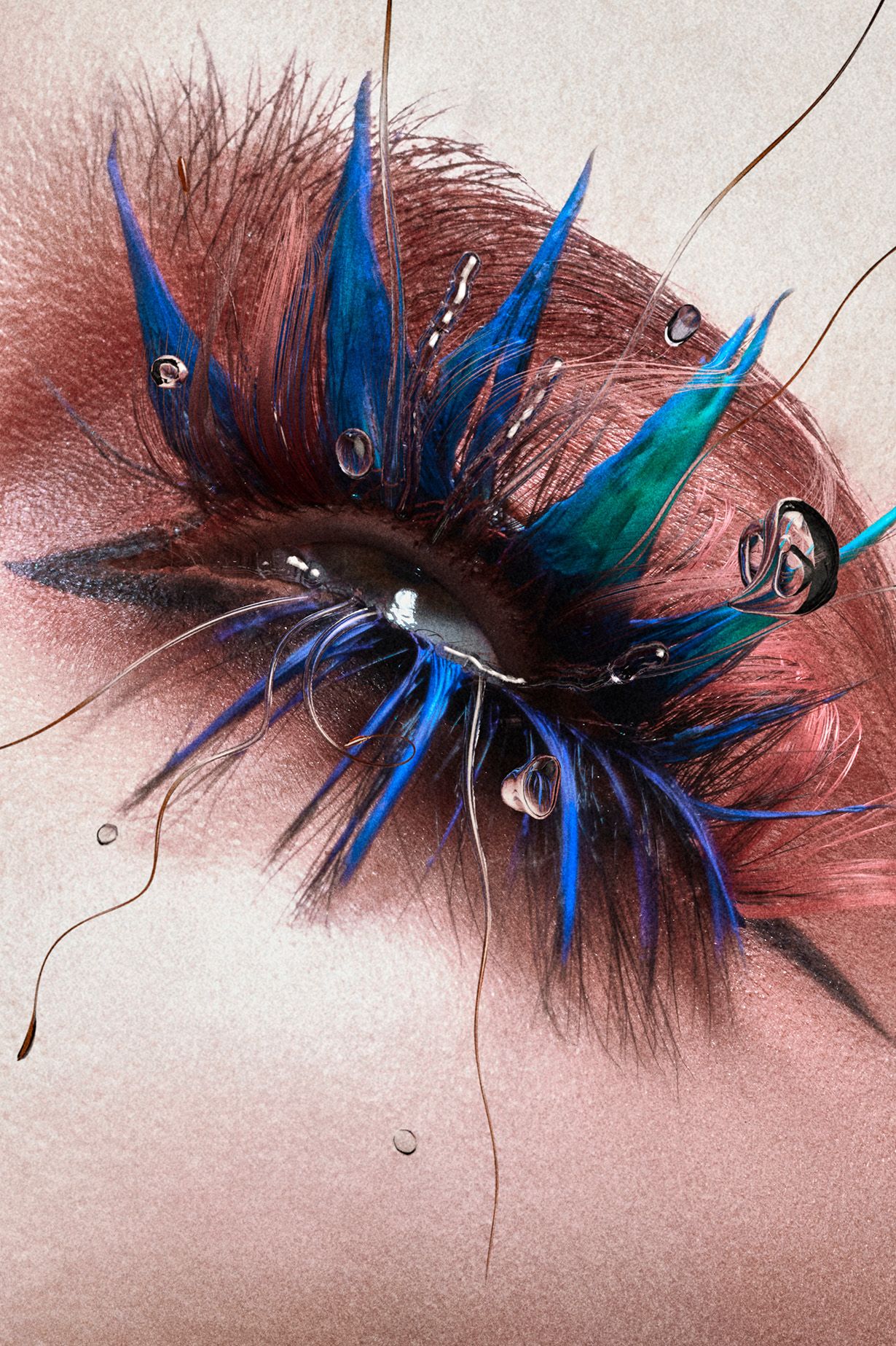
[Above L: Daniël Maarleveld, R: Lucy Hardcastle]
Time (or lack thereof)
I, along with most people, get fed nothing but optimisation reels; being told to listen to the zeigeisty podcast, whilst you’re on the walking pad, whilst you shellac your own nails, whilst on an all-hands call. All whilst, of course, wearing a GLP-1 patch. Everything compressed. Everything stacked. No wonder it’s being called the ozempic economy with this idea that time itself should be optimised and we need to make every second count. It’s so fucking exhausting.
Existing in this way is the complete antithesis of art, and of craft. The value of ozempifying is all in the redundancy of time and thinking, of conversation and effort. There’s no spending time mulling something over, no sitting with it, no not-knowing-how-you-feel-yet. The result of which inevitably leads you to having no idea at all about how you actually feel about something. It takes time to create beautiful creative work, to hone a skill or perfect a style. It deserves to be appreciated with your precious time. So, what if we subtract, slow down, maybe consume things that force us to take our time? Books, magazines, cinema, analogue media. Deliberately taking yourself around a gallery and breathing it in before pummeling your insta stories with the snaps you took. Taste is experienced, felt, downloaded - not hot potato’d onto the next. Taste comes from applying scrutiny, not criticism necessarily, but questioning why you like something. If you trust it. Does it make you feel something.
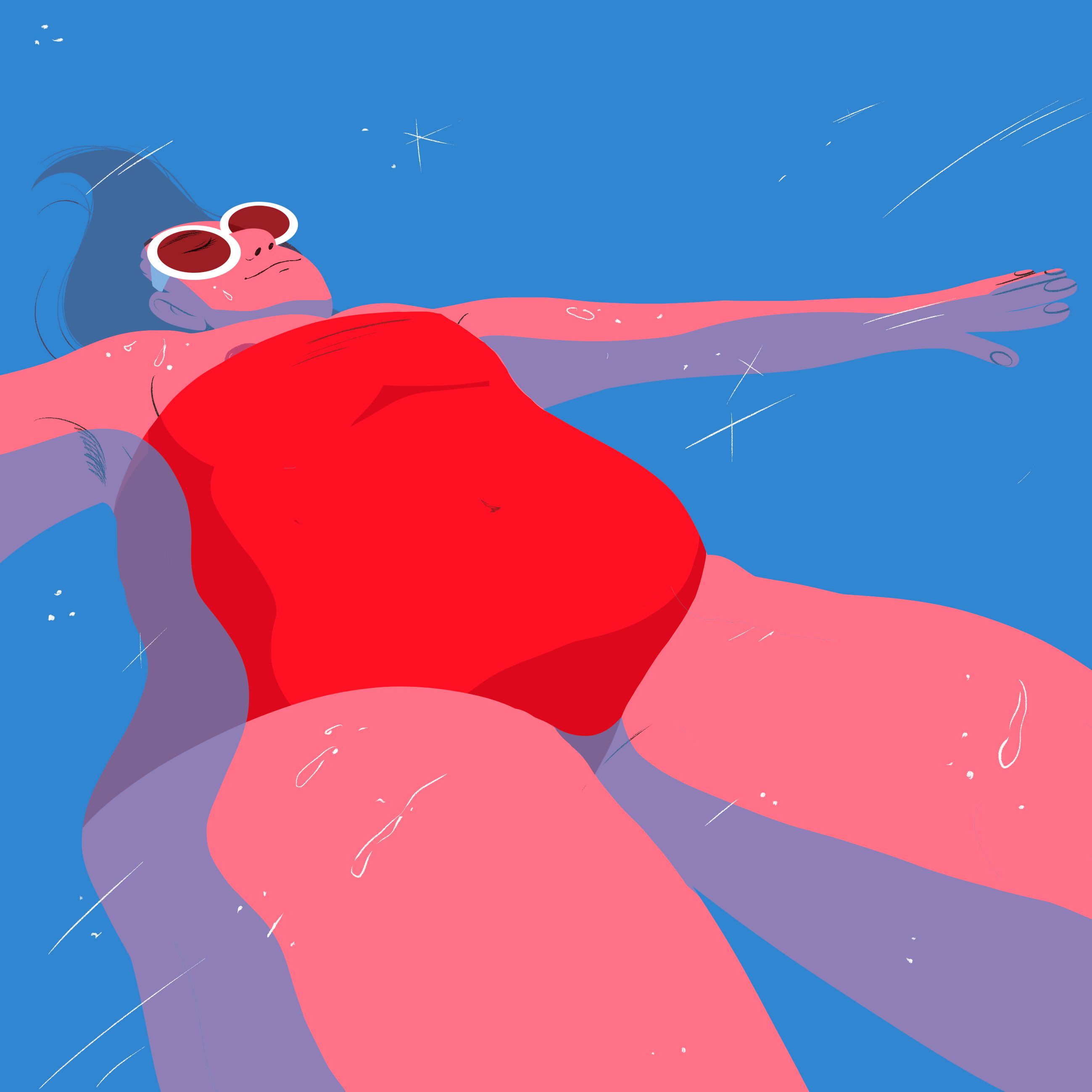
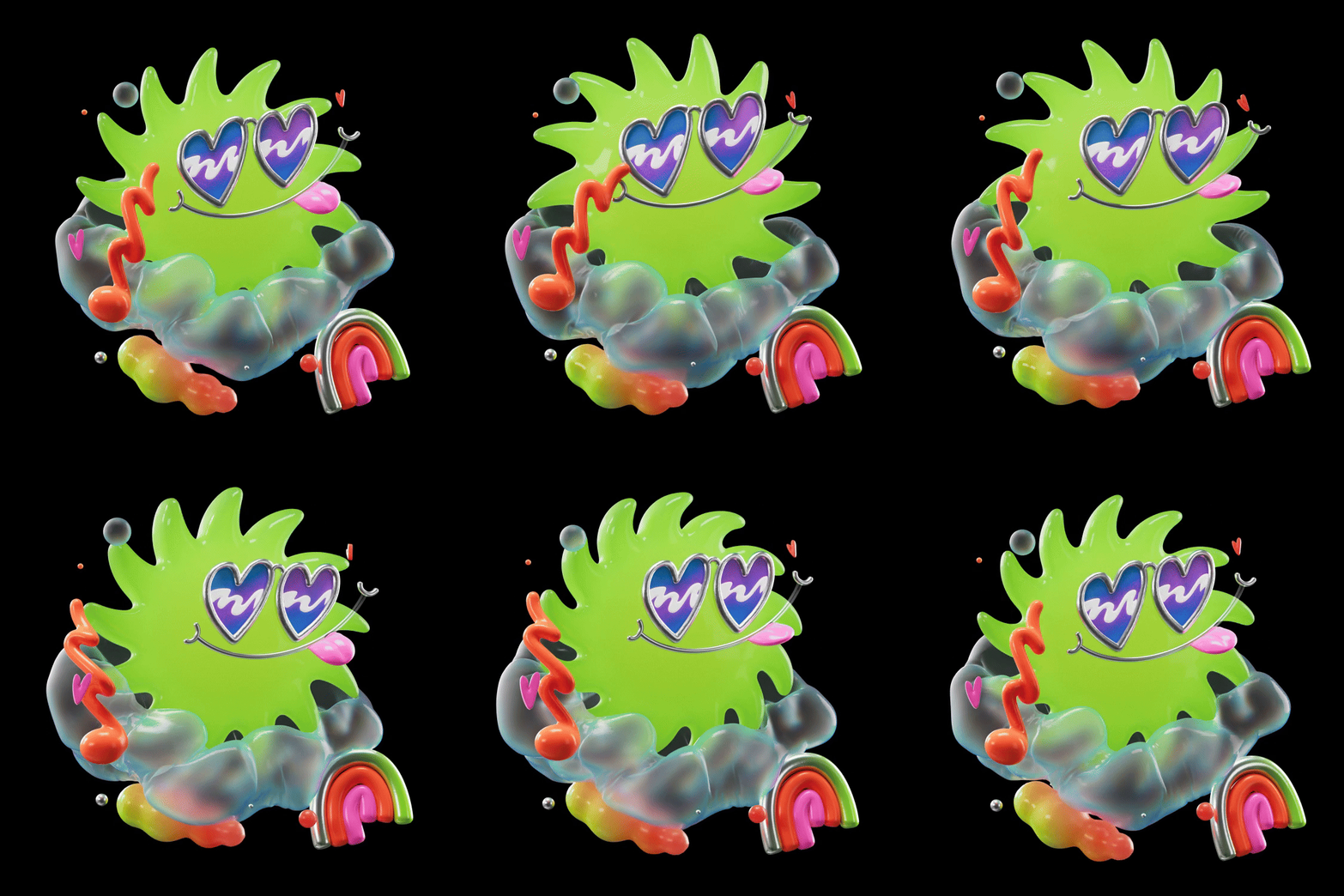
[Above L: Genie Espinosa, R: Eva Cremers for YouTube]
Depth
We scroll our taste. Mass consumption does not equal taste-building. Sometimes it feels like our end goal is to know a bit of everything instead of knowing one thing really well. And I think, if we’re honest, we’ve become a little lazy about this. There are, of course, agencies and creatives who never stopped treating taste as non-negotiable. Uncommon is an obvious example. A studio that has always understood that a genuine, developed pov is the differentiator and applied it with discipline. But they’re an exception that proves the rule. Have we at large moved away from actively maintaining taste to assuming we just absorb it in a scroll past? And are we now paying for it? Because the Ai-generated content, content for content’s sake, the sheer volume of passable, unmemorable work flooding every channel makes it harder to see clearly through it. Taste is a muscle you build, and like any muscle left unexercised, it atrophies. And given the amount of talk about taste in the creative industries now, it seems we’re only just starting to realise what a differentiator it is.
I know I'm not alone in consistently finding myself referring to ‘something I saw’ where I have taken away the intent, the creative, how it made me feel… but I can't remember who made it. To have media/social/human literacy is to know how to read what is between the lines, familiarising yourself with what is in front of you enough times that you can decipher what’s good, bad and ugly. This goes against what social media wants; for us to consume everything lightly. So we must resist and intentionally consume deeply.
In a recent read, Visual Intelligence, which I highly recommend, writer Amy E. Herman teaches the reader how to sharpen perception simply by staring at art for a long time. You can learn so much about how craft makes you feel by taking it in, without the impending flicker of ads, shares or the gamification of what might come next.
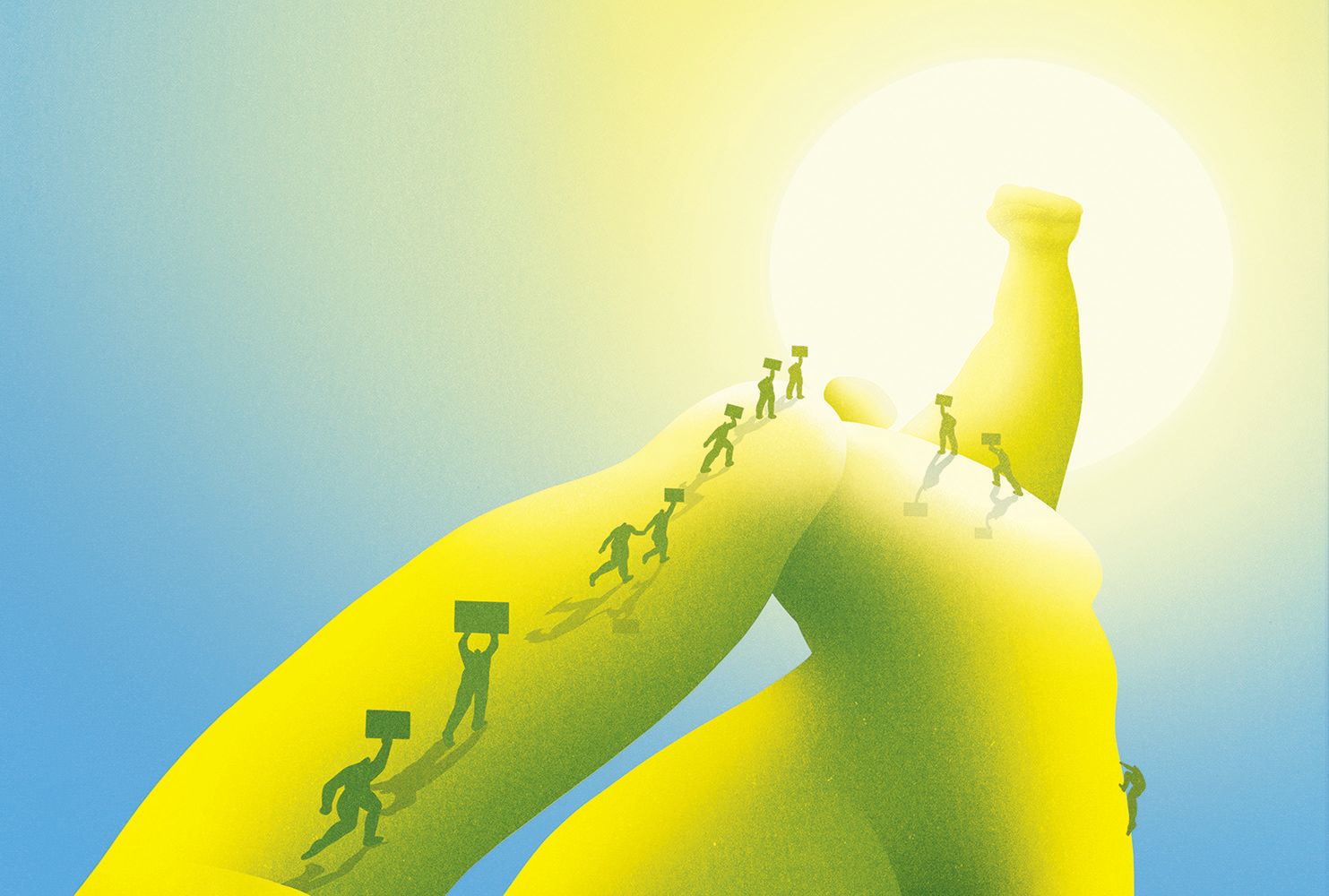
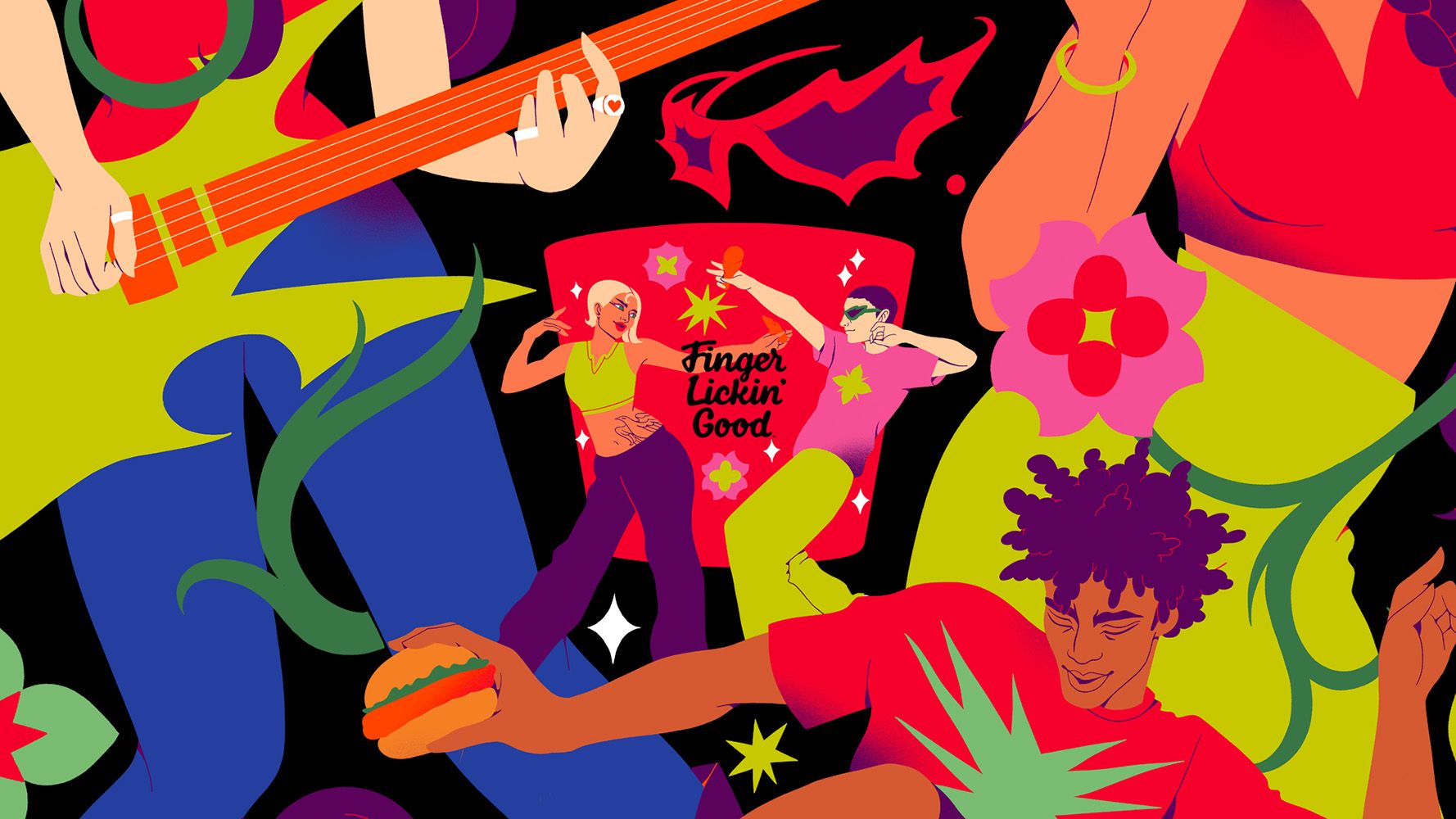
[Above, L: Hayley Wall, R: Boomranng for KFC]
Cultivation
Taste is also social. The sharpest observations I've made about work have come from standing in front of it with someone else who sees it differently. Being physically present with other creative people, in real spaces, inspires your thinking and opens your observations. There’s been a lot of demand recently for experiential moments, and that tracks.
We have to work to hold on to our taste because, it turns out, it’s not just sitting there waiting for us. Taste is a practice that’s built slowly though sustained exposure and time to process, fine tuned through intentional activity. And the people who know what they think and why they think it are the ones a whole industry takes cues from. We’re taking said cues from folk like Matt Dunn, a true creative, who spoke fantastically on this in the recent Creative Boom article, ‘How Taste Travels’, following his online session he did. His central argument is simple: “Taste isn’t fixed. It isn’t something you’re born with. It moves. It travels through culture. Through people. Through what you notice, carry, and pass on. And that changes how you approach the work.”
Ultimately, your approach to creative work is entirely dependent on how you develop taste, and how you develop taste is all about consumption. What you choose to look at, how long you stay with it, and who you look at it with.
So consume carefully, care deeply, create boldly!!
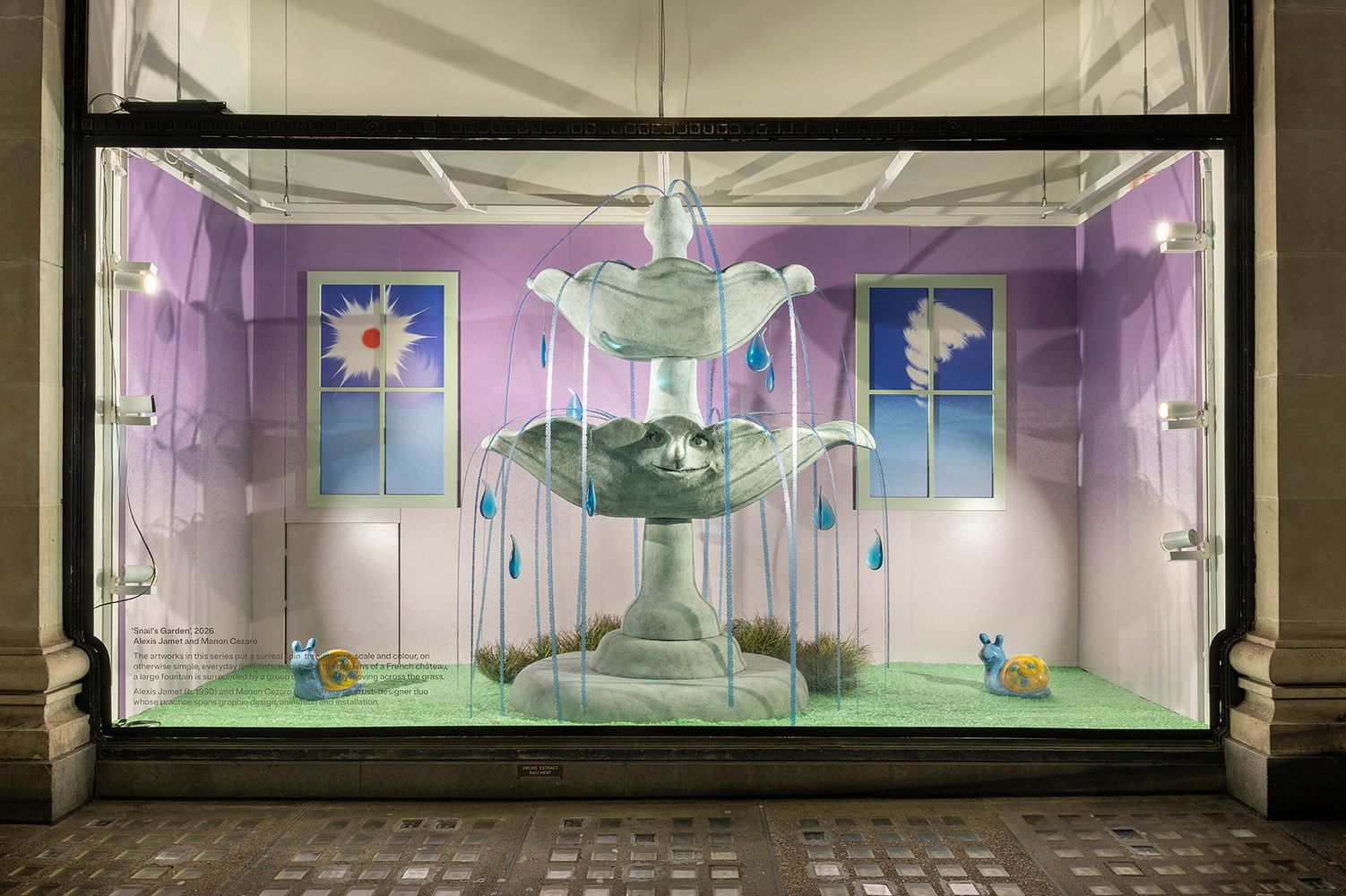
[Above: Alexis Jamet for Selfridges]
What We Do
We specialise in bold visual content and brand storytelling.