Why Visual Worldbuilding is the Ultimate IP Engine for Brands
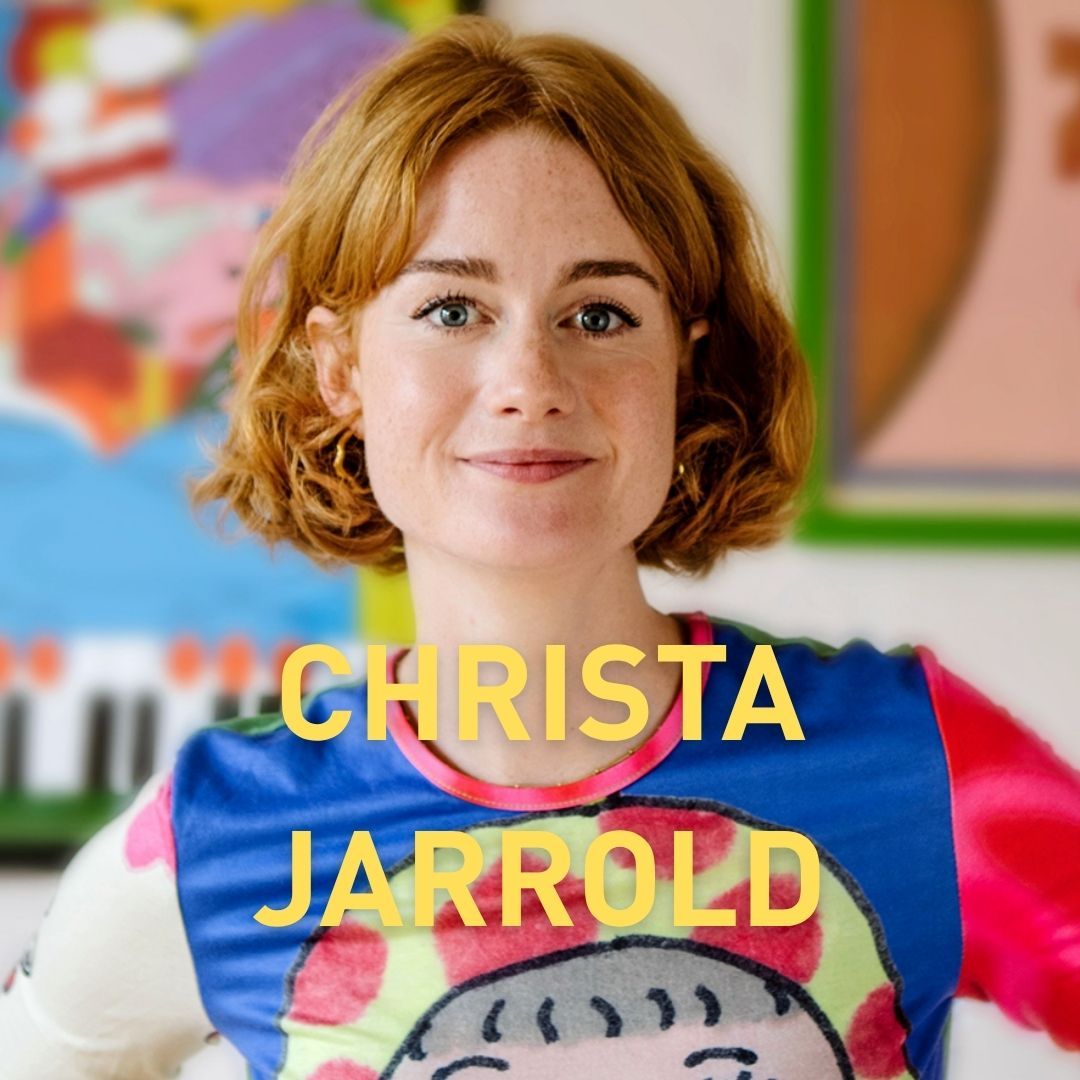
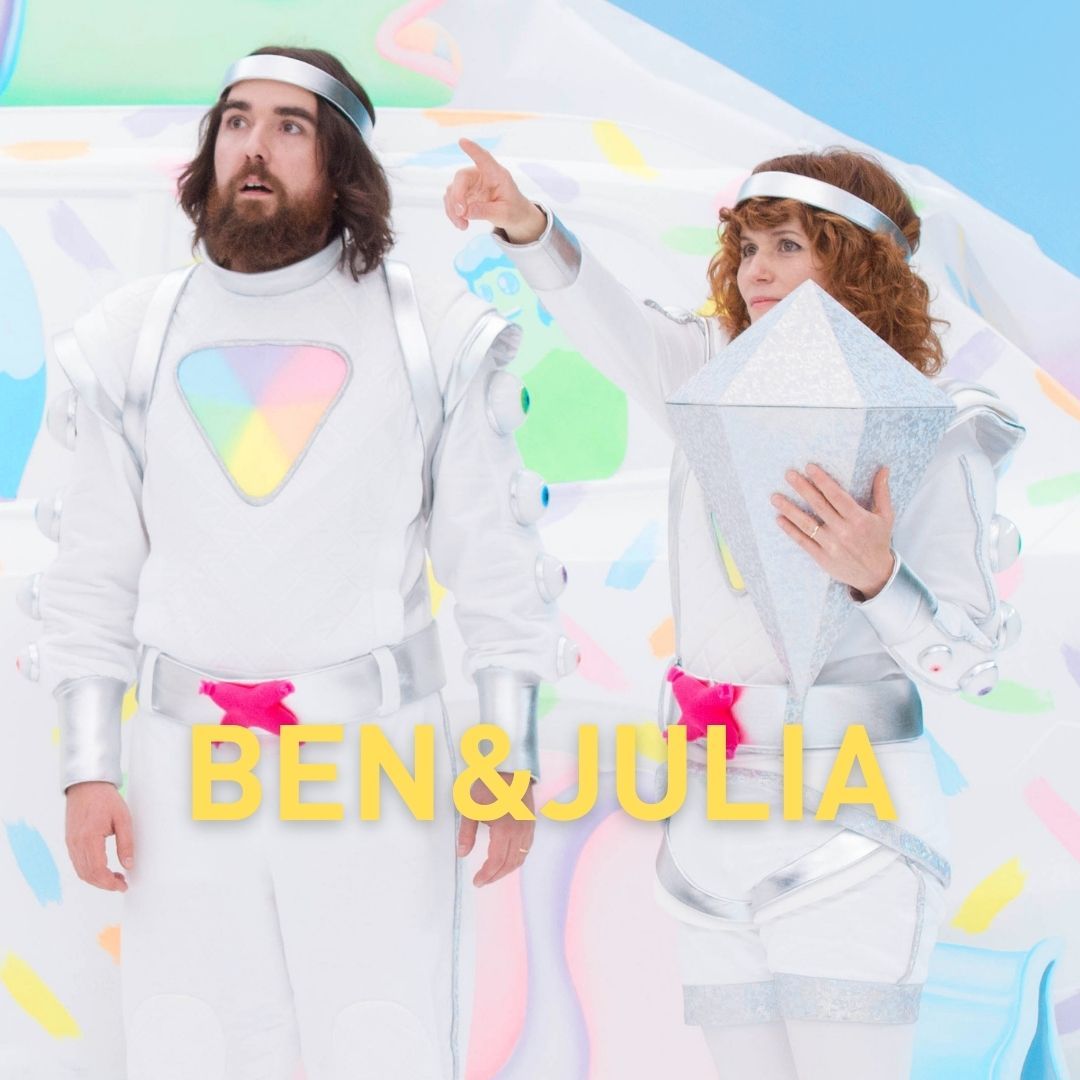
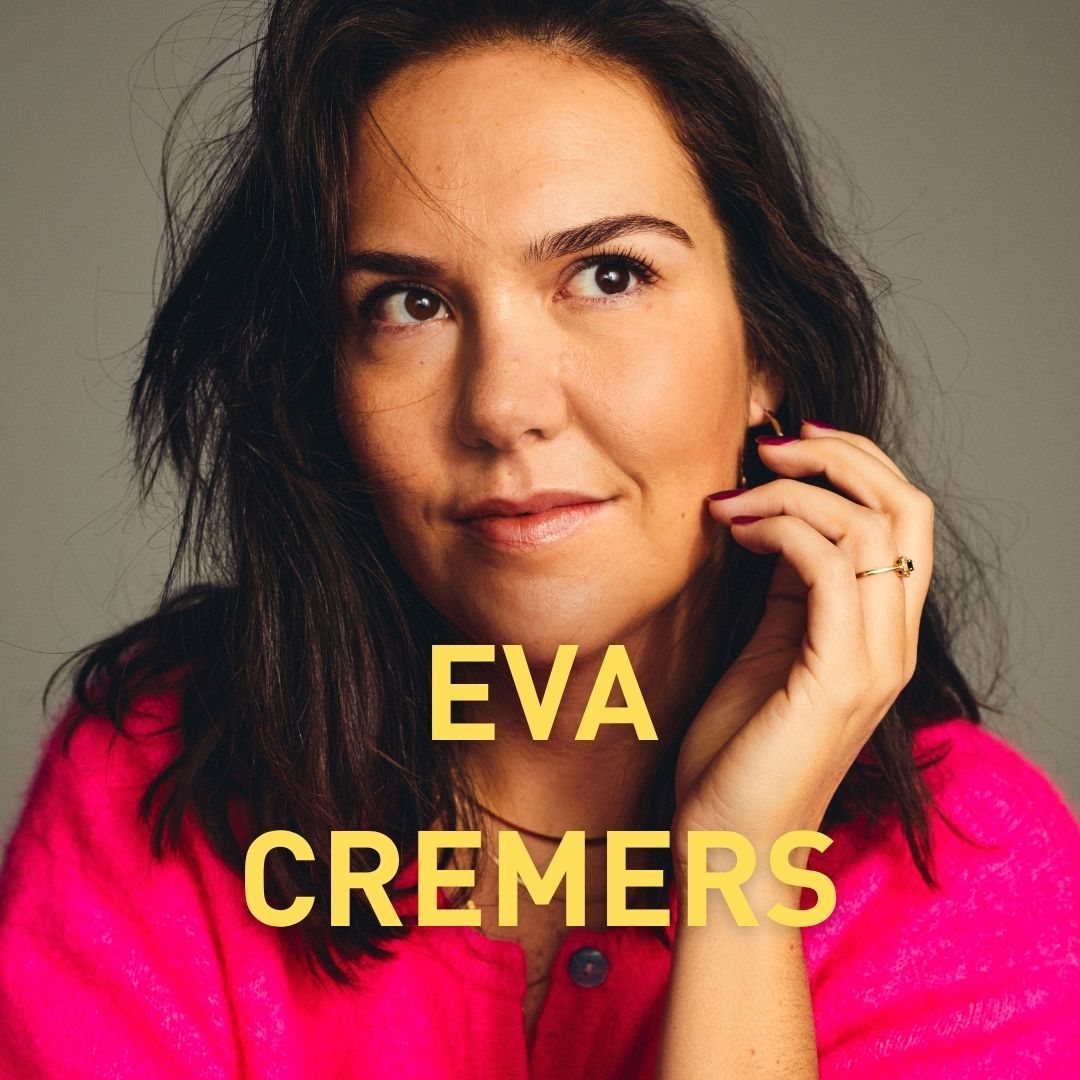
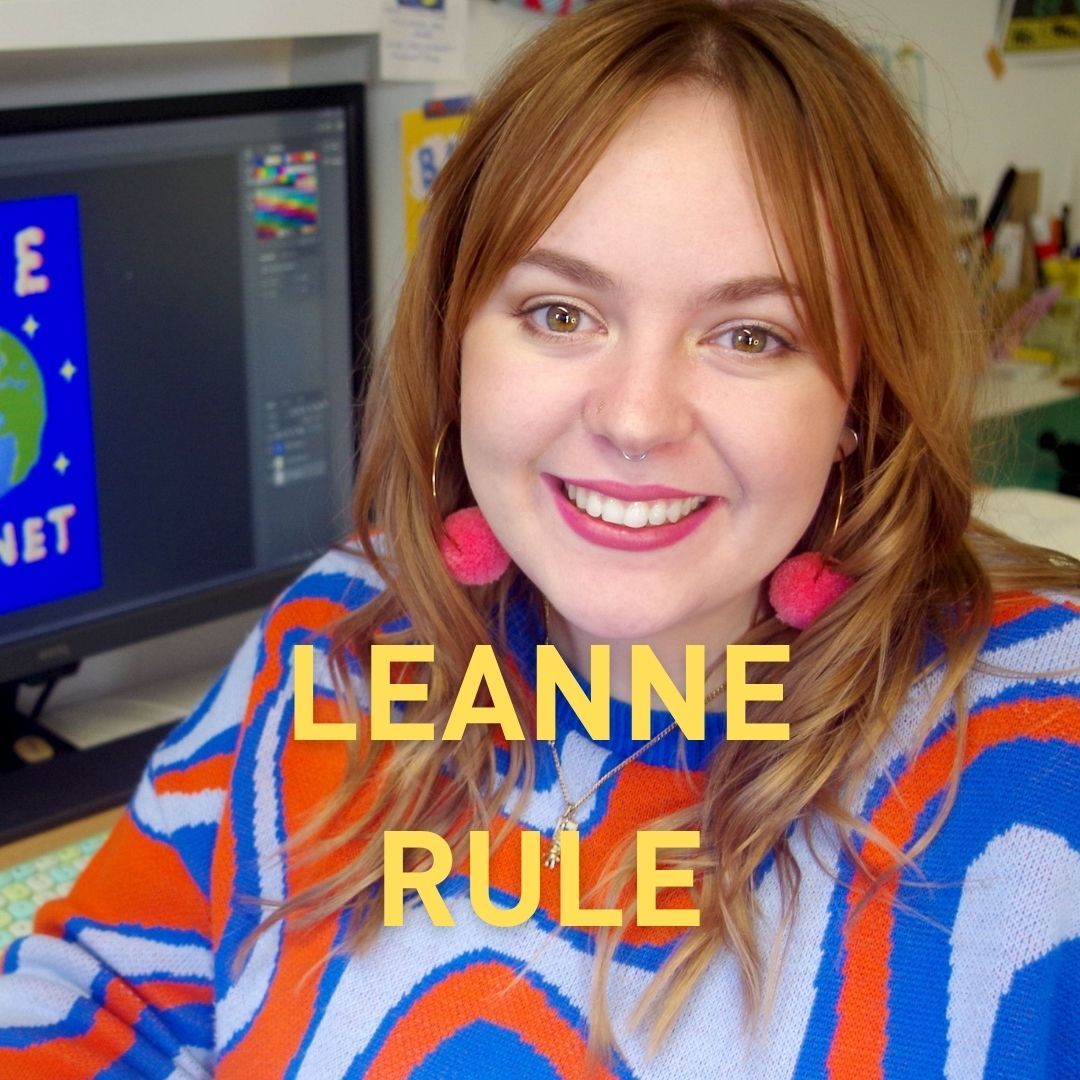
We asked our expert worldbuilders Leanne Rule, Christa Jarrold, Eva Cremers and Ben&Julia to help us explore what worldbuilding is, how it’s done, what needs to be considered and why it’s valuable to brands.
For decades, "worldbuilding" belonged to sci-fi, video games, and cinema, places like Marvel, LEGO, Barbie, and Disney. But today, the most ambitious brands are realising that a single 30-second spot no longer holds a fragmented audience. So, they are turning to worldbuilding.
What is worldbuilding, really?
It’s a coherent, multidimensional universe, where context, rules, tone, and environment work in unison. While a campaign concept is often a self-contained idea that executes its brief and then moves on to the next quarter, a brand world implies that life is happening away from the screen. You feel as though its inhabitants existed before, and will keep doing things long after it ends. It's narrative. It's storytelling.
Worldbuilding is the umbrella, but a world only becomes a business asset once it produces something ownable (IP) and something people can love (character). And it’s so much more than a brand campaign.
"If people spend enough time with a certain type of character, tone and visual world, they start associating those qualities with the brand itself. A brand that might otherwise feel quite functional can suddenly feel funny, strange, warm, or culturally interesting because of the world that's been built around it."
Christa Jarrold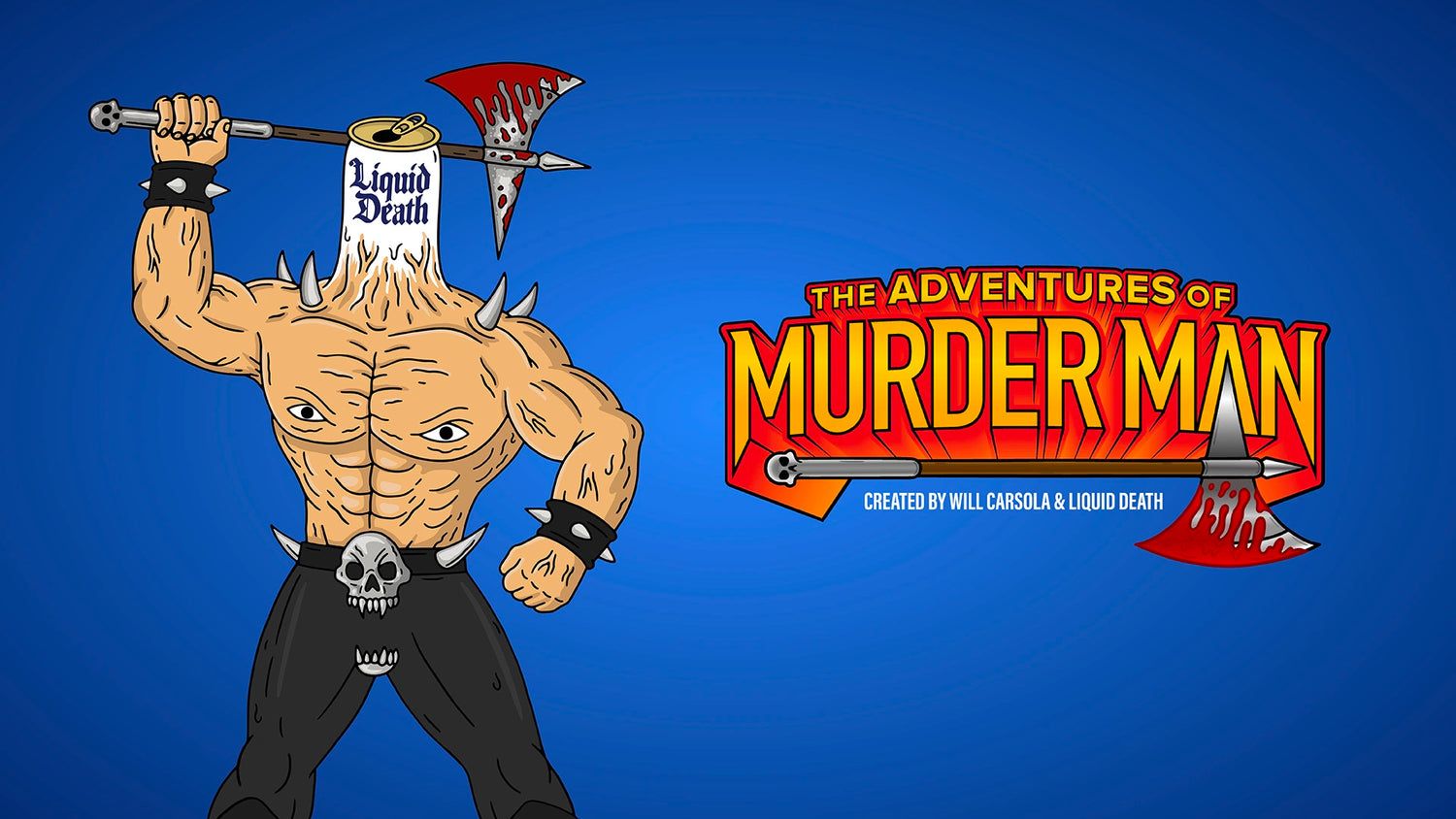
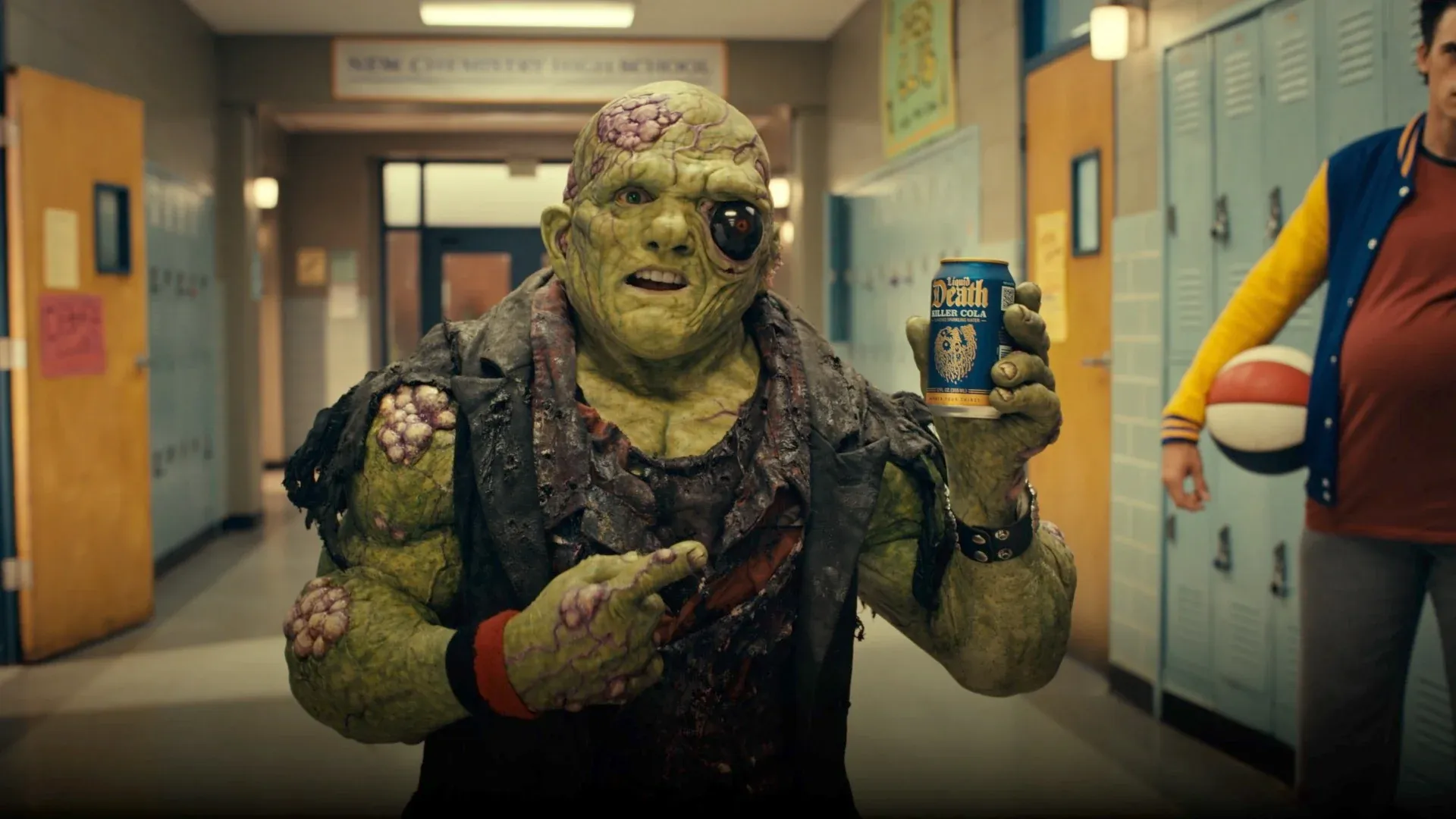
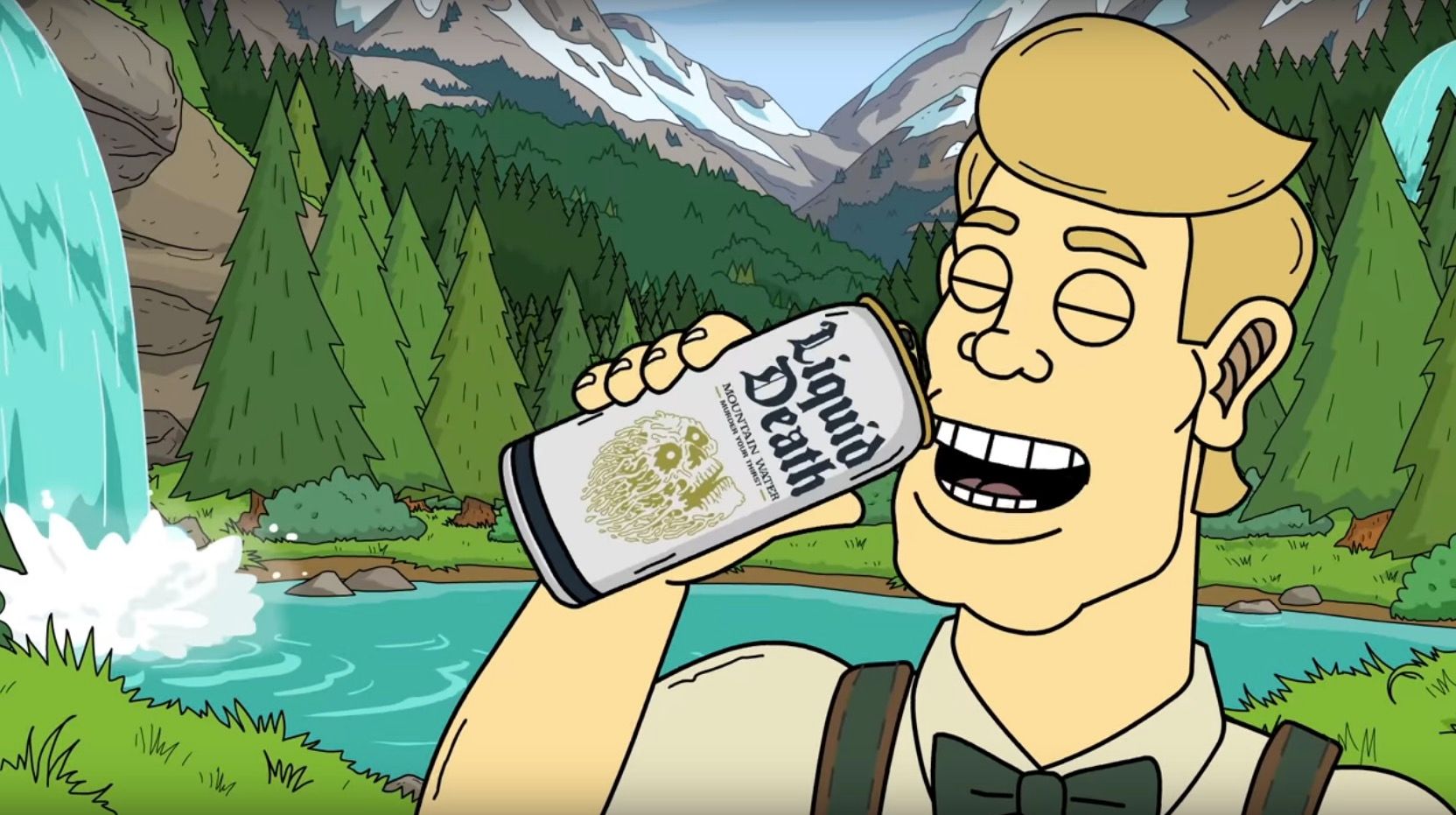
[𝘈𝘣𝘰𝘷𝘦: 𝘓𝘪𝘲𝘶𝘪𝘥 𝘋𝘦𝘢𝘵𝘩 𝘴𝘵𝘢𝘳𝘵𝘦𝘥 𝘸𝘪𝘵𝘩 𝘭𝘰𝘶𝘥, 𝘳𝘦𝘣𝘦𝘭𝘭𝘪𝘰𝘶𝘴 𝘦𝘯𝘦𝘳𝘨𝘺 𝘢𝘯𝘥 𝘢𝘯 𝘪𝘳𝘳𝘦𝘷𝘦𝘳𝘦𝘯𝘵 𝘵𝘰𝘯𝘦 𝘰𝘧 𝘷𝘰𝘪𝘤𝘦. 𝘖𝘷𝘦𝘳 𝘵𝘩𝘦 𝘺𝘦𝘢𝘳𝘴, 𝘵𝘩𝘦 𝘭𝘰𝘳𝘦 𝘬𝘦𝘱𝘵 𝘦𝘹𝘱𝘢𝘯𝘥𝘪𝘯𝘨 - 𝘢 "𝘎𝘳𝘦𝘢𝘵𝘦𝘴𝘵 𝘏𝘢𝘵𝘦𝘴" 𝘢𝘭𝘣𝘶𝘮 𝘸𝘪𝘵𝘩 𝘳𝘦𝘢𝘭 𝘮𝘶𝘴𝘪𝘤𝘪𝘢𝘯𝘴, 𝘮𝘰𝘤𝘬𝘶𝘮𝘦𝘯𝘵𝘢𝘳𝘺-𝘴𝘵𝘺𝘭𝘦 𝘧𝘪𝘭𝘮𝘴, 𝘢 𝘱𝘢𝘳𝘰𝘥𝘺 𝘤𝘰𝘶𝘯𝘵𝘳𝘺 𝘤𝘭𝘶𝘣 𝘮𝘦𝘮𝘣𝘦𝘳𝘴𝘩𝘪𝘱, 𝘢𝘯𝘥 𝘢 𝘧𝘢𝘬𝘦 𝘷𝘪𝘳𝘢𝘭 𝘵𝘳𝘢𝘪𝘭𝘦𝘳 𝘧𝘰𝘳 𝘢𝘯 𝘢𝘯𝘪𝘮𝘢𝘵𝘦𝘥 𝘧𝘪𝘭𝘮 ‘𝘛𝘩𝘦 𝘈𝘥𝘷𝘦𝘯𝘵𝘶𝘳𝘦𝘴 𝘰𝘧 𝘔𝘶𝘳𝘥𝘦𝘳 𝘔𝘢𝘯’.]
"A campaign is something you see. A world is somewhere you can enter and, importantly, somewhere you can return to."
Ben&JuliaWhy Brands are Pivoting to Worlds
Worldbuilding gives audiences context and rich details for people to really get immersed in. It’s ultimately about feeling, scene-setting, escapism. People are exhausted by transactional content and have built an instinctive immunity to it. What they want instead is a richer, more meaningful experience... something worth giving their undivided attention to.
Worldbuilding offers brands something more ambitious than a set of guidelines. Done properly, it gives every dimension of a brand - its characters, history, identity, its voice, values and visual language - a shared logic to grow from. Instead of being managed as separate assets, each element becomes part of one deep, coherent story.
The value that's gained is the shortcut to the brand. Rather than a campaign which reintroduces a brand every time, a world accumulates, so each new appearance is recognised faster.
"Brands often want to capitalize on or respond to big social hype moments, but the true value lies in setting up a strong world first, and making it versatile enough to pull off reactive social moments."
Eva CremersIn a Marketing Brew article from 2025, Duolingo CMO Manu Orssaud backed this up: "Virality is only valuable if it brings people back to the core of what we do."
Ben&Julia think the moment is bigger than a trend: “In 2026, almost everybody understands what it means to enter another world. Look at video games, animation, serial storytelling or the culture around characters today. Entire generations have grown up with these forms, and there is no longer a meaningful age limit to them. People understand immersion instinctively, and they actively seek it.” What was once a niche term in animation and gaming circles is now standard vocabulary in advertising. Proof that brands are finally thinking in decades again, not quarters.
There’s a reason people keep coming back to the Meerkats universe: it’s a perfect example of worldbuilding. It’s consistent but not repetitive. The characters have room to evolve, and the evolution of the world feels natural.
The world became a licensable asset in its own right, spawning a book, toys, and standalone sub-brands (Meerkat Movies, Meerkat Meals) that saved customers over £27m* and even attracted a Batman v Superman crossover. Nearly 20 years on, the character is arguably more recognisable than the brand itself. Simples. And you only have to look at Labubu, Jellycat or Lego to see that character IP merch for adults is at an all-time high.
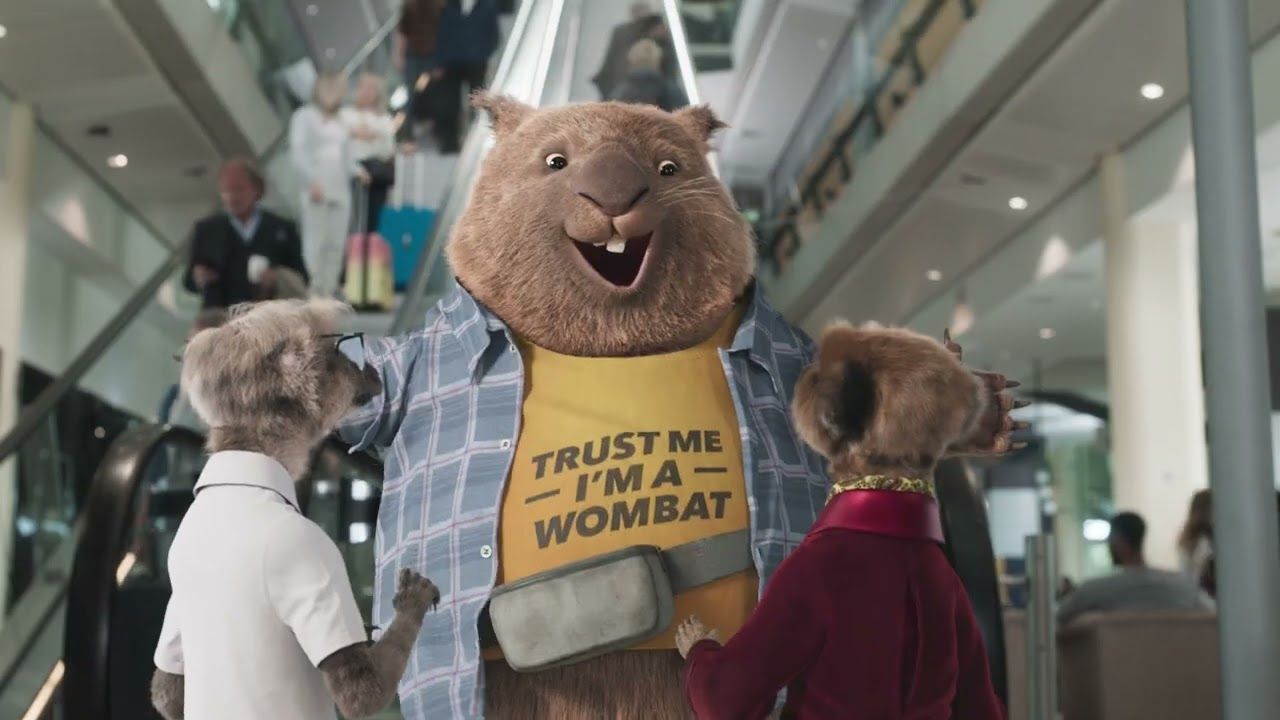
[𝘈𝘣𝘰𝘷𝘦: 𝘊𝘰𝘮𝘱𝘢𝘳𝘦 𝘛𝘩𝘦 𝘔𝘢𝘳𝘬𝘦𝘵 - 𝘔𝘦𝘦𝘳𝘬𝘢𝘵𝘴. 𝘈 𝘧𝘶𝘯𝘤𝘵𝘪𝘰𝘯𝘢𝘭 𝘤𝘢𝘵𝘦𝘨𝘰𝘳𝘺 𝘭𝘪𝘬𝘦 𝘪𝘯𝘴𝘶𝘳𝘢𝘯𝘤𝘦 𝘯𝘦𝘦𝘥𝘦𝘥 𝘴𝘰𝘮𝘦𝘵𝘩𝘪𝘯𝘨 𝘸𝘢𝘳𝘮 𝘭𝘪𝘬𝘦 𝘵𝘩𝘪𝘴 𝘵𝘰 𝘮𝘢𝘬𝘦 𝘪𝘵 𝘢𝘱𝘱𝘦𝘢𝘭𝘪𝘯𝘨 𝘢𝘯𝘥 𝘦𝘯𝘵𝘦𝘳𝘵𝘢𝘪𝘯𝘪𝘯𝘨. 𝘐𝘵 𝘦𝘷𝘰𝘭𝘷𝘦𝘥 𝘪𝘯𝘵𝘰 𝘤𝘩𝘢𝘳𝘢𝘤𝘵𝘦𝘳𝘴 𝘩𝘢𝘷𝘪𝘯𝘨 𝘣𝘢𝘤𝘬𝘴𝘵𝘰𝘳𝘪𝘦𝘴, 𝘳𝘪𝘷𝘢𝘭𝘳𝘪𝘦𝘴, 𝘢𝘯𝘥 𝘧𝘢𝘮𝘪𝘭𝘪𝘦𝘴.]
Building it: world, story, character, IP.
Before anything else, there's a process of interrogating the brand: getting to the truth about it, competitive and cultural context-setting, and turning ambition into a creative brief. It's this groundwork that determines who's the right collaborator for the job.
Charlie Sells, ECD, says "For a world to truly connect with the audience, it starts with really understanding the brand and any challenges: what it wants to achieve & say, how it should feel, look, taste. Every decision after that, the tone, the characters, the visual language, is really just an answer to a question that was asked at the start."
The World needs logic, story, and character to exist, and different worldbuilders start at different points with this. Ben & Julia start with a feeling: "We ask what naturally emerges when we associate the brand or the product with a world. What images, symbols or archetypes come from our subconscious, or even from a kind of collective unconscious? Those first associations give us the raw ingredients of the universe." Only after the rules exist does the medium - puppet, illustration, live action, or a mix - suggest itself. Crucially, they don't let technique define the idea too early.
How much a brand needs to bring to the table varies by collaborator. Ben&Julia want strategic grounding. Christa Jarrold wants the non-negotiables - what the brand stands for, who it’s for - and then room to play. “If every detail has already been decided before you start, it’s harder to discover anything interesting,” she adds. Leanne likes to work from a strong existing steer and then push it further. But if a brand doesn’t have that vision yet, part of her job is helping them find it.
The Story is what makes a world feel inhabited and alive. Christa sees the differentiation between a campaign concept and a world: "A campaign concept can be quite self-contained: one idea, one joke that does its job and then disappears. A brand world has to feel like there's more going on beyond the bit you're seeing.”
Leanne Rule describes a similar through line that a world needs an in-depth identity, rich details and a cohesive visual language. “It's a feeling that runs through the whole project, where characters, environment and storytelling all feel connected and like they belong together, rather than a few stand-alone characters or features."
Ben&Julia take it the furthest, building entire invisible bibles for their characters that never make the final cut - backstory, friendships, how they'd react in situations. “Maybe you only see five percent of it. That is important, because you do not need to tell the audience everything for them to feel that there is something there." It means a brand can return to the world later without inventing a new layer from scratch. "You just blow a little sand away and discover that there was already much more underneath."
The Characters carry the value that compounds over time, and they’re very different from mascots. A mascot is a design. A character is a personality. And Leanne is blunt about which one carries a brand for years: "Personality! If you can give a character a unique identity then it can work for much longer. It's not just about design, but the way you write and perform a character that gives it lasting power. A fun design helps it be memorable but a real personality will help people really connect."
And while the effectiveness of characters has measurable data to support it, System1's own research says characters take about three years of consistent investment before the payoff shows up.
"Everything starts with character. If I understand who lives in the world, what they’re like, what makes them tick, then the visual language and the rules of the world tend to come naturally. The characters almost tell you what kind of world they need around them."
Christa Jarrold
[𝘈𝘣𝘰𝘷𝘦: 𝘋𝘶𝘰𝘭𝘪𝘯𝘨𝘰 - 𝘖𝘸𝘭 & 𝘍𝘳𝘪𝘦𝘯𝘥𝘴. 𝘋𝘶𝘰 𝘦𝘷𝘰𝘭𝘷𝘦𝘥 𝘧𝘳𝘰𝘮 𝘢 𝘧𝘶𝘯𝘤𝘵𝘪𝘰𝘯𝘢𝘭 𝘯𝘰𝘵𝘪𝘧𝘪𝘤𝘢𝘵𝘪𝘰𝘯 𝘮𝘢𝘴𝘤𝘰𝘵 𝘪𝘯𝘵𝘰 𝘢𝘯 𝘶𝘯𝘩𝘪𝘯𝘨𝘦𝘥, 𝘤𝘩𝘢𝘰𝘵𝘪𝘤 𝘯𝘦𝘶𝘵𝘳𝘢𝘭 𝘤𝘩𝘢𝘳𝘢𝘤𝘵𝘦𝘳 𝘸𝘪𝘵𝘩 𝘢 𝘥𝘪𝘴𝘵𝘪𝘯𝘤𝘵 𝘱𝘦𝘳𝘴𝘰𝘯𝘢𝘭𝘪𝘵𝘺. 𝘋𝘶𝘰𝘭𝘪𝘯𝘨𝘰 𝘸𝘦𝘯𝘵 𝘰𝘯 𝘵𝘰 𝘣𝘶𝘪𝘭𝘥 𝘢 𝘸𝘩𝘰𝘭𝘦 𝘤𝘢𝘴𝘵 𝘰𝘧 𝘤𝘩𝘢𝘳𝘢𝘤𝘵𝘦𝘳𝘴 𝘢𝘳𝘰𝘶𝘯𝘥 𝘋𝘶𝘰 𝘸𝘩𝘰 𝘢𝘱𝘱𝘦𝘢𝘳 𝘪𝘯 𝘵𝘩𝘦 𝘢𝘱𝘱, 𝘴𝘰𝘤𝘪𝘢𝘭 𝘮𝘦𝘥𝘪𝘢 𝘢𝘯𝘥 𝘮𝘢𝘳𝘬𝘦𝘵𝘪𝘯𝘨 𝘤𝘢𝘮𝘱𝘢𝘪𝘨𝘯𝘴. 𝘛𝘩𝘦 𝘣𝘳𝘢𝘯𝘥 𝘦𝘹𝘱𝘦𝘳𝘪𝘦𝘯𝘤𝘦𝘥 𝘢 41% 𝘳𝘦𝘷𝘦𝘯𝘶𝘦 𝘨𝘳𝘰𝘸𝘵𝘩 𝘪𝘯 𝘪𝘵𝘴 𝘭𝘢𝘵𝘦𝘴𝘵 𝘦𝘢𝘳𝘯𝘪𝘯𝘨𝘴 𝘳𝘦𝘱𝘰𝘳𝘵. 𝘙𝘦𝘢𝘥 𝘢𝘣𝘰𝘶𝘵 𝘣𝘶𝘪𝘭𝘥𝘪𝘯𝘨 𝘵𝘩𝘦 𝘤𝘩𝘢𝘳𝘢𝘤𝘵𝘦𝘳𝘴, 𝘩𝘦𝘳𝘦.]
"Character always comes first for me personally. I find it helps me work out all the visual rules for the rest of the universe, and immediately sets a tone of what's going to happen. Sometimes it even adds new discoveries. If I add a cheeky detail to a character, it can add in a new fun moment in the project or help me get a feel for how it might all come together."
Leanne RuleThe IP is the payoff. An ownable character or asset can be licensed, merchandised, extended into new products or categories, and defended legally in ways a campaign concept can’t.
Ownability isn't necessarily something you design for directly. It comes from understanding the brand, and understanding the principles of character design and worldbuilding. It’s a by-product of originality.
Ben&Julia describe the mechanism through the Kuleshov effect, which says; give the audience the right ingredients and let them construct meaning themselves, rather than explaining a character into being. "The brand owns the character, but the audience owns the meaning", and that shared ownership is what makes the IP worth more. Christa leans on instinct within the brand's world, letting her own design sensibility surface naturally inside it. Leanne tries to stay authentic to her voice as an artist, but bespoke enough to belong entirely to the project.
"I often try to find the balance between making a character that feels authentic to my voice as an artist, but something that can belong to this project entirely, so that what I'm making feels bespoke and for the world of the brand."
Leanne RuleMcDonald's
McDonald’s provides a masterclass in how brand worlds evolve over decades without losing their internal logic. In the 1970s, the fast-food giant established McDonaldland, a fictional fantasy universe starring Ronald McDonald, Grimace, the Hamburglar, and Birdie, that was an IP ecosystem spanning Happy Meal toys, restaurant playgrounds, and pop culture.
Fast forward to recent years, and McDonald's has modernised its universe for generational nostalgia and digital spaces. From leaning into fan-led Grimace lore on TikTok to executing crossover gaming activations inside Xbox and Roblox, the brand continuously proves that a well-built world can inhabit any medium.
McDonaldland has also been reopened in stages: 2022's Cactus Plant Flea Market collab (extending into its own merch line), 2023's viral Grimace Shake, and 2026's full character reunion, each building on the same cast, proving the world compounds.
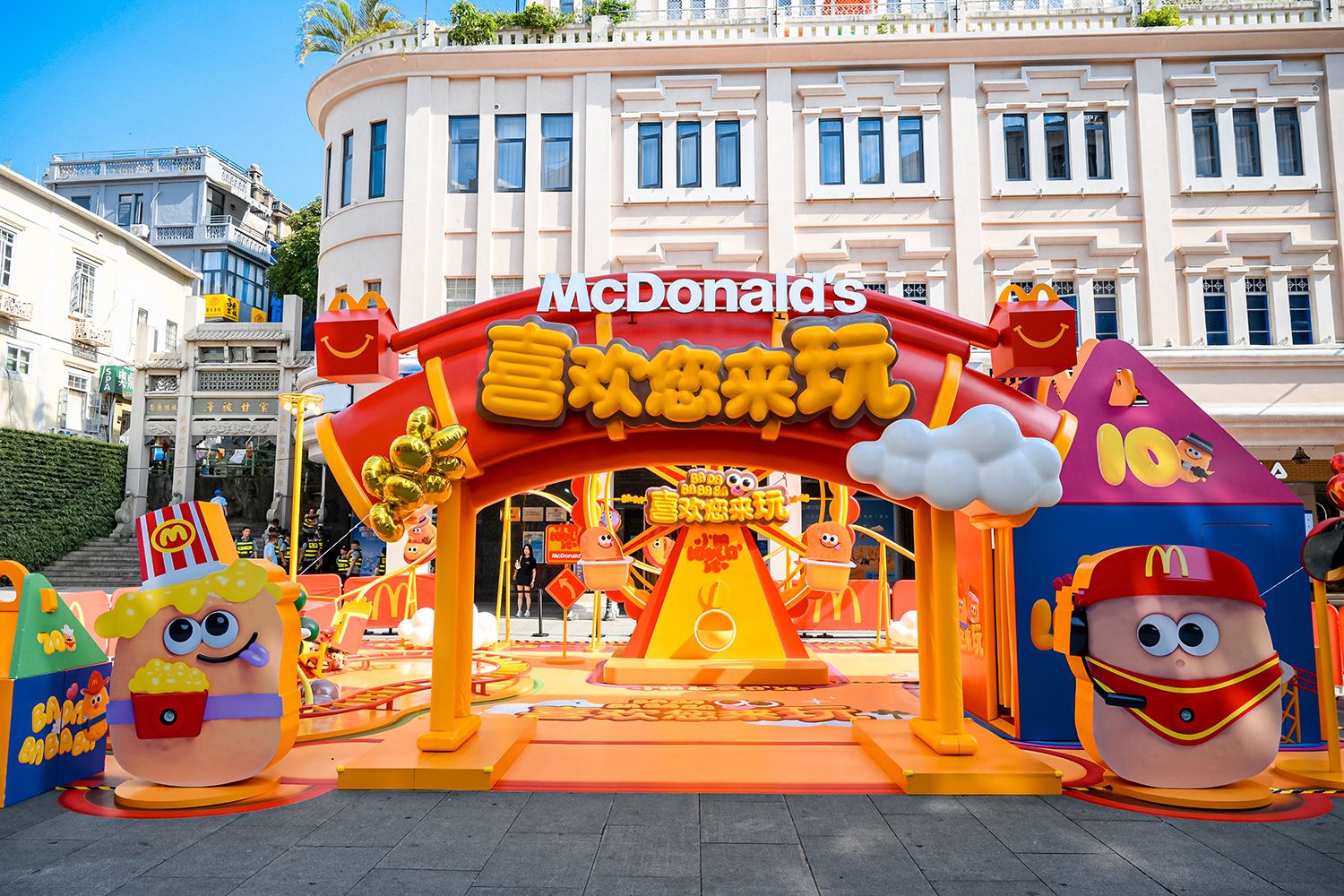
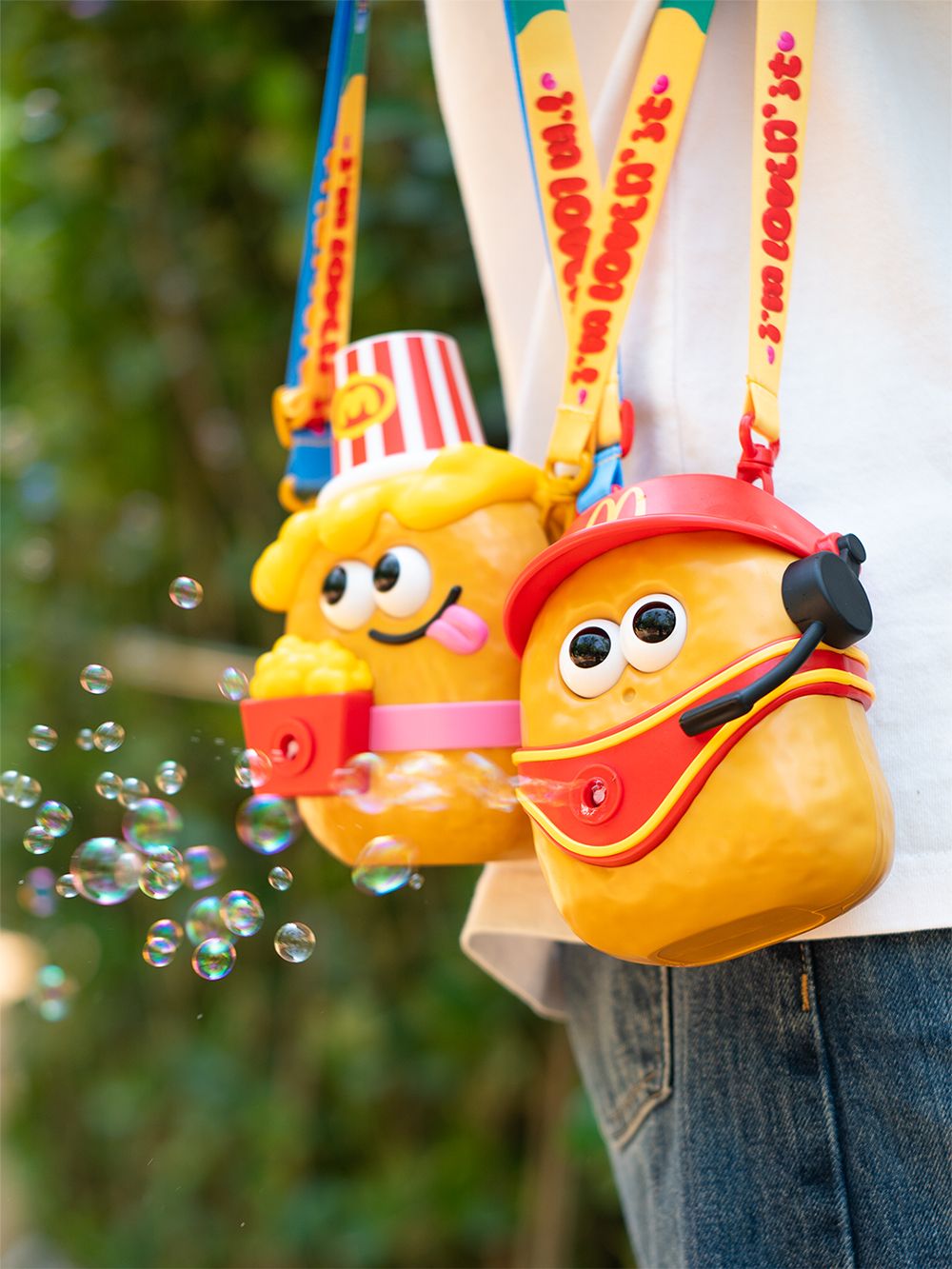
A prime example of this worldbuilding engine in action is McDonald’s China’s nationwide Children’s Day campaign, created in collaboration with artist Eva Cremers.
For Eva, expanding a universe as huge and established as McDonald's without losing what makes it recognisable comes down to respecting the brand as it is.
“I didn’t want to overshadow the brand. I wanted to create something that complemented it" said Eva. "It meant keeping the core McDonald’s elements as is, not trying to change them too much. But coming up with clever ways of adding more personality.”
In practice, that meant using McDonald's own items in unexpected ways, almost like easter eggs, be that characters sitting on the bottom of hamburger buns as they ride a wild water ride, a big refreshing drink becoming a pool with the straw left in, or a rollercoaster built from burger boxes standing in for the chairs. The recognisable elements of McDonald's stay as they are while a playful twist around them makes the world feel fresh and alive.
Watchouts & caveats
People can sense sales pitches or trend-jumpers dressed up as authentic content. So, while worldbuilding can be valuable when done well, it’s not for every brand. It can’t be measured like a campaign in reach or impressions, but it can be felt through a shift in culture, or an immersed and loyal community.
Brands that rushed into "owned worlds" on Roblox/Fortnite without a real character or story foundation are now abandoning them, with the exception of Universal's How To Train Your Dragon Roblox, which was built on an existing story and cast.
A world is a long-term strategy. And because a world's identity lives in its characters and internal logic rather than any single format or activation, it can carry into a new app, a new platform, or a new cultural moment and still feel like itself. It’s an investment. Get the world and characters right, and the IP takes care of itself.