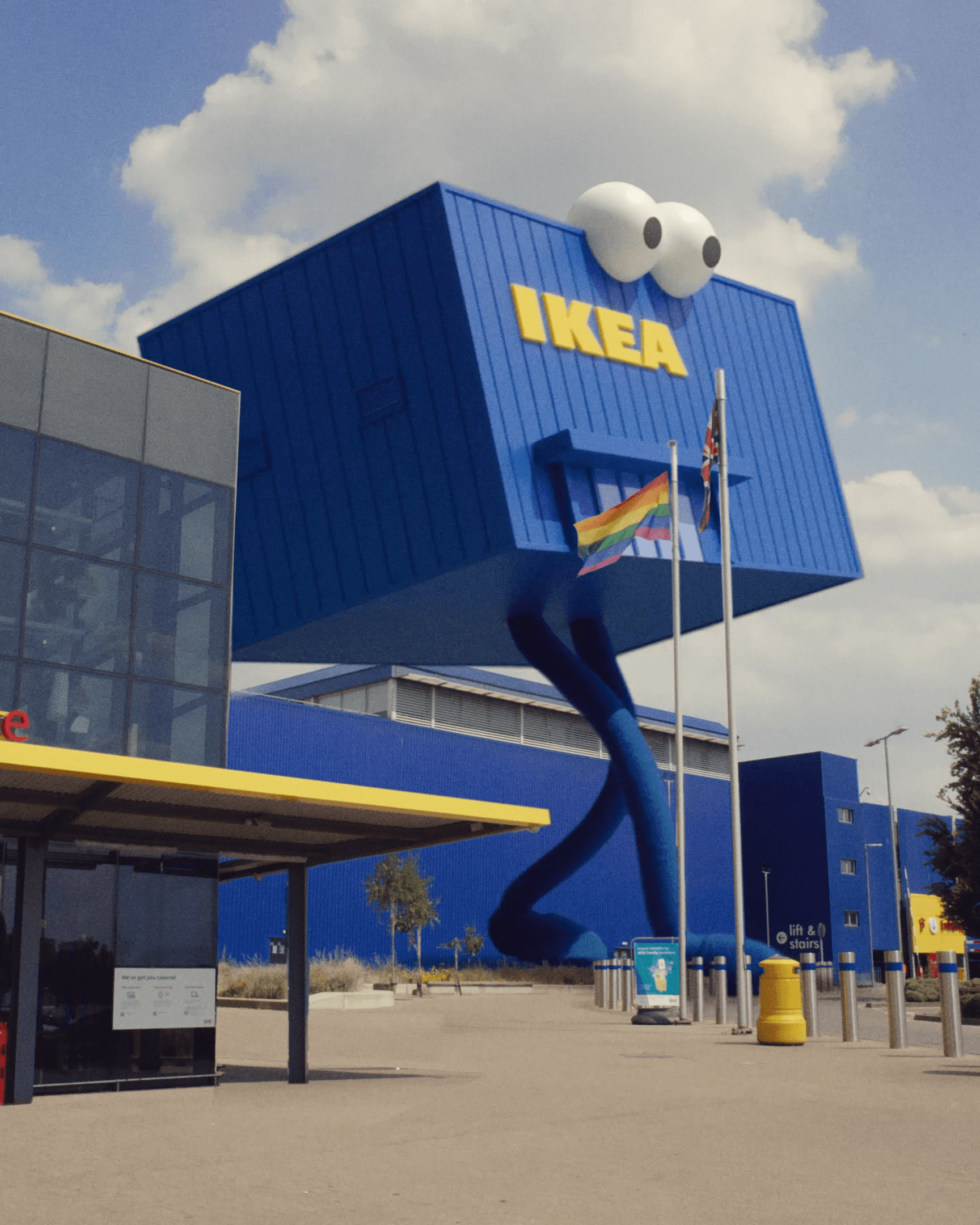
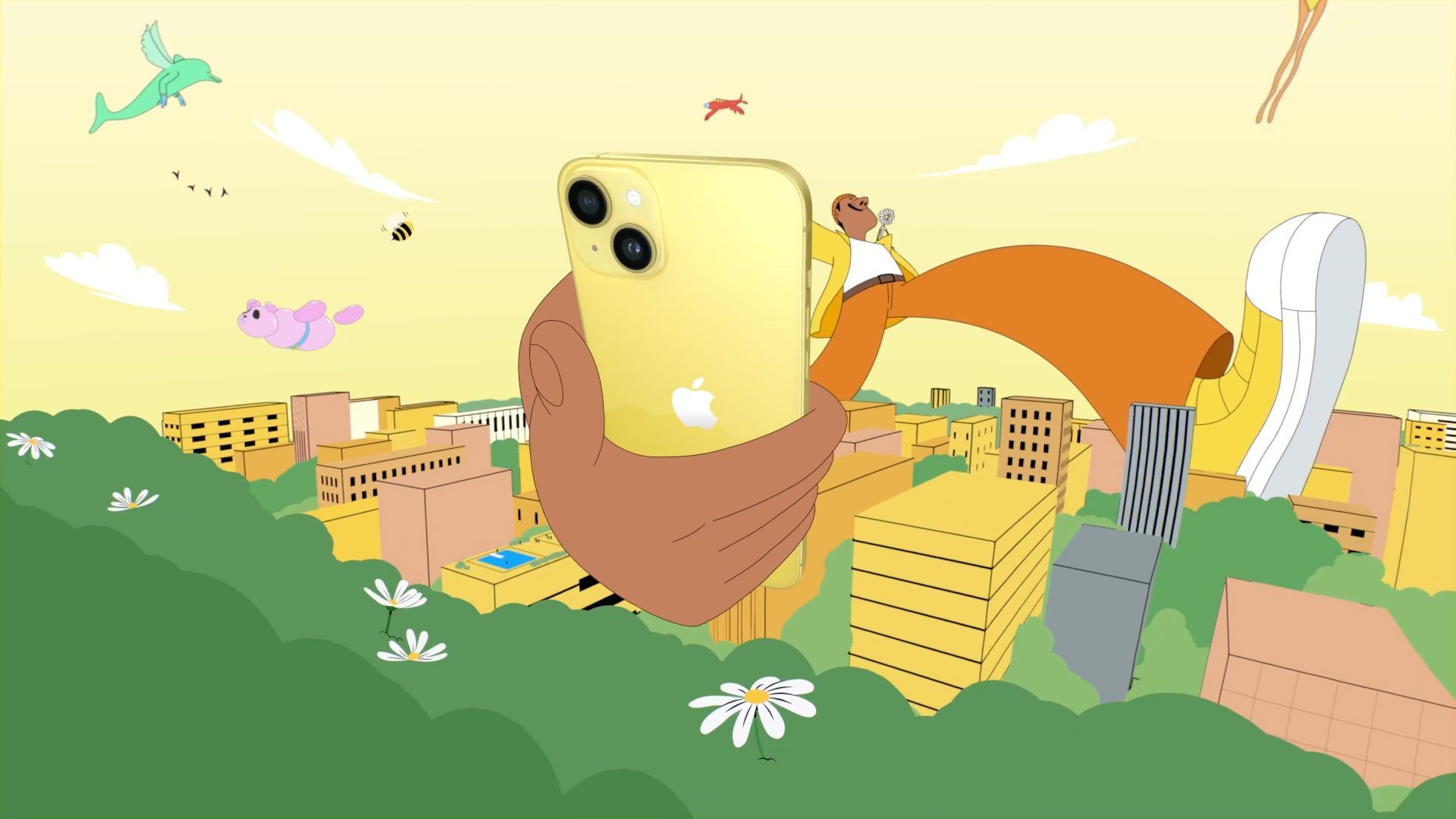
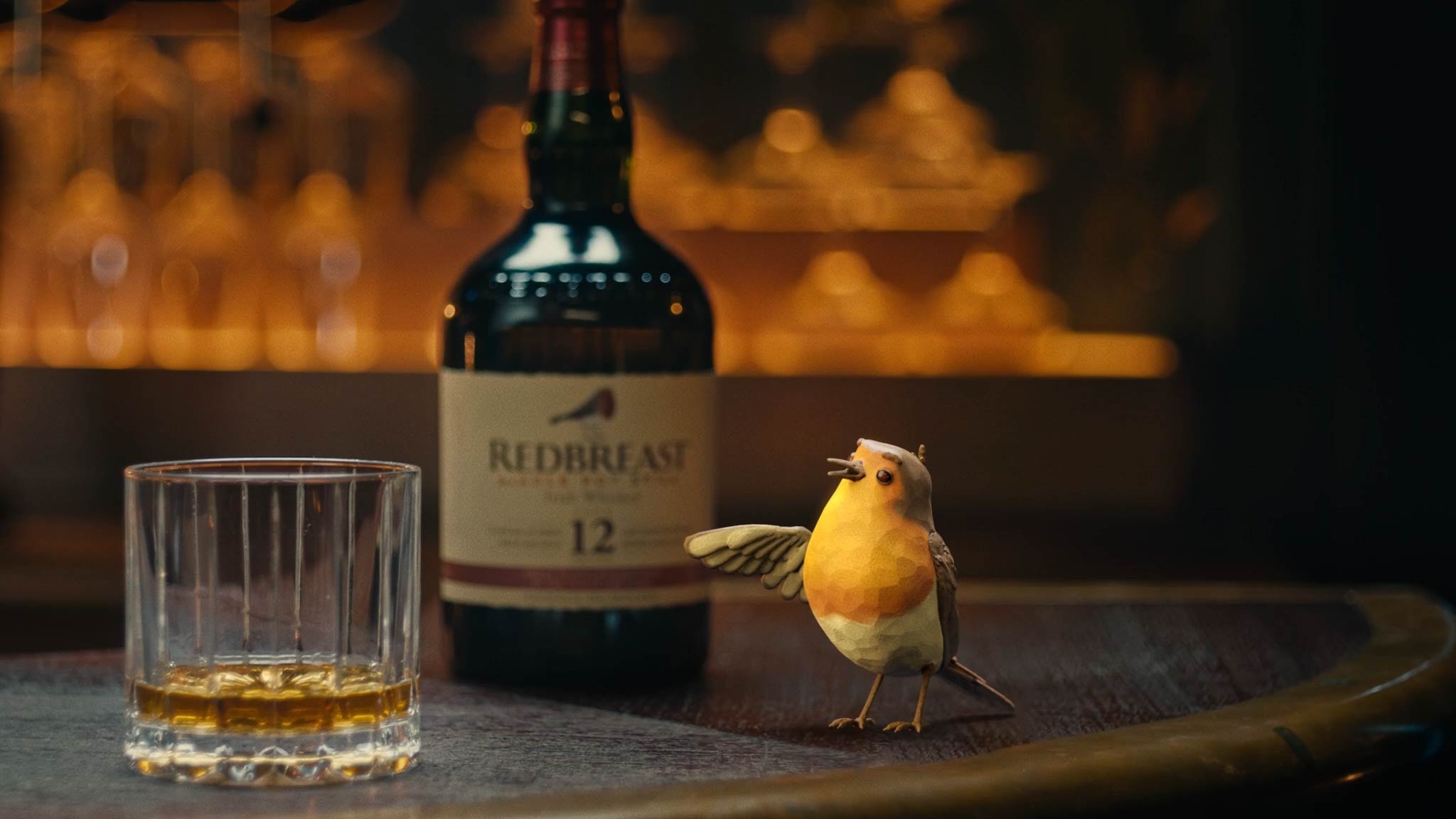
Inside Cristian Mera's world of collaged chaos and childhood nostalgia
Ecuador-born, Canada-based artist Cristian turns cartoons, memories and everyday objects into surreal, hyper-textured collages. Here, he talks nostalgia, curated chaos, color, and why he'd rather feel something than it look "technically perfect".
"Life feels chaotic to me. Nothing is really written in stone, and I love the messiness of that."
Cristian Mera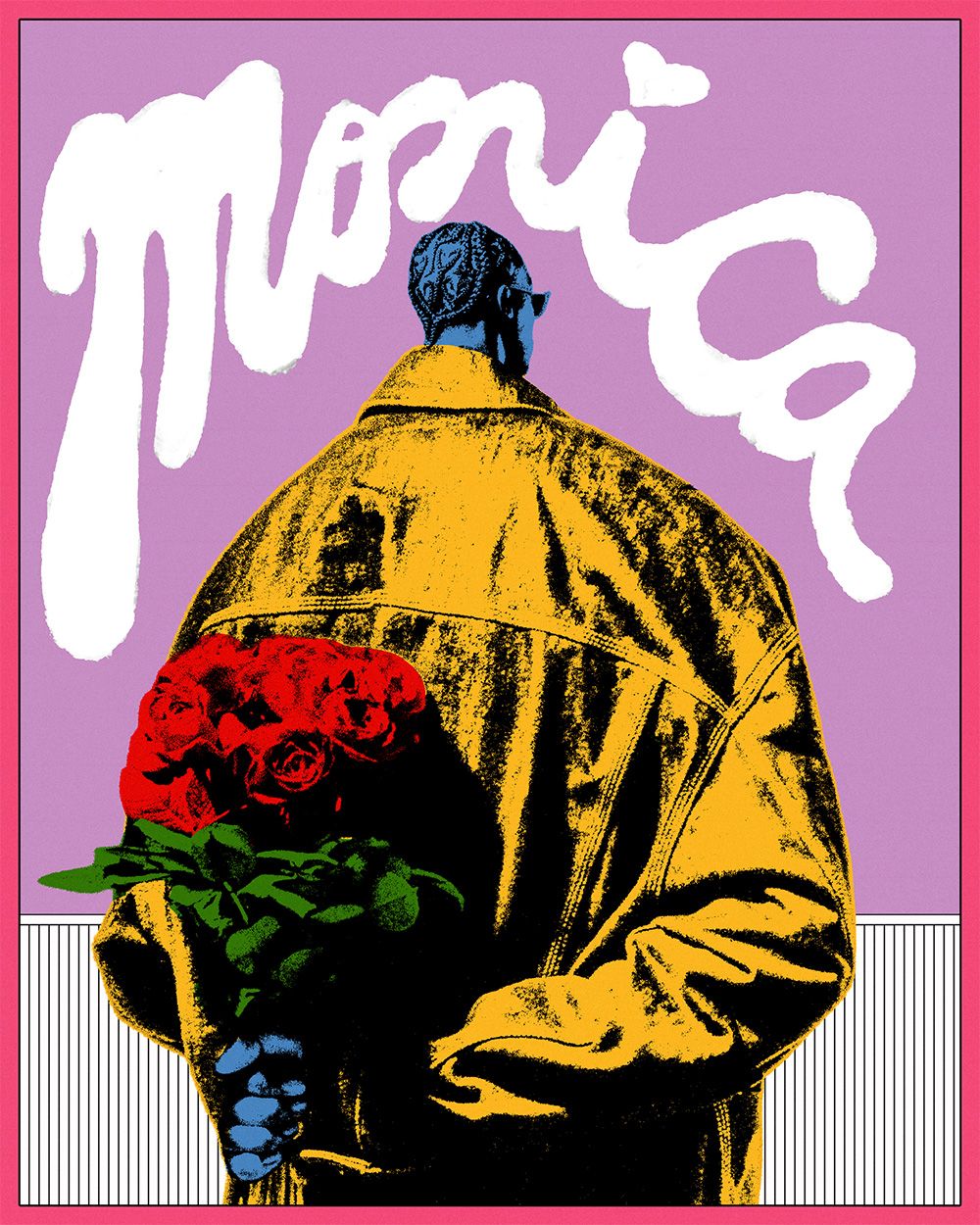
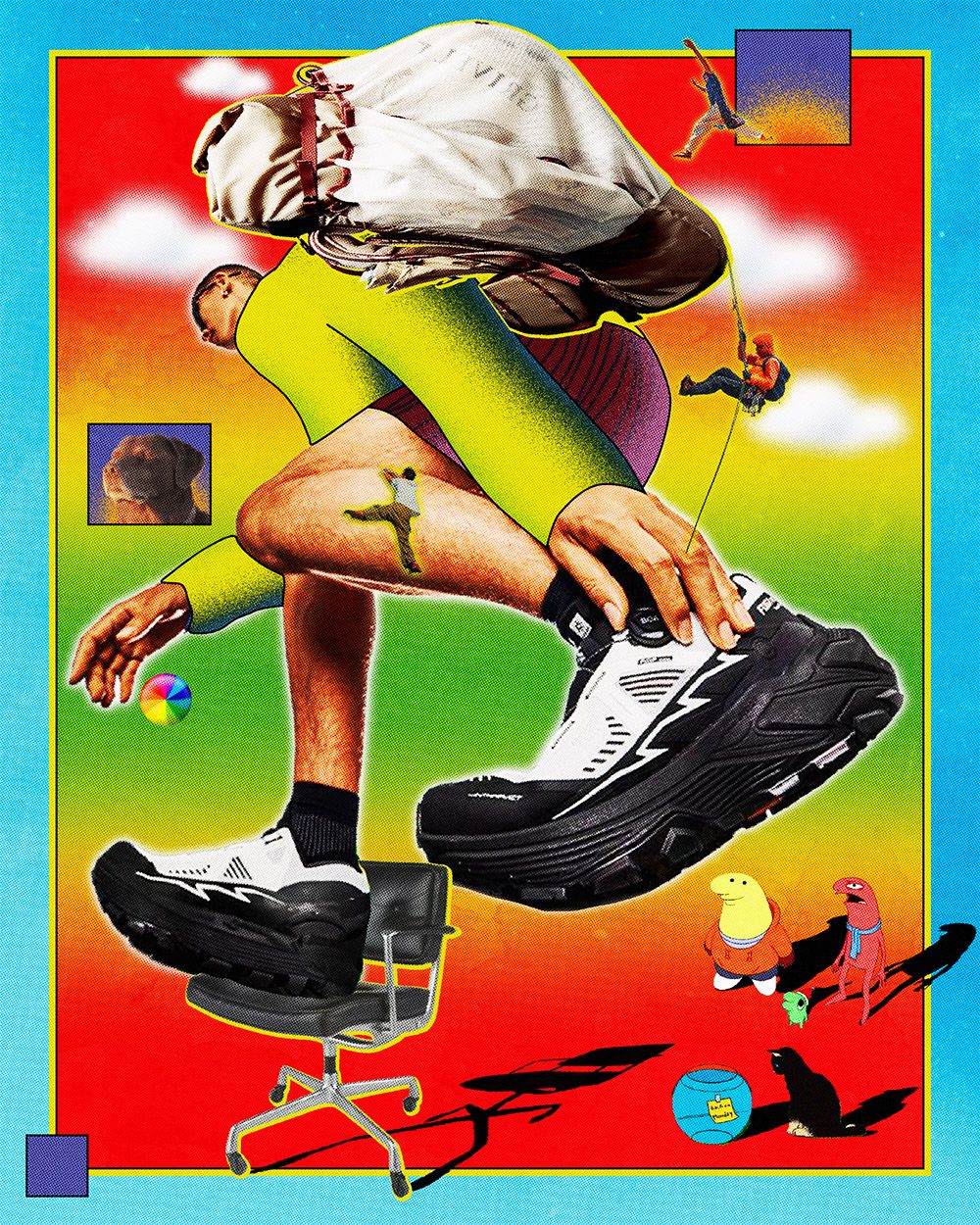
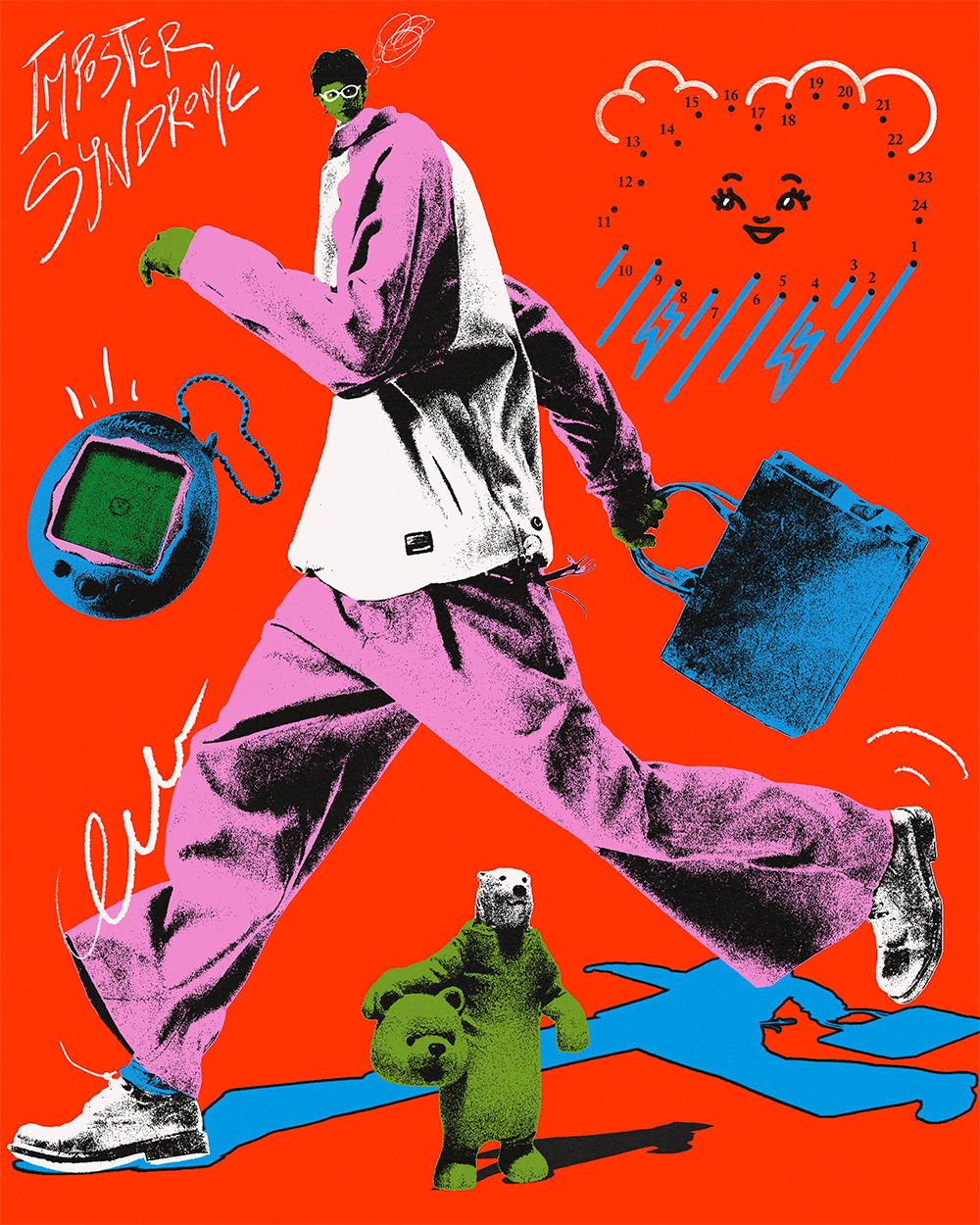
Ask Cristian whether he's a collage artist or something else entirely, and he doesn't hesitate. "I definitely consider myself more of a curator of chaos than a collage artist," he says. It's a fitting description for work that pulls old cartoons, nostalgic objects, vague feelings and strange visual metaphors into a single frame.
His process usually starts with one figure. "I like creating someone in a dynamic pose that immediately catches your attention. Once I have that person, the rest of the world starts to build itself around them." From there, music takes over. He'll loop a single song until it's all he can hear, letting scenes, objects and memories surface as he listens. "It's almost like I'm dissecting the song and turning it into a visual story."
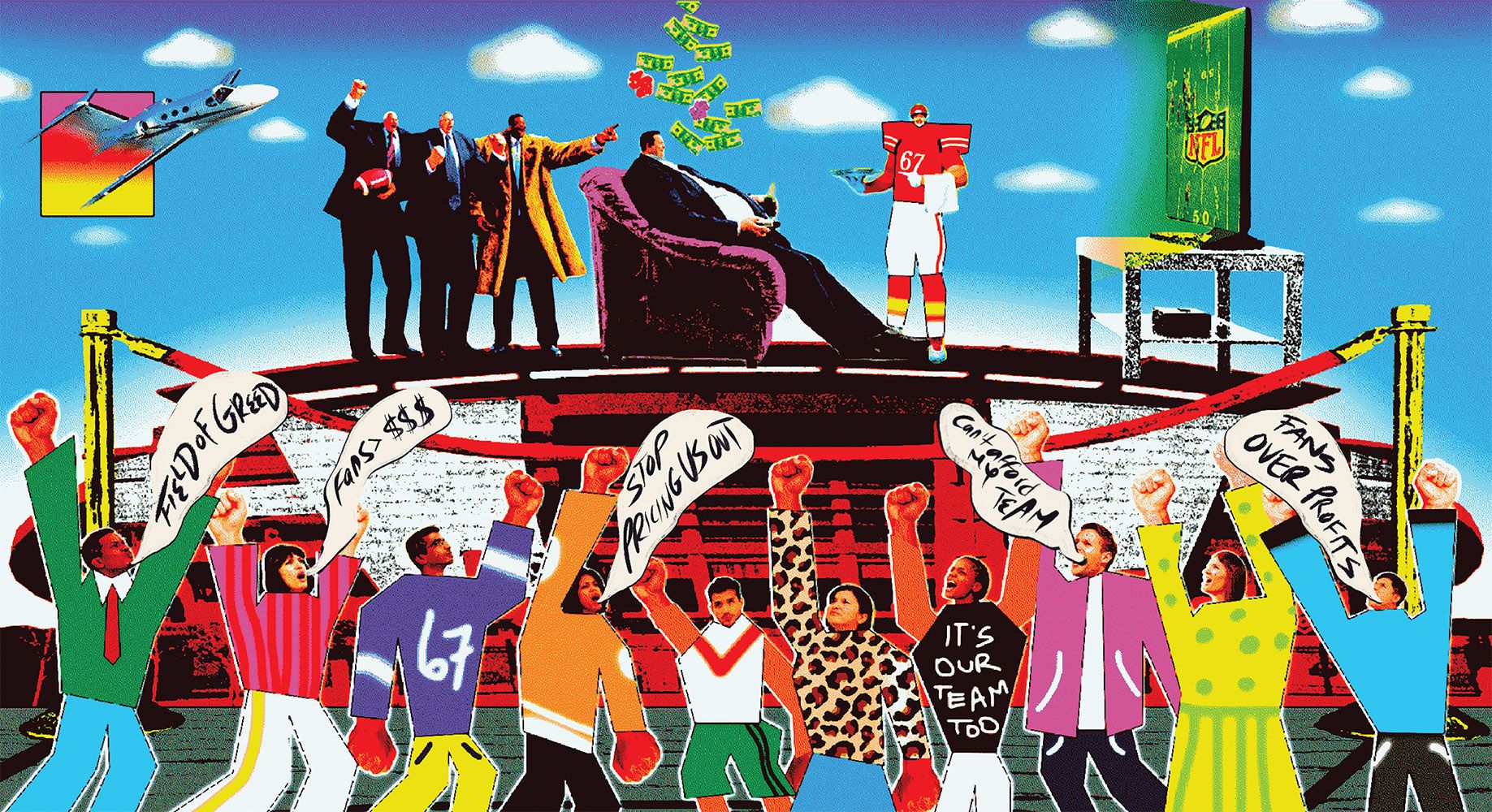
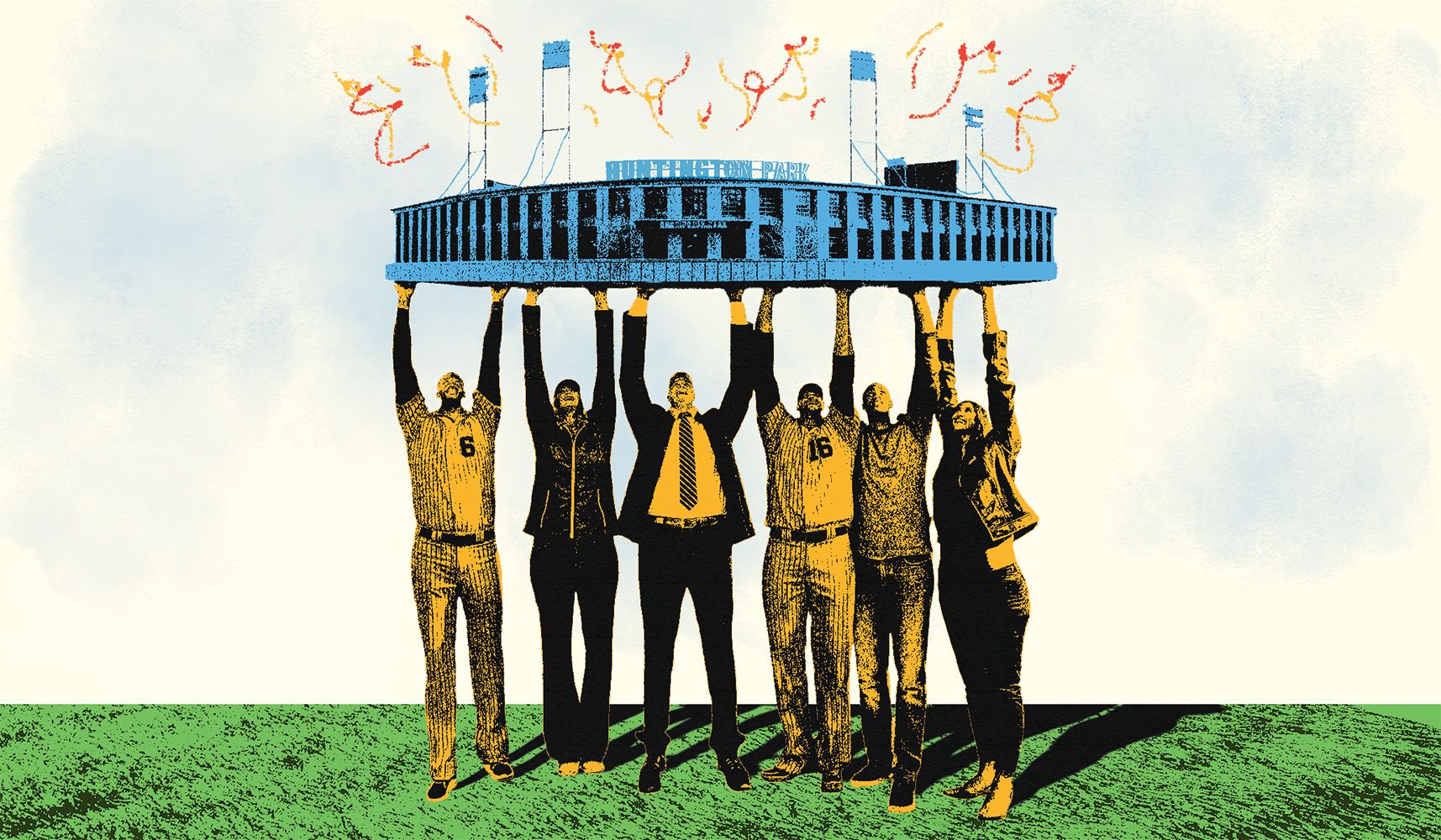
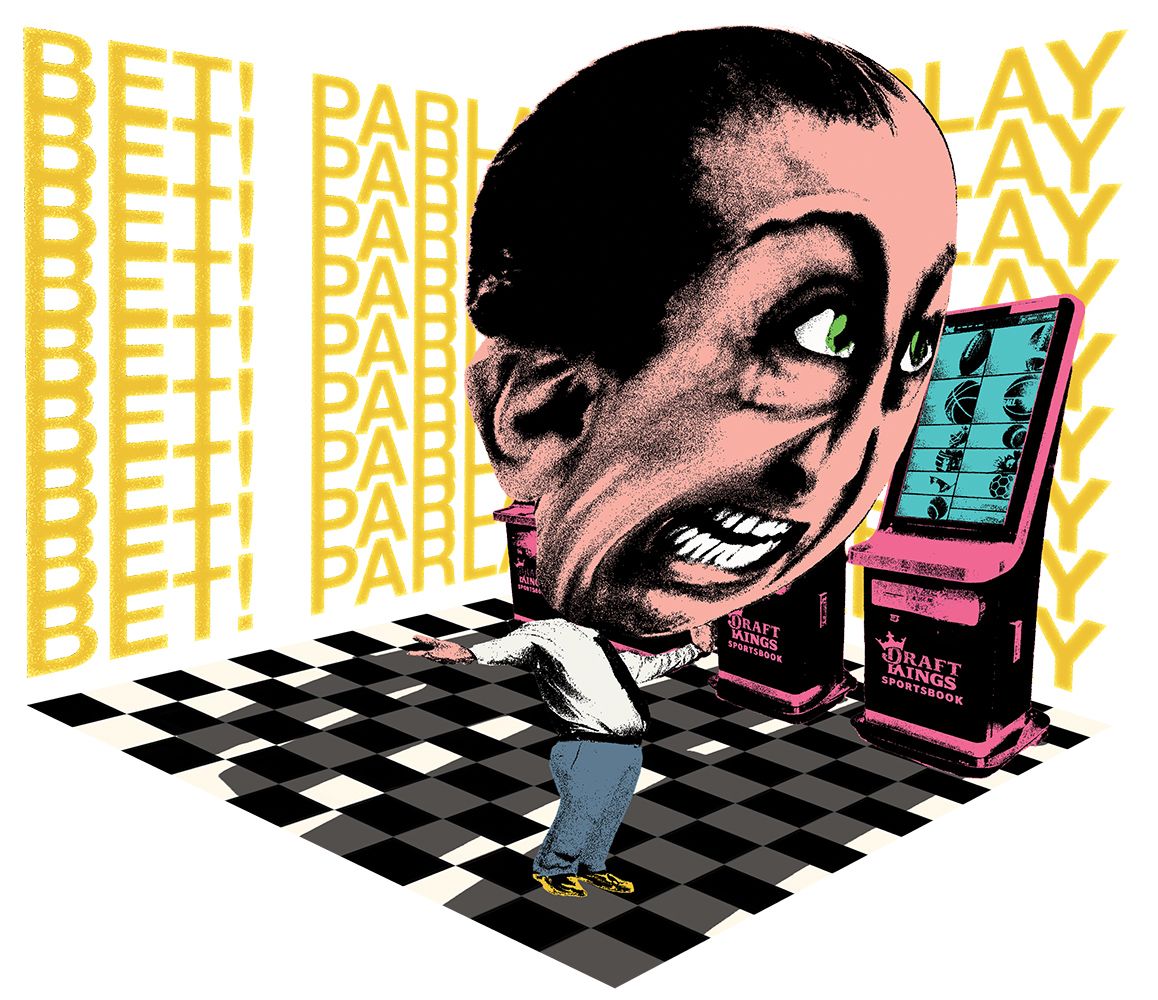
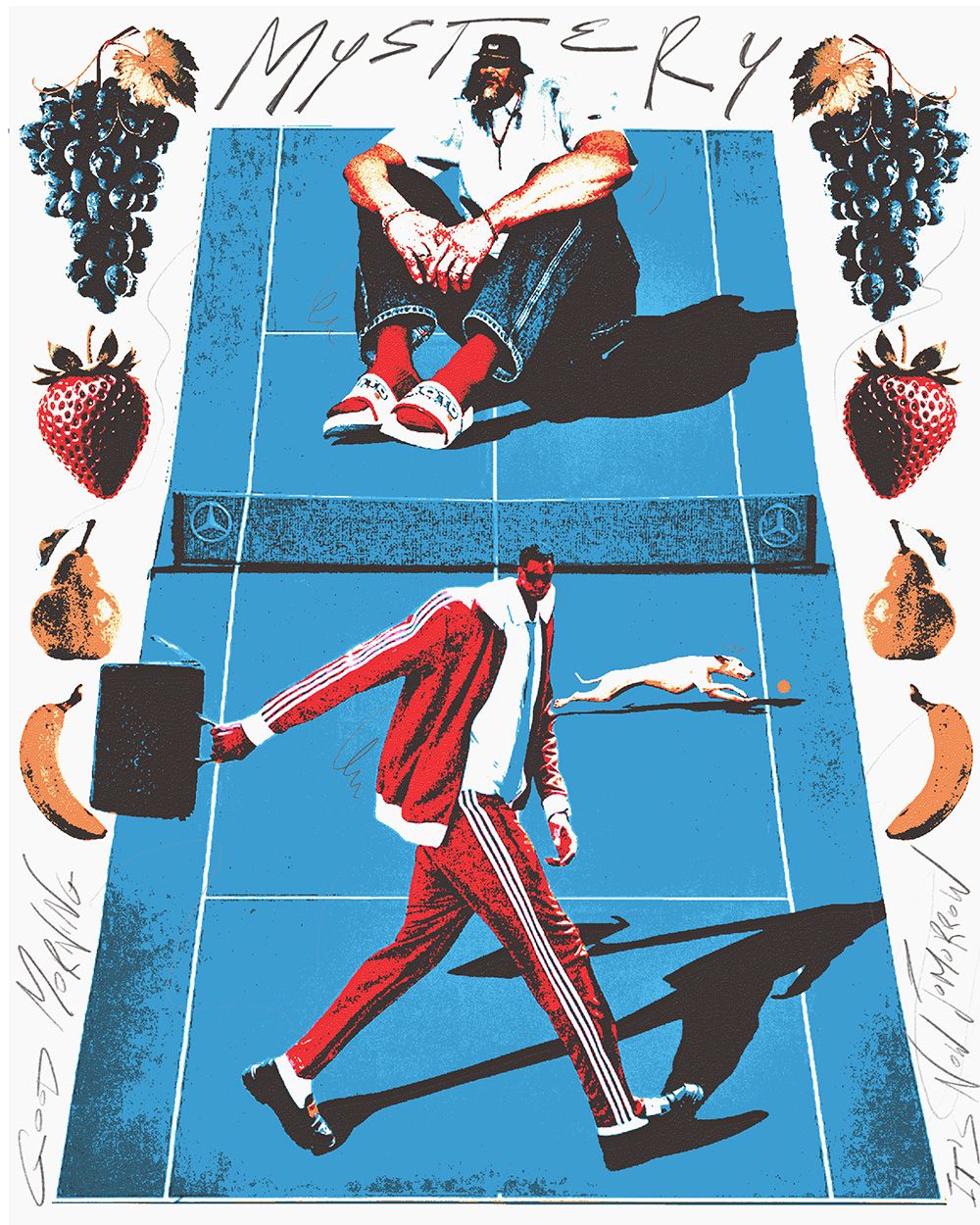
[Above: Cristian's work for The American Prospect 2026]
"I explored different techniques, compositions, textures, typography, and color until I slowly developed the collage style that has become my signature today. I became fascinated with taking ordinary objects and combining them in unexpected ways. I love playing with scale, perspective, and visual metaphors to create surreal scenes that invite people to stop, look closer, and hopefully smile."
Cristian MeraHis compositions are busy, but intentional. "I spend a lot of time asking myself, does this actually add to the story? If it doesn't, it goes." That instinct, he says, is pure design brain. Having started out in graphic design and marketing, he’s a natural problem solver. "I'm always thinking about communication, composition, hierarchy, color, and how someone's eye moves through the piece. The illustration isn't just meant to look cool. It has a job to do." Not coming from a traditional illustration background, he’s also been afforded the freedom of not knowing ‘the rules’; “I spent years experimenting on my own, making work that felt exciting to me without worrying whether it fit into a certain style or category. Looking back, I think that's how I found my voice.”
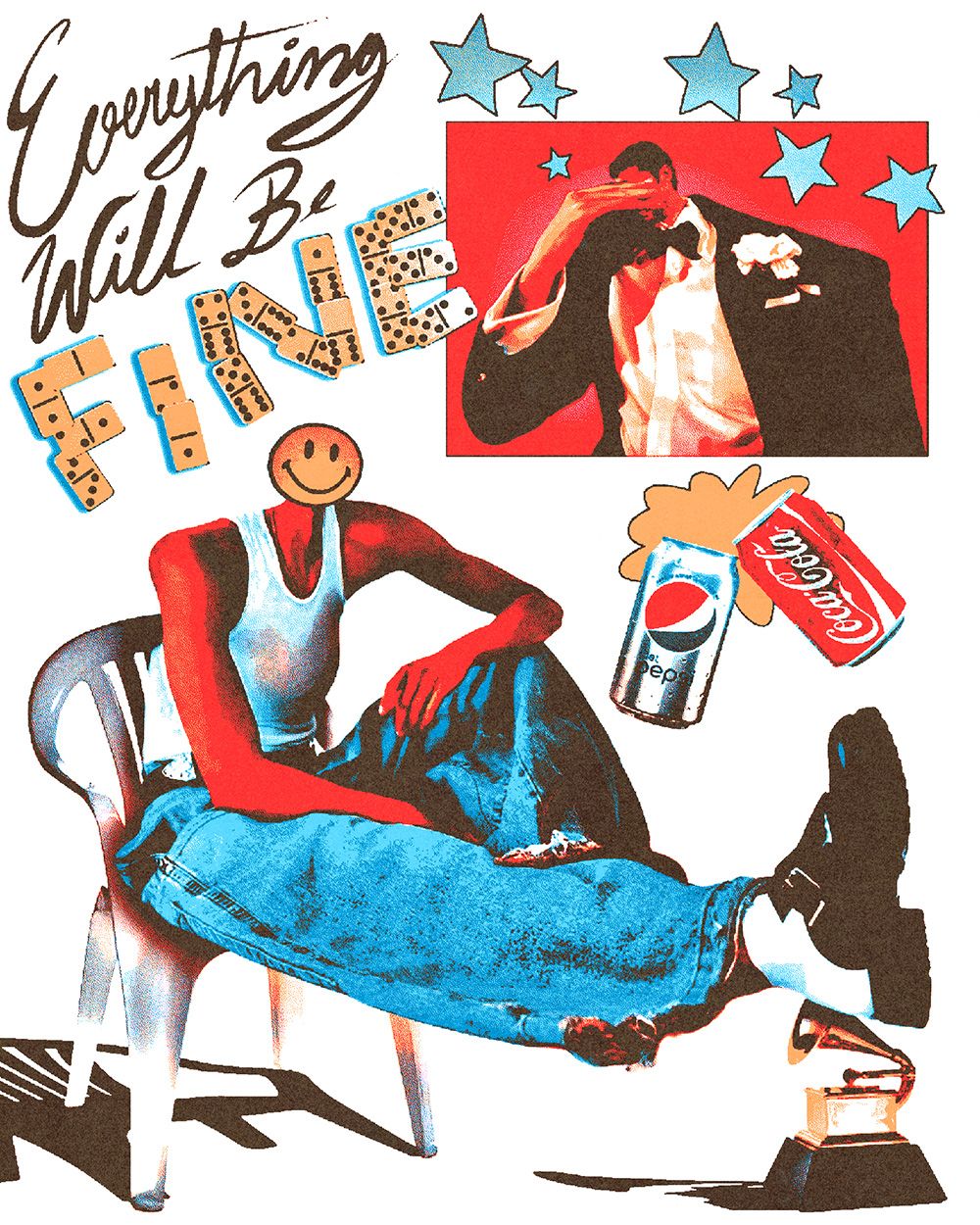
Texture is where Cristian's work really sets itself apart; grainy, blurred, printed, and tactile enough to touch. "Especially now, in the age of AI, so much imagery feels technically perfect. It's dull, and it lacks character. I actually enjoy the imperfections." He builds that analogue quality using layered textures, soft blur, and a dither effect that recreates images out of tiny dots, techniques picked up from hours of self-taught experimentation. "Their tutorials taught me the techniques, but more importantly, they encouraged me to keep experimenting until I found a process that felt like my own."
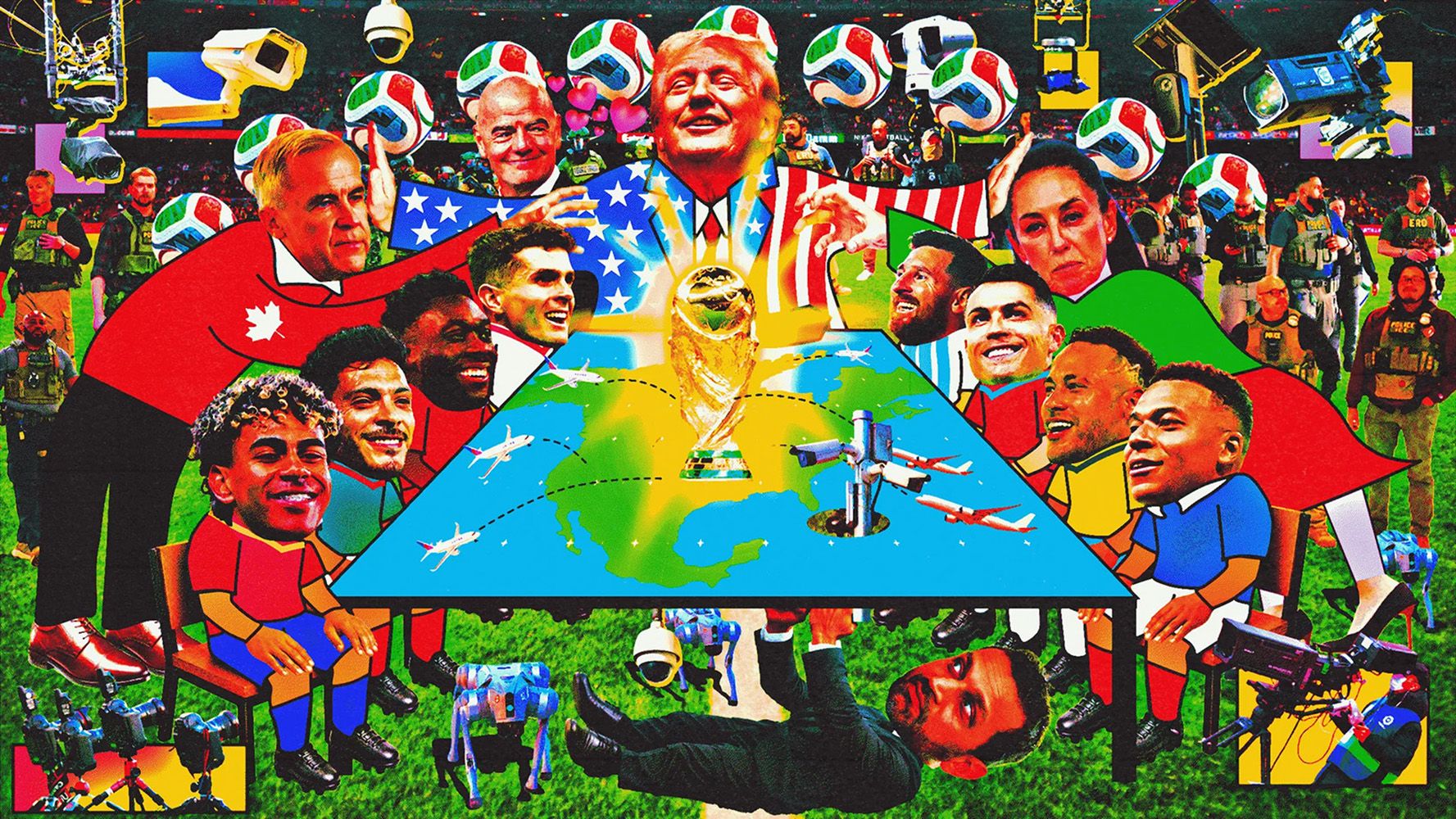
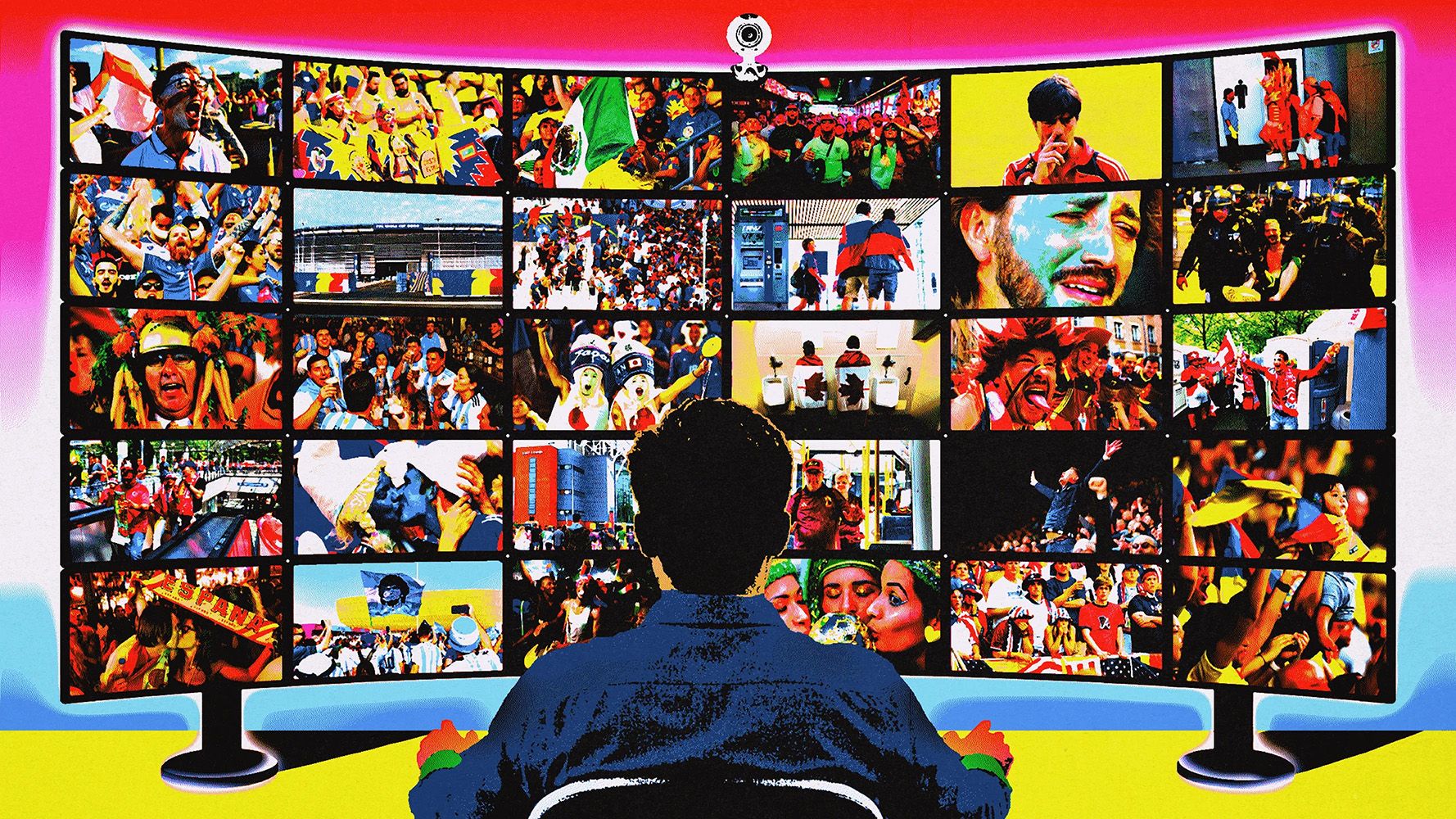
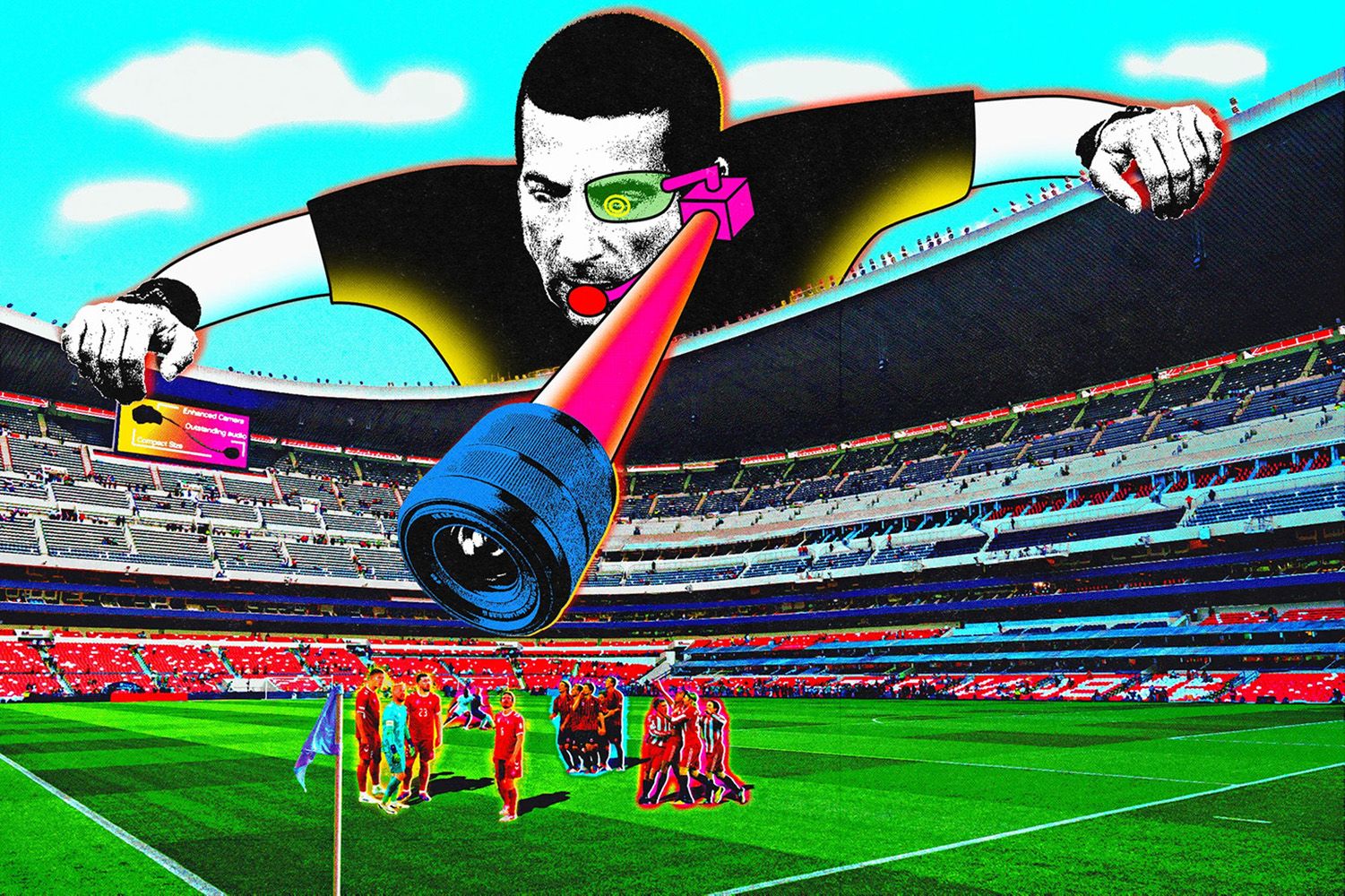
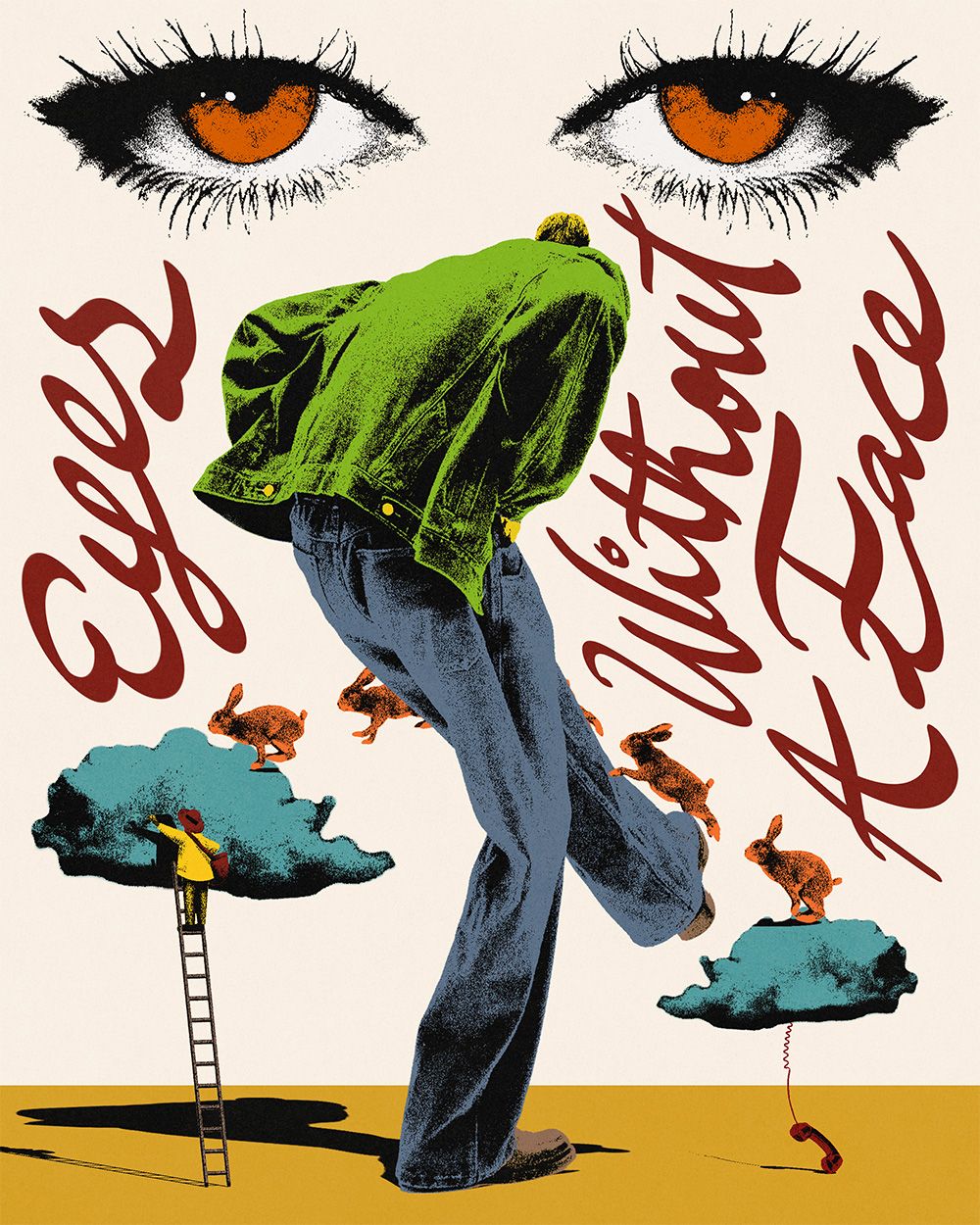
[Above: Cristian's 2026 work for WIRED's World Cup Series]
"I want my work to feel chaotic enough that people discover something new every time they look at it, but curated enough that it never feels overwhelming."
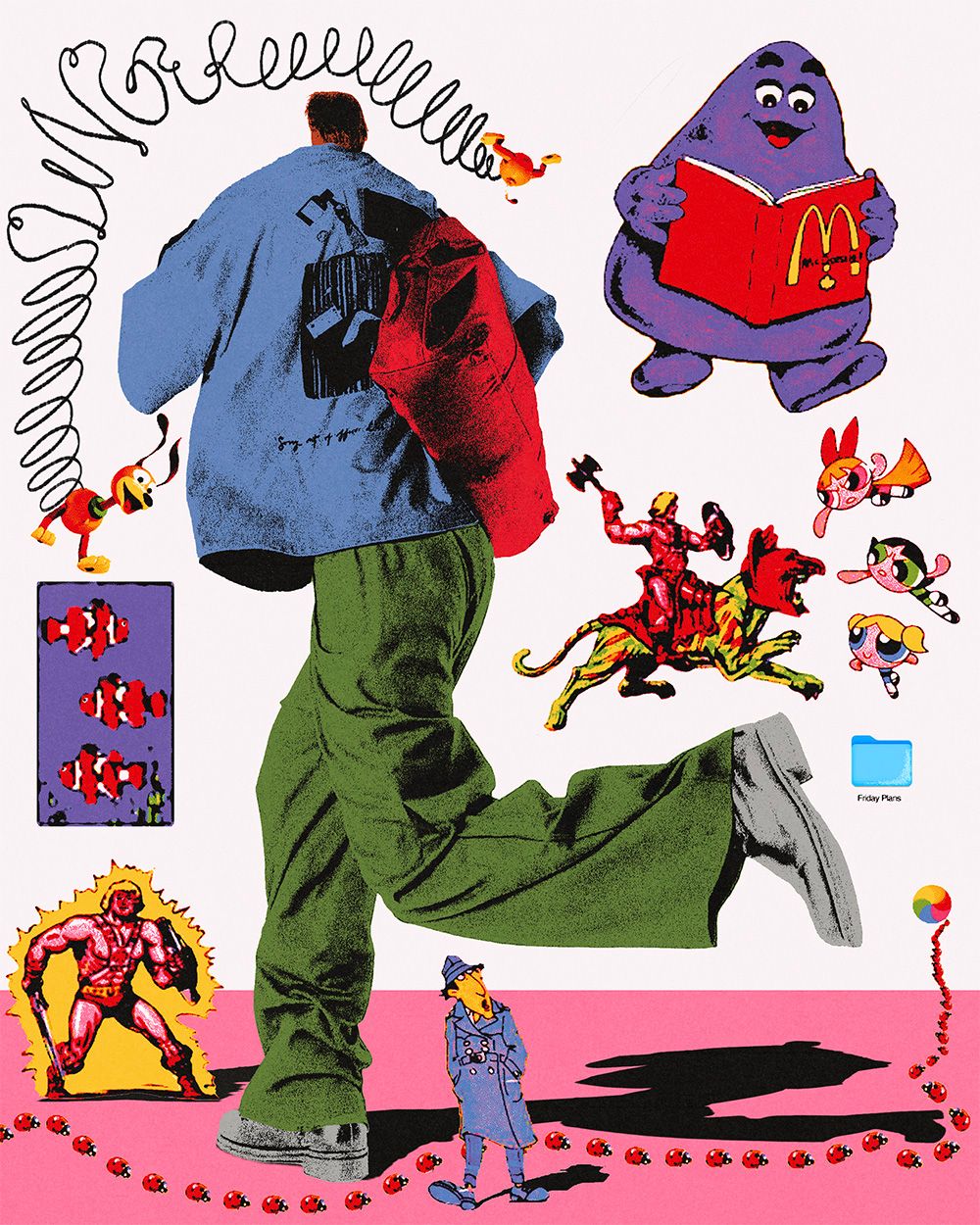
Cristian MeraColor is just as central, and just as personal. He's drawn to the loud, saturated palettes of early '90s and 2000s ads and cartoons, re-treated until they feel fresh again, and traces that inspiration back to growing up in Ecuador. "The streets, food, markets, clothing, signage, and celebrations all had this incredible energy to them. I don't think I realised how much that shaped me until I started making art."
Underneath the fun and chaos is a desire to hand people back a bit of the wonder they've misplaced. "As we get older, it's easy to lose touch with that childlike sense of wonder," he says. "Whether it's an old cartoon, a familiar object, a weird visual metaphor, or a color palette that reminds someone of their childhood, I want my work to spark an emotional connection." Humor matters just as much as nostalgia here. "I think making someone laugh or smile is one of the most powerful ways to create a lasting memory."
That need for real connection carries into how he works with clients, too. “Talking face to face helps me understand their personality, their excitement, and what they're really trying to say beyond the brief. I think that's the secret to creating work that feels authentic.” He believes the difference between a good working relationship and a great one comes down to connection. “A good relationship is built on communication, being responsive, and delivering great work. A great one happens when you let a bit of your personality come through and your client knows you're genuinely emotionally invested in their idea. At that point, it doesn't feel like you're working for them anymore. It feels like you're building something with them. I think breaking that barrier makes all the difference.”
"Through sharing my work online, I've been incredibly fortunate to collaborate with amazing clients, connect with talented people around the world, and build a career doing something I genuinely love. None of it feels guaranteed, and I never take those opportunities for granted."
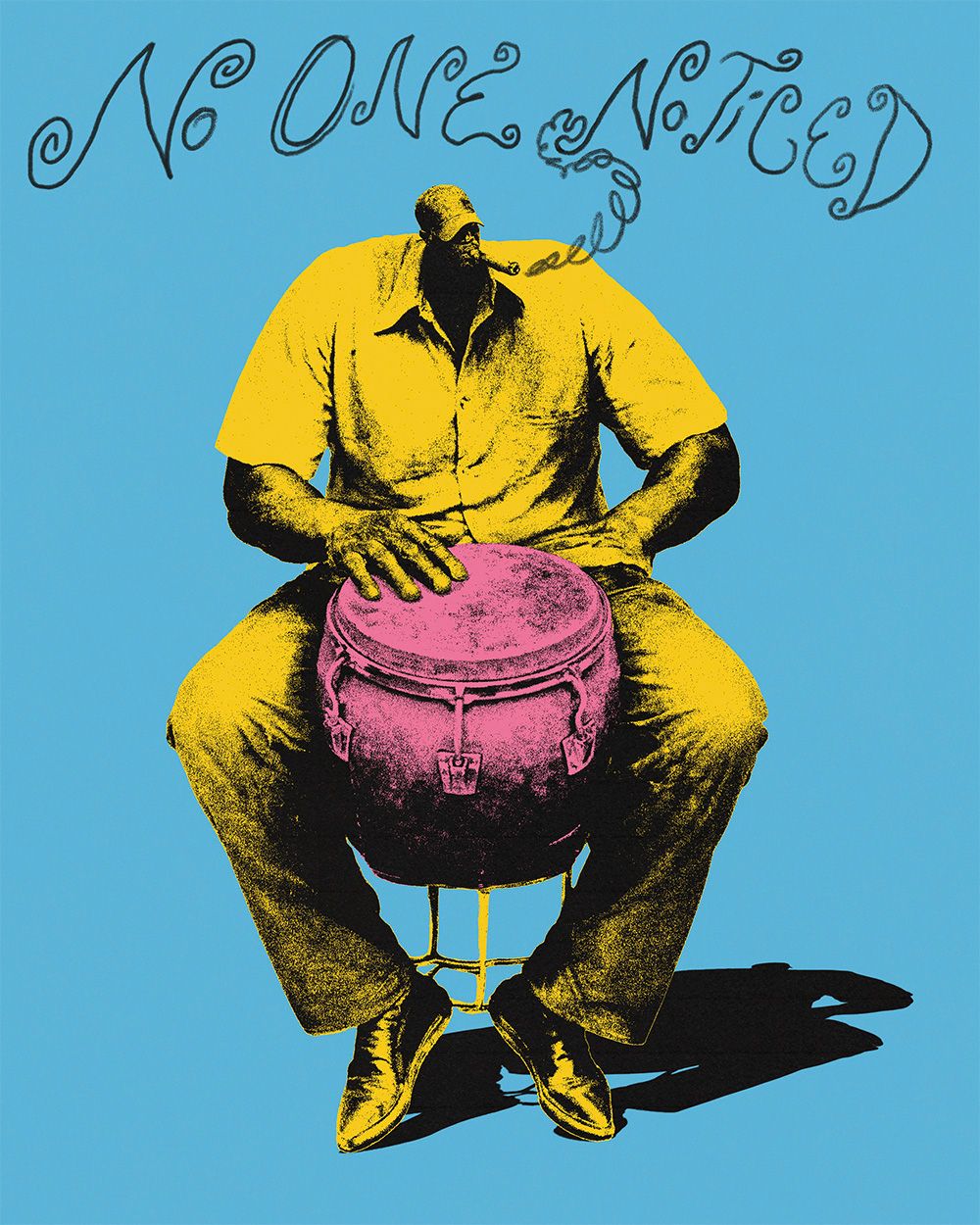
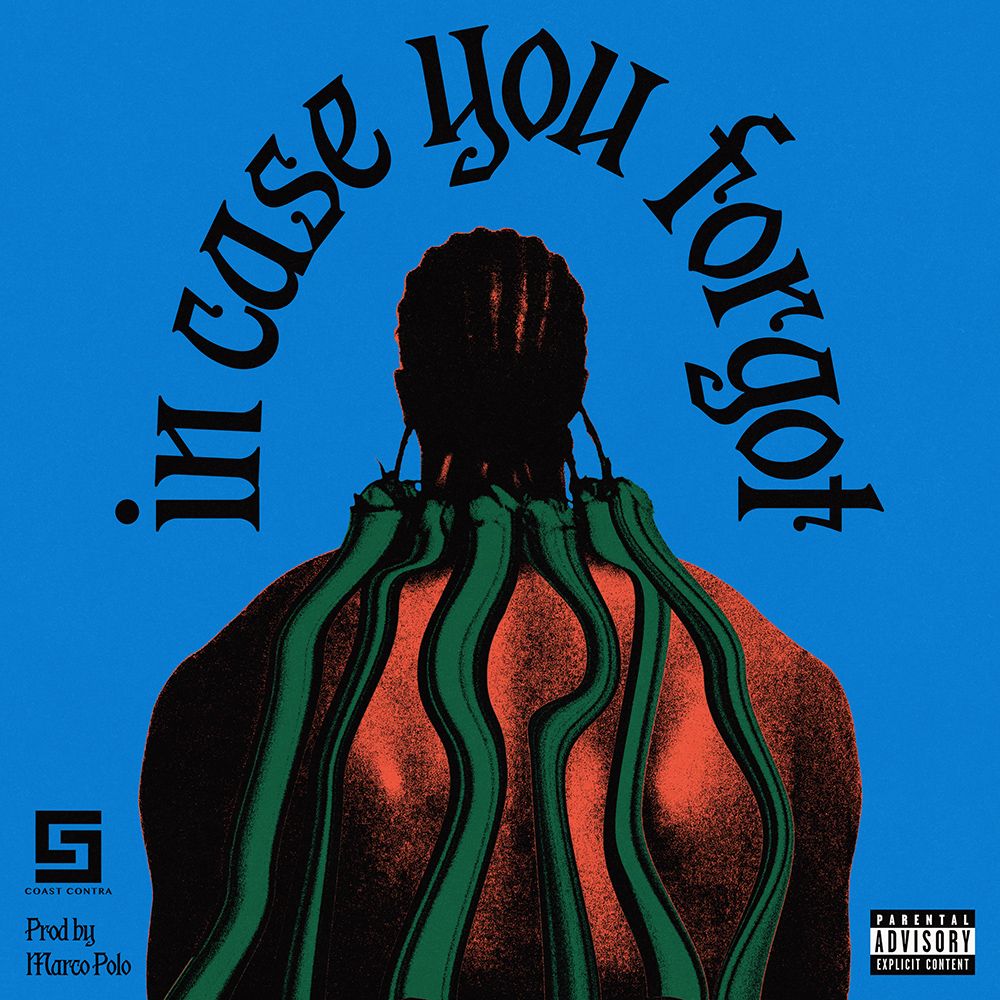
One project he keeps coming back to is his work for hip-hop group Coast Contra (above), which grew out of a chance discovery on TikTok into vinyl packaging, merch, posters and album art. "By the time I started making the artwork, it didn't feel like I was working for strangers anymore," he says. "It reminded me that the projects you remember most aren't always the biggest ones. They're the ones where you connect with the people behind them."
Next up, he's eyeing collaborations with brands such as Nike, Apple, Spotify and A24, alongside editorial work for the likes of The New Yorker and Vogue. But the goal, at its core, hasn't changed. "I want to collaborate with people who trust my perspective, continue pushing my style, and create stories that make people stop, smile, laugh, or reconnect with a part of themselves they might have forgotten."