Neil Stubbings on Joining the Visual Effects Society and Art Directors Club
Recently, director Neil Stubbings became a member at both the Visual Effects Society and the Art Directors Club. We caught up with him to find out how he got accepted into the most exclusive clubs in the industry, and what fuels his approach to character-driven storytelling.
You have recently been accepted as a member of Art Director's Club Switzerland and the very prestigious Visual Effects Society. What does this notoriety mean to you?
It's a real honour, particularly because both organisations represent communities of people whose work I have admired for years.
What means the most to me is not the recognition itself, but being accepted by peers whose standards are incredibly high. As someone who has spent much of his career working independently, often wearing multiple hats as designer, director and animator, it's rewarding to know that the work resonates beyond the projects themselves.
At the same time, I see it as motivation rather than a destination. The creative industries move quickly, and every project starts from zero. Memberships and awards are wonderful, but they don't solve the next brief. The work still has to do the talking.
The VES is a community of people who've solved problems, often for the first time ever. What's the hardest visual problem you've had to invent a solution to?
One project that stands out is Planet Eye for Vabysmo. We needed to explain a highly complex medical process taking place inside the human eye, while keeping it engaging, emotionally accessible and memorable.
The challenge wasn't simply visualising anatomy. It was creating an entire world as a metaphor that audiences could instantly understand. We transformed proteins, blood vessels and treatment mechanisms into characters, locations and story elements, essentially building a miniature ecosystem inside the eye.
The difficult part was balancing scientific accuracy with entertainment. If you become too technical, people switch off. If you're too playful, you lose credibility. Finding that middle ground required countless design, storytelling and animation decisions. It felt less like making an animation and more like designing a world with its own logic.
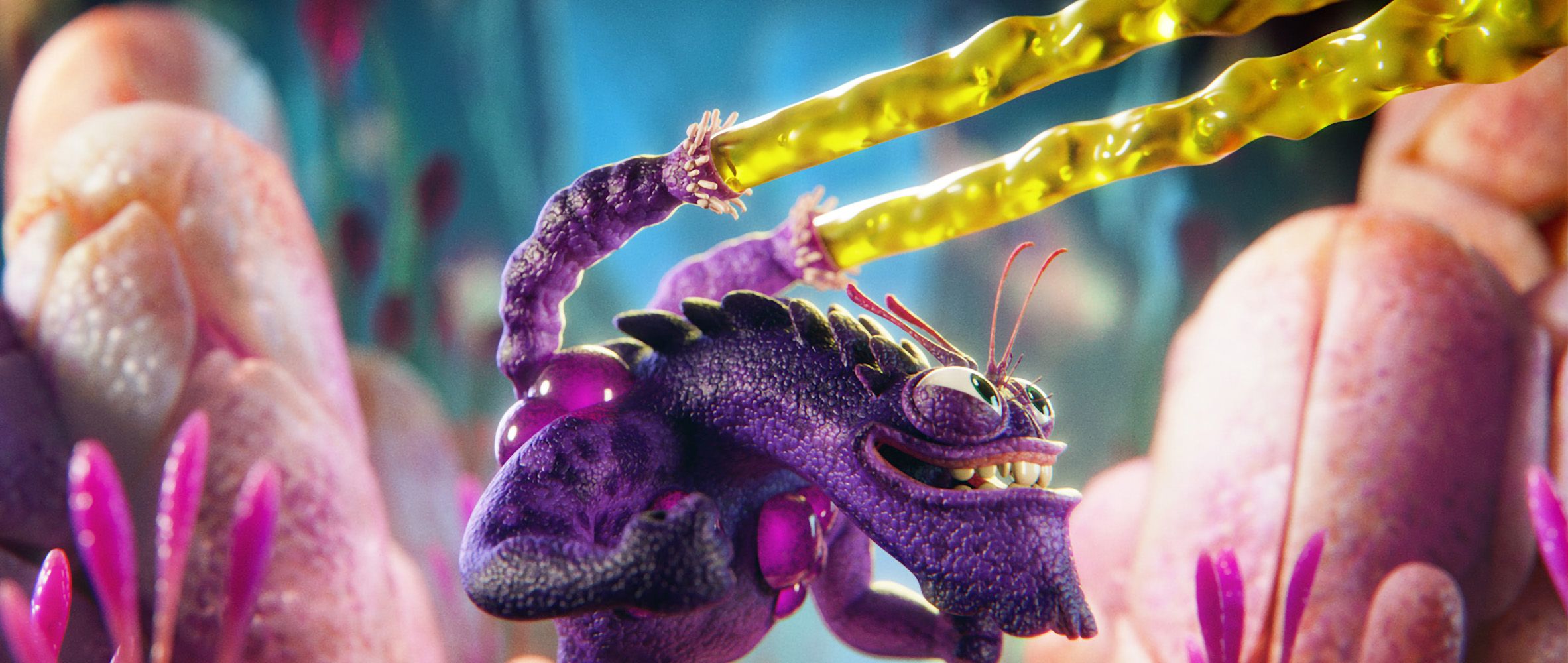
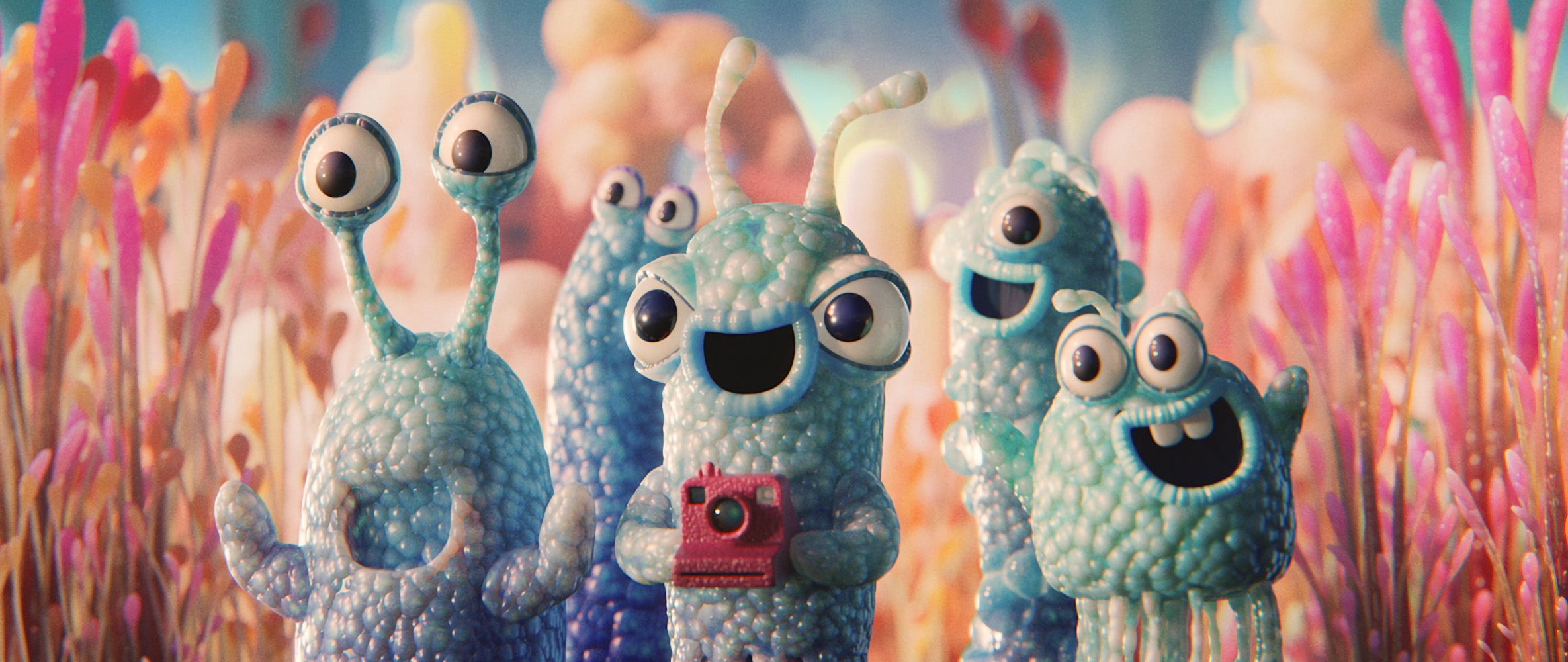


Above: Fantastical world-building for Vabysmo. See more.
Brands often want work that feels surprising but also safe. How do you hold those two things at the same time?
The safest thing a brand can do is often the thing that makes it invisible. Audiences are exposed to thousands of messages every day. If nothing stands out, nothing is remembered.
For me, the answer is to be bold in execution while remaining clear in communication. You can introduce unusual characters, unexpected worlds or unconventional humour, but the core message must remain simple and easy to understand.
People often remember the strange, emotional or funny parts. Brands remember whether the message landed. The trick is making both happen at the same time.
You recently worked with Vabysmo to create the surreal world of 'planet eye', filled with unique characters, that communicates the benefits of using their eye medication. Tell us about your approach to that project - and what your thinking was behind the creative choices you made?
The starting point was empathy. Most people don't think about what's happening inside their eyes, and medical communication can often feel distant or intimidating. I wanted to create a world that felt alive, curious and slightly surreal.
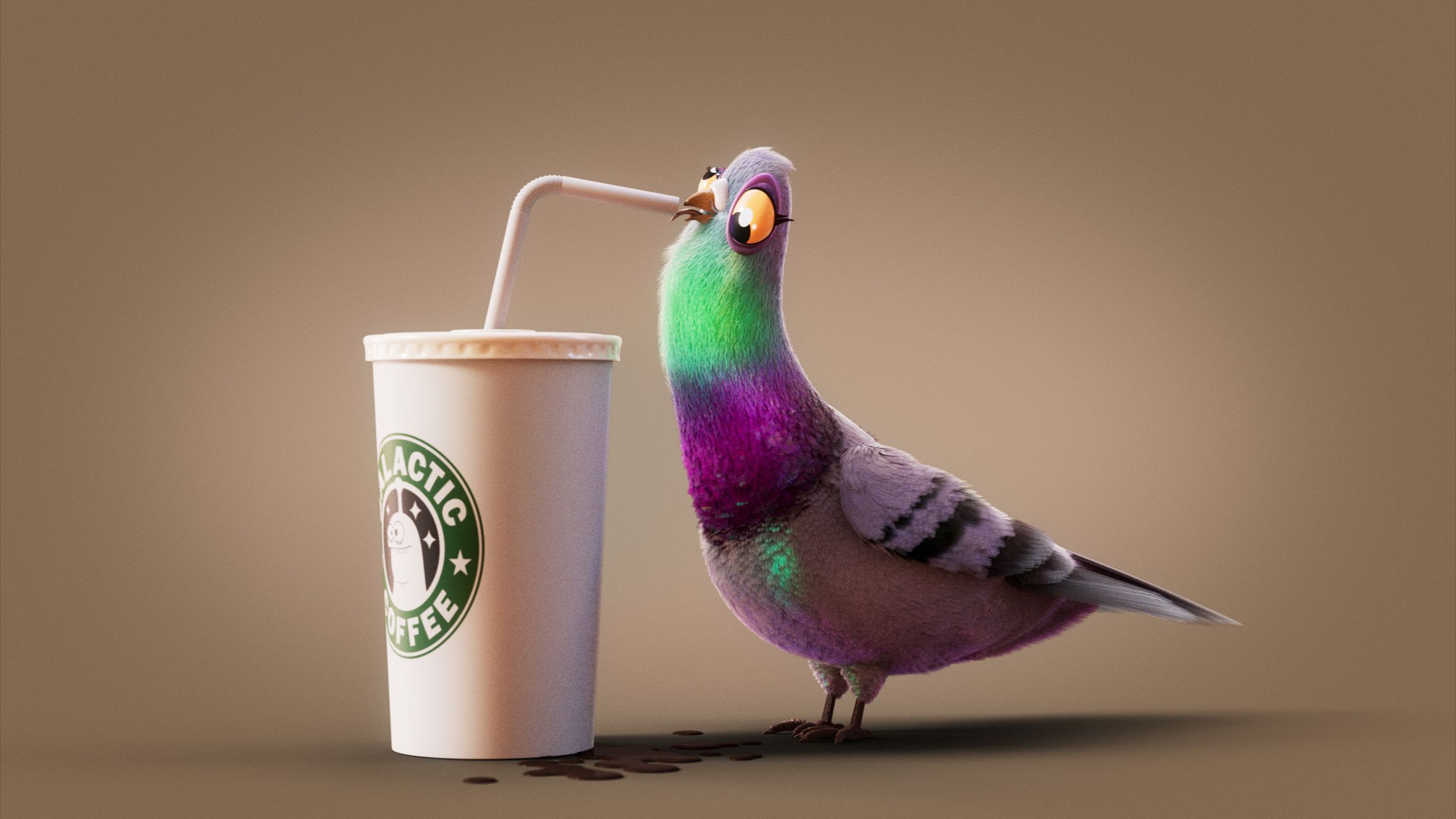
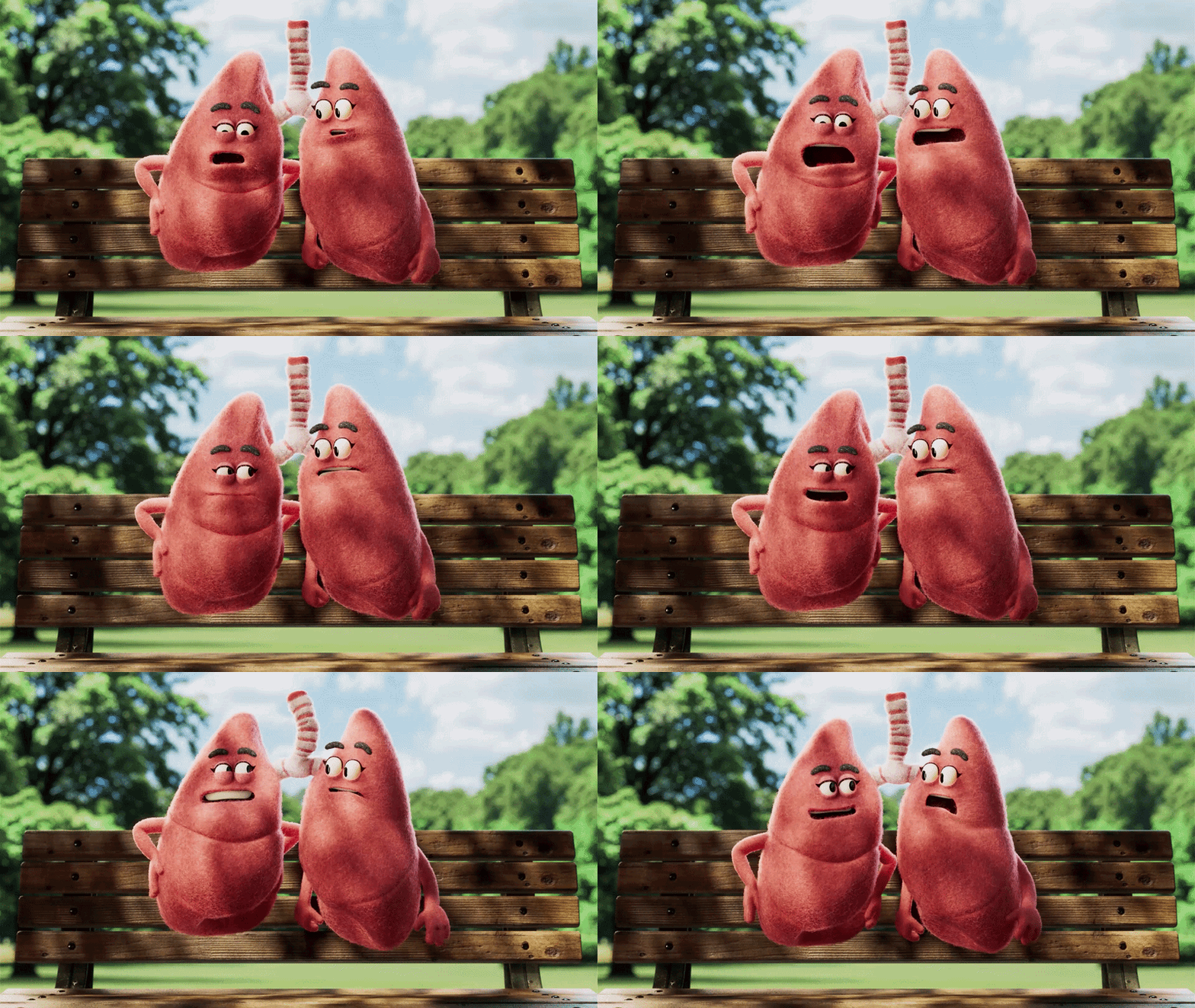
Every design choice served clarity. The proteins became characters with distinct personalities, the treatment became a hero figure, and the eye itself became a place people could emotionally connect with. If audiences care about the characters, they're far more likely to understand and remember the science.
You work across very different categories, industries and visual worlds. What stays consistent in how you approach a project, regardless of what it is?
No matter the category, I'm always looking for the human element. Even when the characters aren't human.
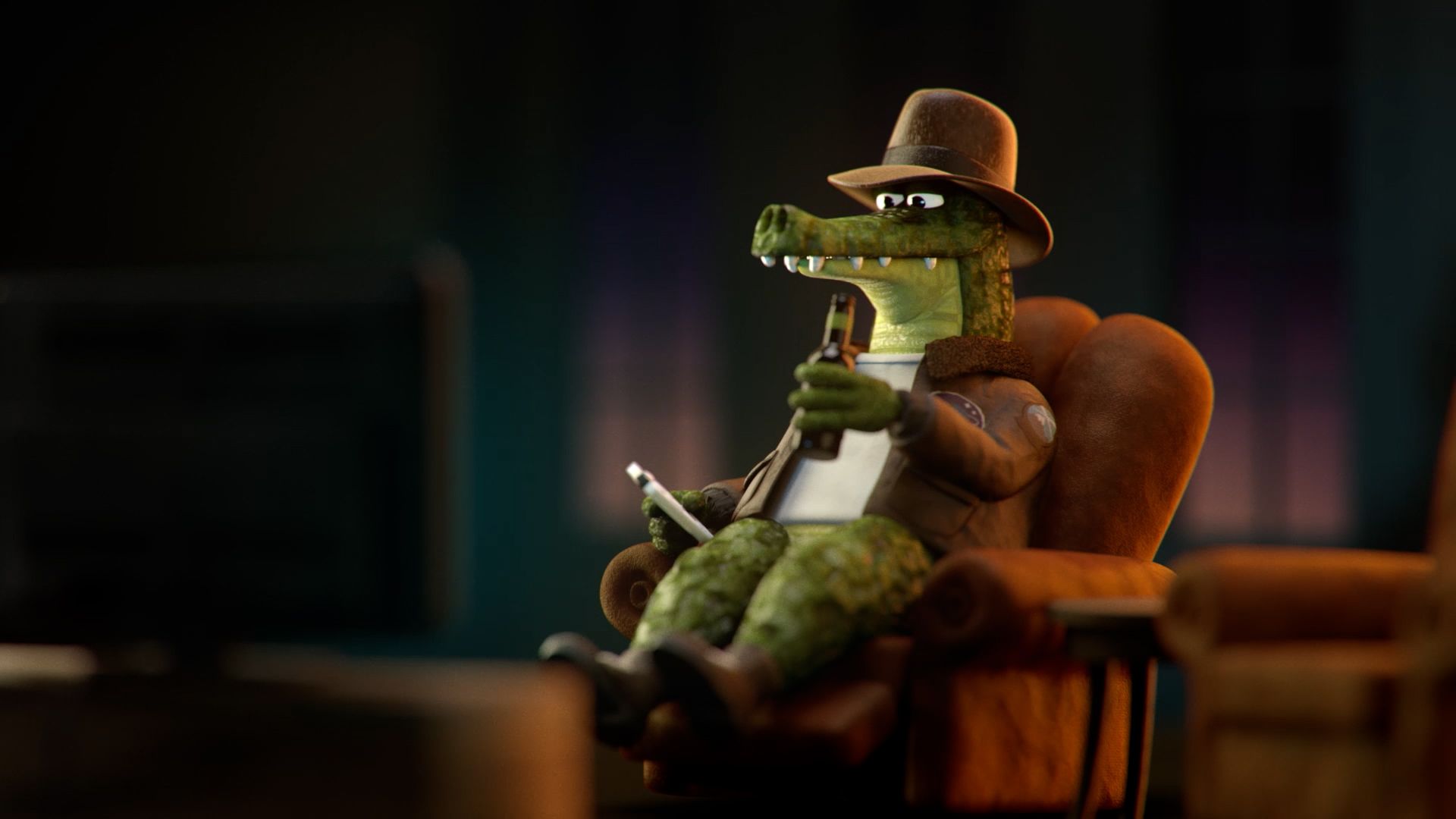
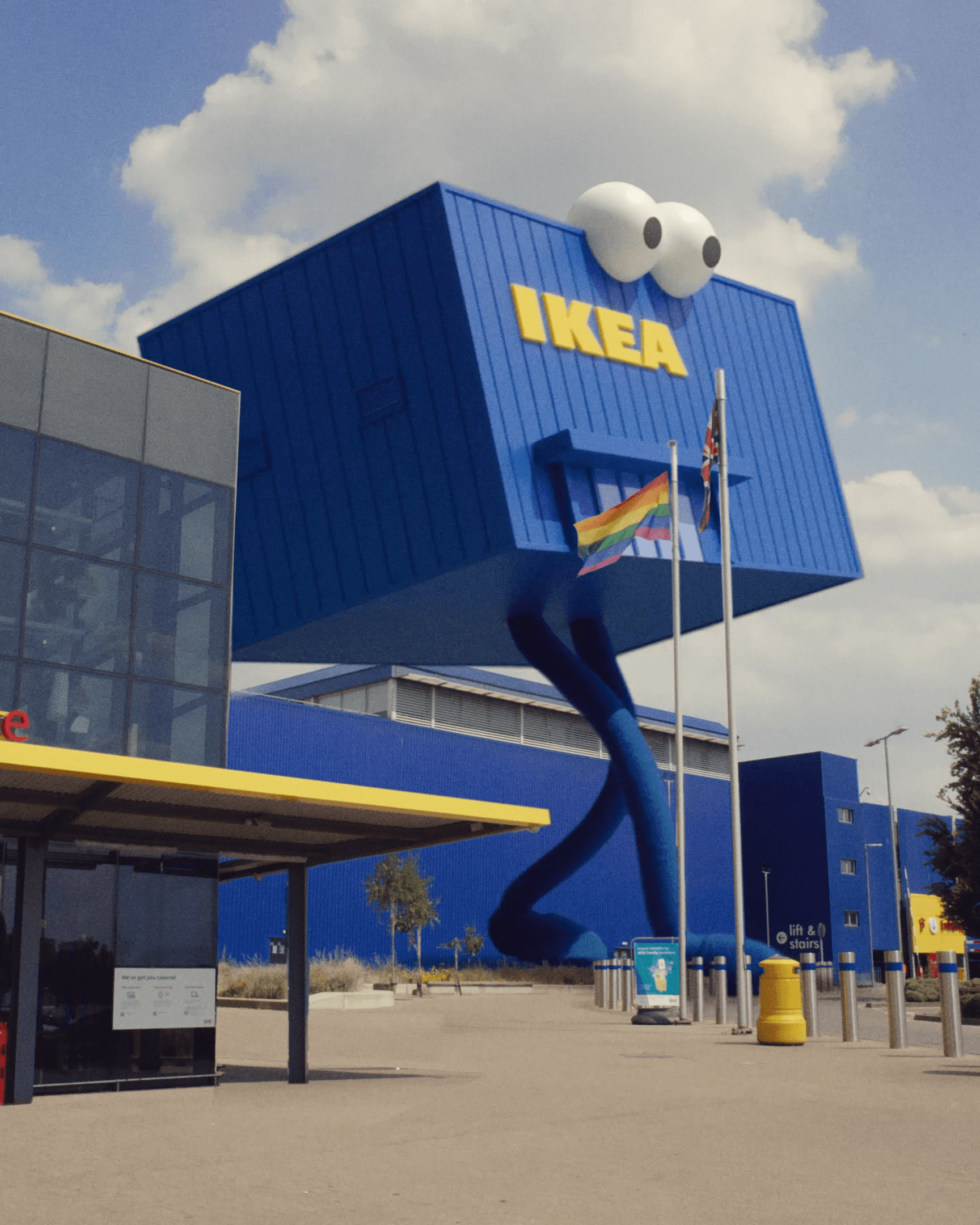
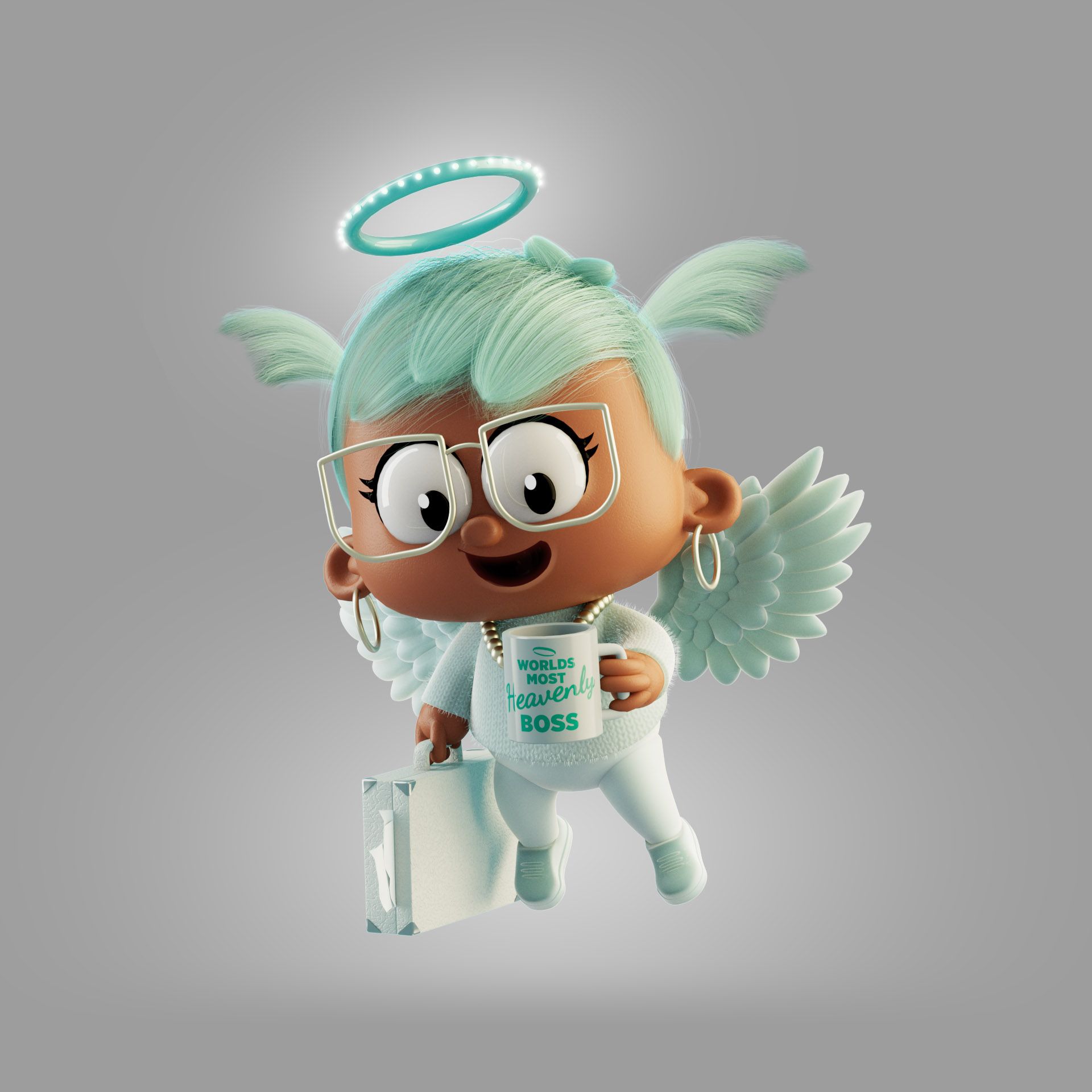
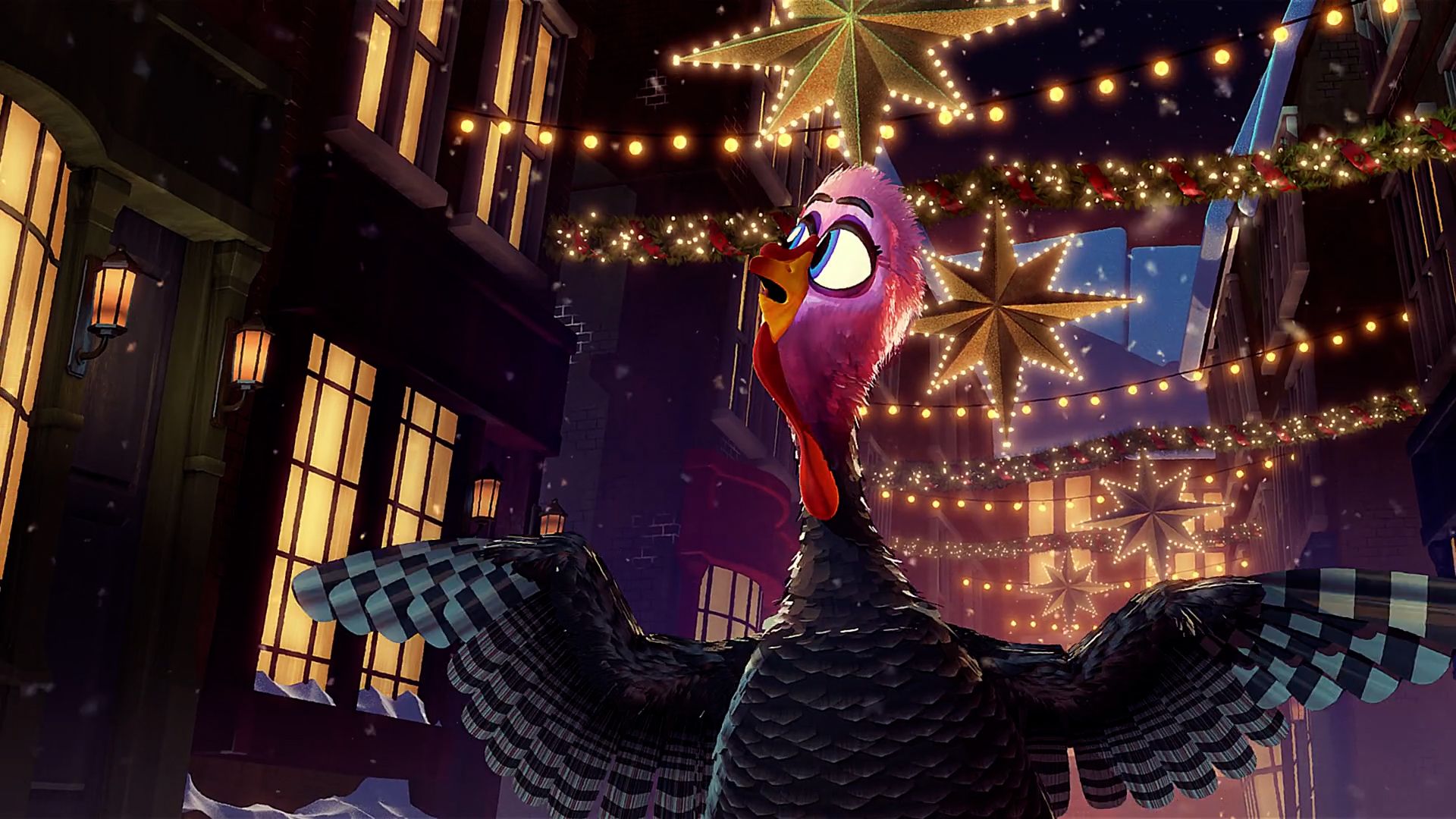
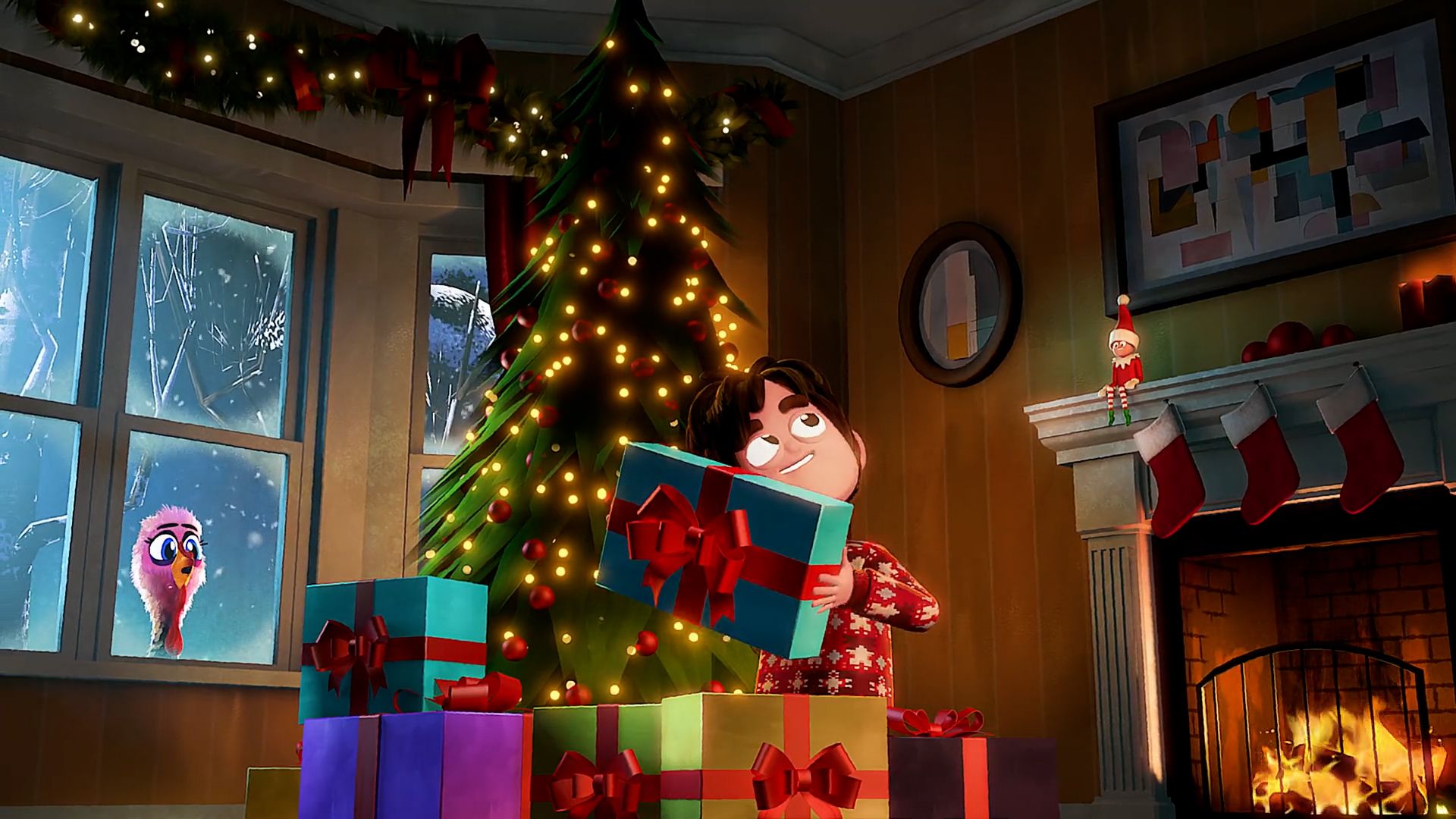
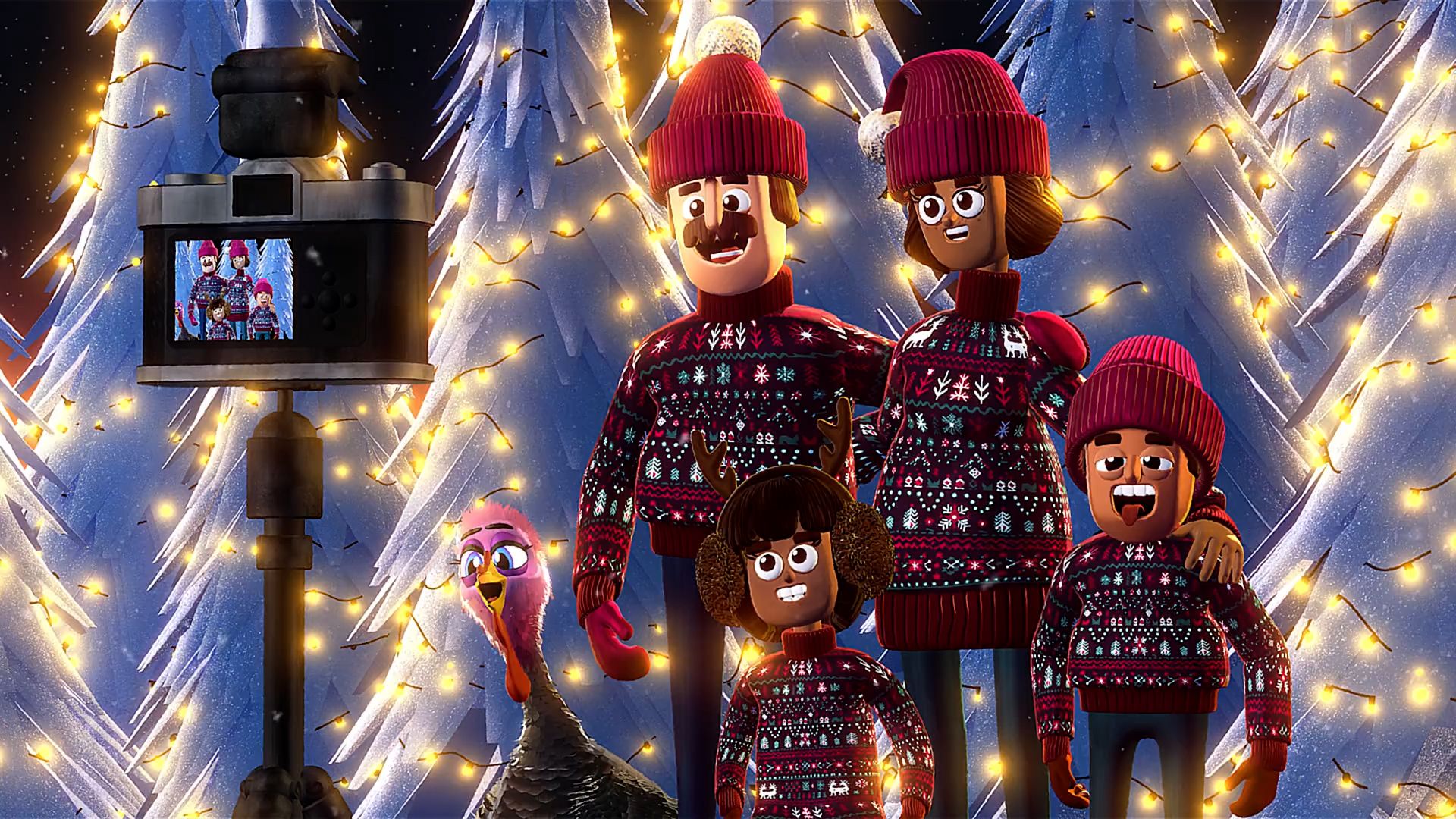
People connect with personalities, emotions and relationships far more than information alone. Whether I'm designing proteins inside an eye, a public safety mascot or a Christmas turkey, I'm really trying to create characters that make people care. Once they care, the message follows naturally.
What kind of brief gets you out of bed in the morning / makes your heart sing?
Anything that combines storytelling, character and world-building. And in the best case a sprinkle of odd humour.
I love briefs that trust the audience's imagination and allow me to create something that doesn't already exist. The moment a project asks me to build a new world, populate it with characters and make people care about them, I'm interested. If it's got humour I am invested!
What does a great client relationship look like to you?
Trust, honesty and a shared ambition to make the work better.
The best projects happen when clients see you as a creative partner rather than a supplier. That doesn't mean agreeing on everything. It means having open conversations, challenging ideas constructively and working toward the same goal.
How do you stay creatively sharp between projects?
Stay curious. Reality is often stranger than fiction, and everyday life can be incredibly inspiring if you look beyond the obvious. I love noticing small details, imagining the backstory behind people, places or objects, and asking "what if?" That's often where ideas begin.
That said, creativity isn't an endless tap. After an intense project, where you've poured months of blood, sweat and tears into every frame, I often experience a bit of a creative hangover. I've learned not to fight it. Travelling helps enormously. A change of scenery, different cultures and new experiences have a way of resetting my perspective and filling the creative tank again.
You're well known for your unique characters - How do you direct performance when the performer isn't human?
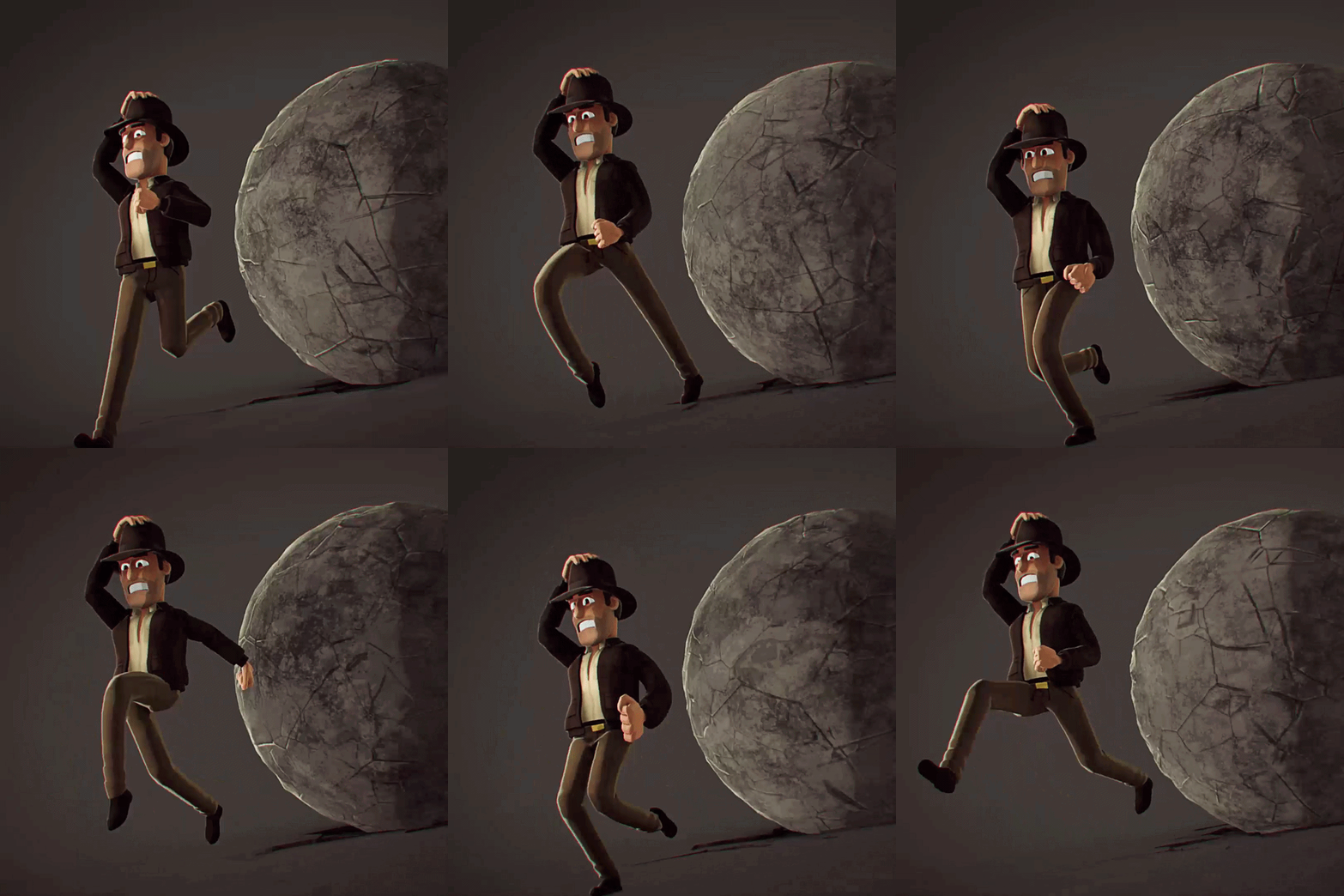
I treat animated characters exactly like actors. Before I think about movement, I think about motivation. I put myself in the character's shoes, think like they would think, and often act the scene out myself, just as a live action actor would.
It doesn't matter whether the performer is a human, a talking vegetable or a slimy blob. Every character wants something, fears something or reacts to something. My job is to understand those intentions first, then find the visual language that expresses them.
That's what makes animation more than movement. It's performance. A character doesn't need realistic anatomy to feel believable. Even a blob can communicate joy, fear or frustration through timing, rhythm and pose. The challenge, and the fun, is discovering how that particular character expresses emotion in a way that's unique to them.
After everything - the craft, the process, the problem-solving - what is it all actually in service of?
Storytelling.
All the technology, techniques and visual tricks are ultimately just tools. What matters is whether something makes people feel something, laugh, think, learn or remember.
The projects I'm proudest of aren't necessarily the most technically complex. They're the ones where audiences connect with a character, a moment or an idea. If that happens, everything else has done its job. If I can get a laugh out of the audience I am immensely satisfied!